
Anterior vs posterior hip replacement is one of the most common questions patients ask before surgery. The main difference is where the surgeon makes the incision and how the muscles and tissues around the hip are handled. Both approaches can produce excellent results, but each has distinct recovery patterns, risks, and benefits. This guide explains the differences in plain language so you can have a more productive conversation with your orthopedic surgeon.
Choosing an approach is not about finding the “best” one in general. It is about finding the one that best fits your anatomy, your health, your lifestyle, and your surgeon’s experience. Understanding the trade-offs helps you ask better questions and feel more confident about your plan.
What Anterior vs Posterior Hip Replacement Actually Means
Hip replacement surgery removes the damaged ball-and-socket joint and replaces it with artificial parts. The approach refers to the path the surgeon takes to reach the hip joint.
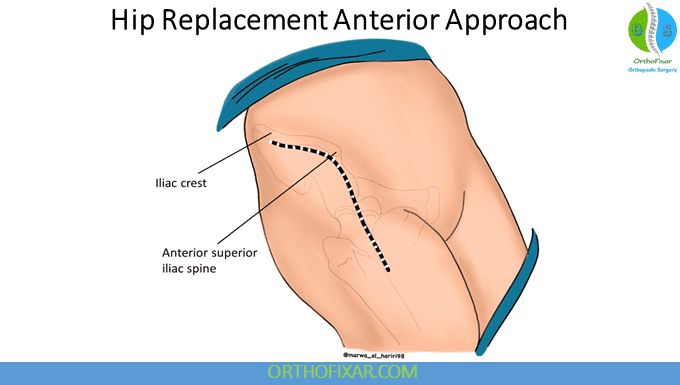
In an anterior approach, the surgeon enters from the front of the hip. In a posterior approach, the surgeon enters from the back or side of the hip. A third option, the lateral approach, enters from the side. Each route passes near different muscles, tendons, and nerves.
The Anterior Approach in Simple Terms
The anterior approach works between muscles rather than through them. Surgeons often describe this as a muscle-sparing technique because the major gluteal muscles at the back of the hip are not cut.
- Incision is usually on the front of the thigh near the hip crease.
- Important muscles for hip stability are left largely intact.
- Some surgeons use a special operating table and imaging during surgery.
- Commonly linked with a lower risk of certain dislocations.
The Posterior Approach in Simple Terms
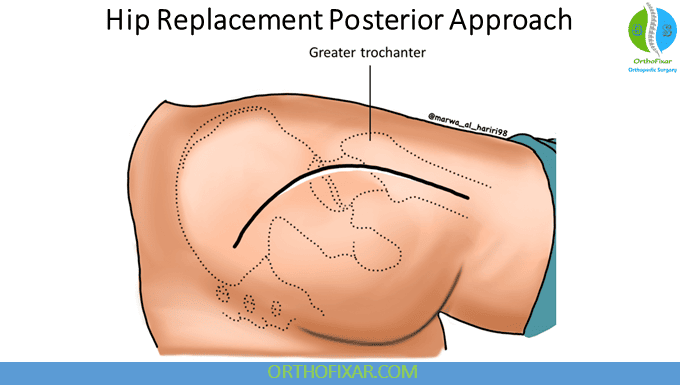
The posterior approach is the most widely used method worldwide and has a long, well-documented track record. The surgeon reaches the joint from the back of the hip.
- Incision is on the back or outer side of the hip.
- Some small muscles and tendons are separated to expose the joint.
- Surgeons repair these tissues carefully before closing the incision.
- Offers excellent visibility of the socket and femur for complex cases.
The approach is a tool, not a guarantee. The skill and experience of your surgical team often matter more than the name of the technique.
Key Differences Between Anterior and Posterior Hip Replacement
Patients usually want to know how the choice affects pain, recovery speed, and long-term function. The differences are real, but they are often smaller than marketing suggests.
Recovery and Early Mobility
Some studies suggest anterior approach patients may take shorter steps sooner and leave the hospital slightly earlier. However, the gap between approaches tends to shrink within a few months.
- Anterior: Often faster early walking and less need for a walker in the first weeks.
- Posterior: Slightly slower initial progress for some patients, but steady gains.
- Both: Formal physical therapy is the biggest driver of long-term recovery.
Dislocation Risk and Hip Precautions
Dislocation happens when the new ball slips out of the socket. The anterior approach may lower this risk because key stabilizing muscles are preserved. Posterior approach patients are sometimes given stricter movement precautions for the first several weeks.
- Anterior: Fewer bending and crossing restrictions in many cases.
- Posterior: May include avoiding deep hip flexion, crossing legs, or turning the foot inward.
- Both: Modern implants and surgical techniques have reduced dislocation rates overall.
Nerve and Tissue Considerations
The anterior approach passes near the lateral femoral cutaneous nerve. Irritation can cause temporary numbness or tingling on the outer thigh. The posterior approach can irritate the sciatic nerve in rare cases and may cause more early discomfort at the back of the hip.
- Anterior: Temporary thigh numbness is a known, usually self-limiting issue.
- Posterior: Short-term soreness in the buttock area is common.
- Both: Serious nerve injury is uncommon with experienced surgeons.
Who Tends to Be a Better Candidate for Each?
Body shape, previous surgery, and joint anatomy all influence the decision. Anterior surgery may be harder in patients with a large belly or very muscular thighs, while posterior surgery can be more challenging after certain prior hip operations.
- Anterior may suit patients who want fewer movement restrictions.
- Posterior may suit complex deformities, revision surgery, or posterior bone issues.
- Surgeon comfort and volume with a given approach often decide the final plan.
Side-by-Side Comparison Table
| Feature | Anterior Approach | Posterior Approach |
|---|---|---|
| Incision location | Front of the hip | Back or outer side of the hip |
| Muscle handling | Between muscles, muscle-sparing | Small muscles separated and repaired |
| Early walking | Often slightly faster | Generally steady, sometimes slower at first |
| Dislocation risk | May be lower | Low, with careful precautions |
| Movement restrictions | Usually fewer | Often stricter for several weeks |
| Surgeon familiarity | Growing but varies by region | Widely used and well established |
| Best for | Straightforward primary cases | Complex, revision, or difficult anatomy |
What Recovery Looks Like in Practice
Recovery timelines differ from person to person, but the general pattern is similar for both approaches. The first two weeks focus on wound care, swelling control, and safe walking. Weeks three to six bring more strength and confidence. Most patients notice major functional gains by three months.
First Two Weeks
- Use pain medication as prescribed and ice the area regularly.
- Walk short distances with your assistive device several times a day.
- Keep the incision clean and dry, following your care team’s instructions.
- Do gentle ankle pumps and breathing exercises to prevent complications.
Weeks Three to Six
- Gradually reduce reliance on the walker or cane as strength returns.
- Begin guided strengthening for the hip, thigh, and core.
- Return to light household tasks and short outings.
- Follow any movement precautions if you had posterior surgery.
Beyond Three Months
- Build endurance with walking, swimming, or cycling.
- Discuss return to sports, gardening, or manual work with your surgeon.
- Keep up strengthening exercises to protect the new joint.
- Attend follow-up visits even when you feel well.
Patients who follow their rehabilitation plan consistently usually report the best long-term satisfaction, regardless of which approach was used.
How to Choose With Your Surgeon
The right decision comes from an honest conversation, not from a single article or a friend’s experience. Ask your surgeon how many of each approach they perform and why they recommend one for you.
- Ask about their personal complication and revision rates.
- Share your goals, including sports, work, and travel plans.
- Mention prior hip, spine, or pelvic surgery.
- Discuss your home setup and how much help you will have.
- Ask what precautions you will need and for how long.
It also helps to ask whether a robotic-assisted or navigation system will be used. Technology can improve implant positioning, but it does not replace surgical judgment.
Common Myths Worth Clearing Up
Myth: Anterior Is Always Better
Anterior surgery has real advantages, but it is not automatically superior for every patient. Complex anatomy or revision cases may be safer through a posterior route.
Myth: Posterior Means a Long, Painful Recovery
With modern tissue repair and rehabilitation, many posterior approach patients recover very well and return to active lives.
Myth: The Approach Determines Everything
Implant choice, anesthesia, pain management, nutrition, and physical therapy all shape your outcome. The approach is one piece of a larger plan.
Conclusion
Anterior vs posterior hip replacement is a decision that depends on your body, your surgical history, your goals, and your surgeon’s expertise. The anterior approach may offer faster early mobility and fewer restrictions, while the posterior approach remains a reliable, versatile option with decades of proven results. Neither is universally better. Focus on choosing a skilled, experienced surgeon and committing fully to rehabilitation. That combination gives you the best chance of a smooth recovery and a hip that serves you well for years.
Frequently Asked Questions
Is anterior hip replacement less painful than posterior?
Some patients report less early pain with the anterior approach because major muscles are not cut. Others find the difference small. Pain varies widely based on individual factors, anesthesia, and pain management plans. Both approaches can be managed effectively with modern multimodal pain control.
How soon can I walk after surgery?
Many patients stand and take a few steps within hours of surgery, often with a walker or crutches. Walking progress depends on your strength, balance, and the anesthesia used. Your care team will guide you safely based on your condition.
Which approach has a lower dislocation risk?
The anterior approach is often associated with a lower dislocation risk because key posterior muscles stay intact. However, posterior dislocation rates are also low when tissues are repaired properly and precautions are followed.
Do I need hip precautions after posterior surgery?
Many surgeons recommend temporary precautions such as avoiding deep bending, crossing your legs, or turning your foot inward. These usually last several weeks. Your surgeon will give you specific instructions based on your implant and anatomy.
Can I choose the approach myself?
You can express a preference, but the final decision should be made with your surgeon. Their experience and your anatomy often determine which approach is safest and most effective for you.
Does the anterior approach leave a smaller scar?
Incision length varies by patient and surgeon, not strictly by approach. Both anterior and posterior procedures can be done with relatively small incisions. Scar size also depends on healing and skin type.
Is robotic surgery only for the anterior approach?
No. Robotic and navigation systems can support both anterior and posterior approaches. The technology helps with planning and implant positioning, but the surgical approach is a separate decision.
How long before I can drive again?
Driving usually resumes when you can control the pedals safely and no longer need strong pain medication. This often takes a few weeks. Always confirm with your surgeon before getting back behind the wheel.
Will I need physical therapy for either approach?
Yes. Physical therapy is important after both anterior and posterior hip replacement. A structured program helps restore strength, balance, and range of motion. Some patients also benefit from pre-surgery strengthening.
Which approach lasts longer?
Implant longevity depends mainly on the implant materials, your activity level, and your overall health. The surgical approach itself does not determine how long the replacement will last.