A hip fracture is more than just a broken bone; it is a major health event that affects how you walk, sleep, and live independently. It usually happens after a fall or a direct blow to the hip, and most patients need surgery. This guide explains the early symptoms, surgical choices, recovery steps, and possible complications so you know what to expect and how to prepare.
Understanding a Hip Fracture
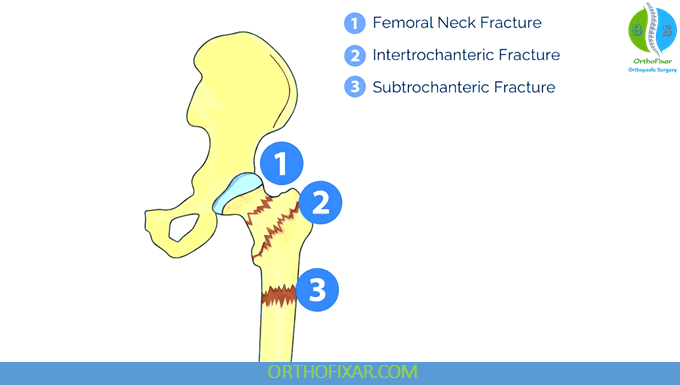
A hip fracture is a break in the upper part of the thigh bone (femur) that fits into the hip joint. The type of fracture depends on the exact location of the break, and that location helps your surgeon choose the best treatment.
- Femoral neck fracture: This break happens just below the ball of the hip joint. It often affects the blood supply to the bone, making it harder for the bone to heal naturally.
- Intertrochanteric fracture: This break happens lower down, between the two bony bumps at the top of the femur. It usually heals well with surgery because the blood supply is stronger.
- Subtrochanteric fracture: This is a break just below the trochanter area, often caused by high-energy trauma or weak bone.
Most hip fractures occur in older adults with osteoporosis, but younger people can also suffer this injury after a severe fall, a car accident, or a sports impact.
Early Symptoms of a Hip Fracture
The signs of a hip fracture are often obvious, but sometimes they are mild and easy to mistake for a bad bruise or muscle strain. If you or a loved one has any of these symptoms, treat them seriously.
- Severe pain in the hip or the groin that worsens when you try to put weight on that leg.
- Inability to stand or walk after a fall, even if your leg looks normal.
- Swelling, bruising, or tenderness around the hip or upper thigh.
- A leg that appears shorter or turns outward compared to the other leg.
- Stiffness or pain when moving the hip or while lifting your knee.
- Numbness or tingling in the foot or lower leg in some cases.
One common example: an older adult trips on a rug, feels mild hip pain, but insists they can still stand. A few hours later, the pain becomes unbearable and they cannot move the leg. This is a classic situation where a hairline fracture becomes a full break.
When to Seek Emergency Care
Do not wait at home to see if the pain goes away. A hip fracture can cause bleeding, blood clots, or pressure on nerves, and delay in treatment makes recovery harder.
- Go to the emergency department if you cannot bear weight on the injured leg.
- Seek immediate care if your leg looks deformed, shortened, or twisted.
- Call for an ambulance if you are alone, in pain, or unable to move safely.
- Do not try to drive yourself to the hospital.
- If you have a bone infection or had prior hip surgery, mention it to the emergency team.
“The best time to plan your recovery is before you leave the hospital. Ask about home help, safety devices, and what to do in the first week after surgery.”
At the emergency room, doctors will check your leg, order images, and start pain relief. They will also look for other injuries such as head trauma or a wrist fracture, which often happen in the same fall.
How a Hip Fracture Is Diagnosed
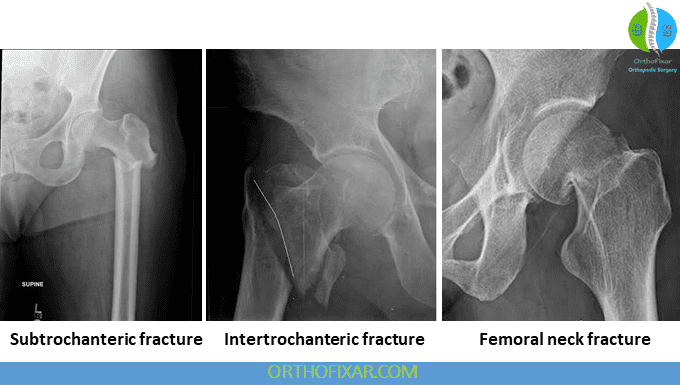
Doctors use imaging tests to confirm a hip fracture. The sooner they know the exact type and location, the sooner you can get the right surgical plan.
- X-ray: This is usually the first test. An X-ray shows most fractures clearly.
- MRI: If the X-ray is normal but you still have pain, an MRI can detect a stress fracture or a hidden break.
- CT scan: This provides a more detailed image of the bone and helps the surgeon plan complex fractures.
- Bone scan: Rarely used, but helpful when a fracture is very difficult to see.
Your doctor may also order blood tests and a heart tracing (ECG) before surgery to check your general health. This helps the whole care team prepare for anesthesia and the operation.
Surgery for Hip Fractures
Almost all hip fractures need surgery. The exception is a tiny hairline fracture in a person who cannot tolerate an operation, but even then, treatment focuses on pain control and very careful movement. The goal of surgery is to fix the bone or replace the damaged hip joint so you can stand and walk again safely.
- Internal fixation: The surgeon uses screws, pins, or a plate to hold the broken bone together while it heals. This is best for stable fractures with good blood supply.
- Hemiarthroplasty: The surgeon replaces only the ball portion of the hip joint, leaving the socket intact. This is often used for displaced femoral neck fractures in older adults.
- Total hip replacement: Both the ball and the socket are replaced with artificial parts. This is recommended when the joint is already damaged by arthritis or the fracture is severe.
| Surgery Type | Best For | What It Does |
|---|---|---|
| Internal fixation | Stable fractures, better bone quality | Holds the bone in place with screws or a plate |
| Hemiarthroplasty | Femoral neck fractures in older adults | Replaces only the femoral head |
| Total hip replacement | Severe fractures with joint damage or arthritis | Replaces both the ball and socket |
Your surgeon will choose the approach based on your age, bone quality, how active you were before the injury, and the exact shape of the break. The operation itself usually takes about one to two hours, and many patients are able to sit or stand with help the next day.
Recovery and Rehabilitation
Recovery from a hip fracture is a process, not a single event. The first few days after surgery are about pain control and starting to move. After that, physical therapy becomes the core of your daily plan.
- Day 1–2: You will be encouraged to sit up in bed, cough, and do gentle breathing exercises. A physical therapist may help you stand at the bedside with a walker.
- Day 3–5: You usually start walking short distances. Weight-bearing depends on the type of surgery and whether the fracture was fixed or replaced.
- Week 1–2: Most patients transfer to a rehabilitation unit or go home with in-home therapy. You will learn how to go up and down stairs, get in and out of a car, and use the toilet safely.
- Month 1–3: You gradually increase walking time, strength, and balance exercises. Many people need a cane or walker for several weeks.
- Month 6 onward: Full recovery can take up to a year, especially for older patients. Some long-term loss of speed or stamina is possible, but most people regain independence.
“Most hip fracture patients can start standing with support within a day after surgery, but every person moves at their own pace.”
Practical example: If you live alone, you may need help with cooking, bathing, and dressing for the first two to four weeks. Arranging this support before you come home makes a huge difference. Simple home changes like removing loose rugs, installing grab bars in the bathroom, and raising the height of your bed or chair can prevent another fall.
Complications to Watch For
Any surgery carries risks, and a hip fracture itself can lead to serious medical issues. Knowing what to look for helps you catch problems early.
- Blood clots: Clots in the leg veins (DVT) or lungs (PE) are the most feared complication. Leg swelling, chest pain, or sudden shortness of breath need immediate attention.
- Infection: Wound infection can cause redness, warmth, discharge, or fever. Deeper joint infections may require another surgery.
- Bone displacement or failure to heal: Sometimes the fracture shifts, or the bone does not unite. This may cause persistent pain and require revision surgery.
- Pneumonia: Bed rest and poor deep breathing can lead to lung infections. This is why early movement is so important.
- Pressure sores: Staying in one position too long can break down the skin. Repositioning every two hours and using special mattresses reduce this risk.
- Implant problems: Screws or prosthetic components may loosen over time or cause irritation.
- Delirium: Older adults sometimes become confused or agitated after surgery and anesthesia. This usually improves with time, but it can slow recovery.
Your care team will give you anticoagulant medication and compression boots to lower the risk of blood clots. Always report new or worsening symptoms, even if they seem minor.
Preventing Another Hip Fracture
After one hip fracture, the risk of a second fracture increases. The goal is to strengthen your bones, improve your balance, and make your home safer.
- Bone health: Ask your doctor about vitamin D, calcium, and medications for osteoporosis. A bone density test can show where you stand.
- Exercise: Weight-bearing exercises and balance training from a physical therapist can improve your strength and coordination.
- Vision check: Poor eyesight causes many falls. Make sure your glasses prescription is current.
- Medication review: Some blood pressure, sleep, or pain medications make you dizzy. Ask your doctor if any of yours can be adjusted.
- Home fall-proofing: Secure railings on stairs, brighten hallways, and keep walking paths clear of cords, shoes, and clutter.
- Hip protectors: Padded undergarments can help absorb the impact of a fall, though they are not foolproof.
Example: A patient who broke their hip after tripping over a pet may need to keep pets out of the main walking area at night. These small changes reduce the odds of another serious fall.
Long-Term Outlook and Everyday Tips
With proper surgery and rehabilitation, most people return to walking and living at home. The exact outcome depends on age, frailty, and how quickly you started moving after surgery.
- Manage pain with a routine schedule, not just “when it hurts.”
- Set small, daily walking goals with your physical therapist.
- Use a walking aid until your doctor or therapist advises otherwise.
- Keep regular follow-up appointments for X-rays and bone health checks.
- Ask about a home care agency if you need extra support during the first weeks.
One important point: do not skip rehab exercises. Even a little extra movement each day prevents stiffness, muscle loss, and new falls. At the same time, be patient with yourself. It is normal to feel frustrated, tired, or nervous about moving.
In summary, a hip fracture is serious, but it is treatable. Knowing the symptoms, getting to the hospital quickly, choosing the right surgery, and staying committed to rehabilitation give you the best chance of regaining your mobility and independence.
Frequently Asked Questions
Here are answers to common questions patients ask after a hip fracture diagnosis.
How long does it take to walk again after a hip fracture?
Many patients take their first steps with a walker within 24 hours after surgery. Walking without assistance usually takes 6 to 12 weeks, but some people need longer. Follow your physical therapist’s guidance.
Can a hip fracture heal without surgery?
Rarely, a very small and stable fracture in a person who is too weak for surgery may heal with strict bed rest. Still, the risk of bedrest complications is high, so surgery is almost always the recommended option.
How long do you stay in the hospital after hip fracture surgery?
Most patients stay 3 to 7 days. The length depends on your age, overall health, how well you can move, and whether you have a safe place to go after discharge.
Do you need a replacement if you break your hip?
Not always. If the fracture is stable and has good blood supply, the surgeon may fix it with screws or a plate. Hemiarthroplasty or total hip replacement is needed when the blood supply is poor or the joint is severely damaged.
Is physical therapy really necessary after a hip fracture?
Yes. Physical therapy is part of the treatment itself, not just a suggestion. It helps you safely regain strength, balance, and range of motion. Without it, you are more likely to lose mobility or fall again.
What can I do to keep from falling again at home?
Remove loose rugs, use grab bars in the bathroom, keep floors clutter-free, and use nightlights. A physical therapist can also teach you balance exercises and safe ways to stand up from a chair or bed.
How long is full recovery from a hip fracture?
A rough timeline is 6 to 12 months for most patients. While many people return to normal activities, some residual stiffness or weakness may last. Older or frailer patients may need ongoing support.
What are the signs of a blood clot after hip surgery?
Watch for swelling, warmth, or pain in one calf or thigh, and especially sudden chest pain, rapid breathing, or coughing up blood. These can be signs of a blood clot and need urgent medical care.
Is it okay to sleep on the side where I had hip surgery?
It depends on the type