Gout is a common and potentially debilitating form of inflammatory arthritis caused by the accumulation of uric acid crystals within joints and surrounding tissues. Historically known as the “disease of kings” due to its association with rich diets, gout is now recognized as a widespread metabolic disorder affecting millions of people worldwide.
The condition is characterized by sudden episodes of severe joint pain, swelling, redness, and tenderness. Without proper management, gout disease can progress to chronic joint damage, disability, kidney stones, and the development of tophi. Fortunately, modern treatment strategies can effectively control symptoms and prevent long-term complications.
What is Gout?
Gout is an inflammatory arthritis caused by the deposition of uric acid crystals (monosodium urate crystals) in joints and soft tissues. These crystals form when blood levels of uric acid become elevated, a condition known as hyperuricemia.
Uric acid is a natural waste product produced during the breakdown of purines, substances found in human cells and certain foods. When the body produces too much uric acid or fails to eliminate enough through the kidneys, crystals can accumulate and trigger painful inflammatory responses.
Epidemiology of Gout Disease
Gout is one of the most common forms of inflammatory arthritis globally.
Key epidemiological facts include:
- More common in men than women.
- Prevalence increases with age.
- Postmenopausal women have a higher risk due to declining estrogen levels.
- Obesity, hypertension, chronic kidney disease, and metabolic syndrome significantly increase risk.
- The global prevalence of gout has risen steadily due to lifestyle changes, increasing obesity rates, and aging populations.
Causes and Risk Factors
Hyperuricemia
The primary cause of gout disease is hyperuricemia, where serum uric acid levels exceed the body’s capacity to keep urate dissolved.
Genetic Factors
Research shows that genetics significantly influence uric acid metabolism. Variants in genes regulating kidney urate transport can increase susceptibility.
Dietary Factors
Foods rich in purines may contribute to elevated uric acid levels, including:
- Red meat
- Organ meats
- Shellfish
- Certain fish (sardines, anchovies)
- Alcohol, particularly beer
- Sugar-sweetened beverages containing fructose
Medical Conditions
Several health conditions increase the risk of gout:
- Chronic kidney disease
- Hypertension
- Diabetes mellitus
- Obesity
- Metabolic syndrome
- Cardiovascular disease
Medications
Certain medications can raise uric acid levels:
- Thiazide diuretics
- Loop diuretics
- Low-dose aspirin
- Cyclosporine
- Tacrolimus
Pathophysiology: How Uric Acid Crystals Cause Gout
The development of gout occurs through several stages:
Hyperuricemia
Elevated blood uric acid concentrations create a supersaturated environment.
Crystal Formation
Excess uric acid precipitates as uric acid crystals within joints and tissues.
Inflammatory Response
Immune cells recognize the crystals as foreign particles and activate inflammatory pathways, including the NLRP3 inflammasome.
Acute Gout Attack
Inflammation results in:
- Severe pain
- Swelling
- Redness
- Warmth
- Functional impairment
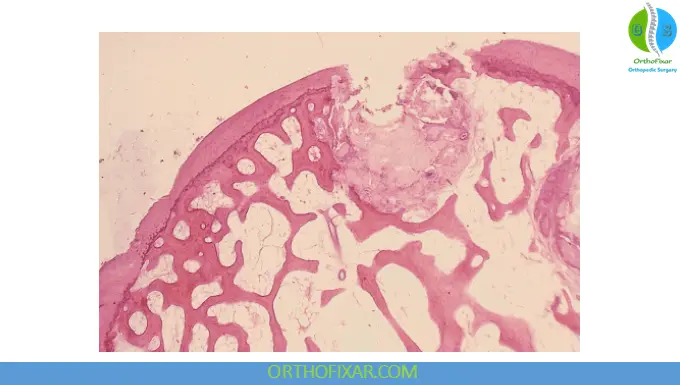
Repeated crystal deposition can eventually lead to chronic joint damage and tophus formation.
Gout Symptoms
Recognizing gout symptoms is essential for early diagnosis and treatment.
Acute Gout Symptoms
Typical manifestations include:
Sudden Joint Pain
Pain often begins abruptly, frequently at night, and reaches maximum intensity within hours.
Joint Swelling
Affected joints become visibly swollen.
Redness and Warmth
Inflammation causes redness and increased temperature over the joint.
Extreme Tenderness
Even light contact, such as bed sheets touching the skin, can be unbearable.
Commonly Affected Joints
The most frequently involved sites include:
- First metatarsophalangeal joint (big toe)
- Ankle
- Knee
- Midfoot
- Wrist
- Elbow
Chronic Gout Symptoms
If untreated, chronic gout may cause:
- Persistent joint pain
- Recurrent attacks
- Reduced mobility
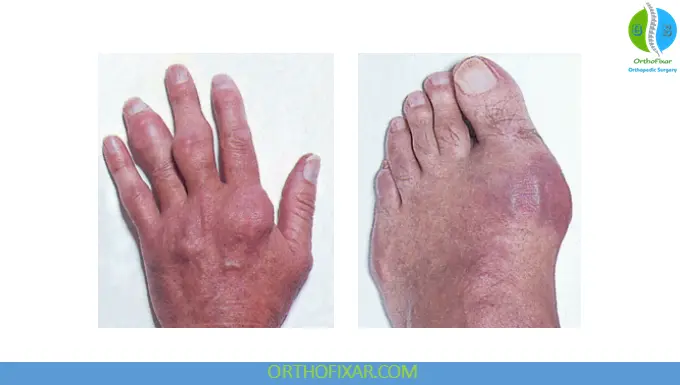
- Joint deformities
- Tophi formation
Tophi: A Major Complication of Chronic Gout
What Are Tophi?
Tophi are deposits of monosodium urate crystals that accumulate in soft tissues over time.
Common locations include:
- Fingers
- Toes
- Elbows
- Ears
- Achilles tendon
Clinical Significance
Tophi may cause:
- Joint destruction
- Cosmetic deformities
- Nerve compression
- Functional disability
Tophi Treatment
Tophi treatment primarily focuses on aggressively lowering serum uric acid levels.
Approaches include:
- Long-term urate-lowering therapy
- Lifestyle modifications
- Surgical removal in selected cases with severe deformity, infection, or impaired function
With sustained uric acid reduction, many tophi gradually shrink and may disappear.
Diagnosis of Gout
Clinical Evaluation
Diagnosis begins with a detailed history and physical examination.
Synovial Fluid Analysis
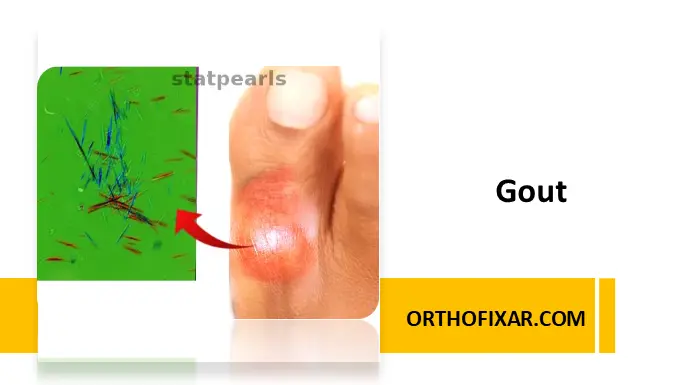
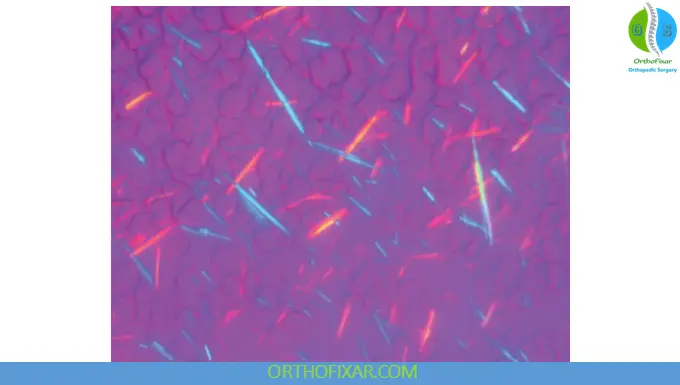
The gold standard for diagnosis is identification of uric acid crystals in joint fluid under polarized light microscopy.
Characteristic findings:
- Needle-shaped crystals
- Strong negative birefringence
Blood Tests
Laboratory evaluation may include:
- Serum uric acid
- Complete blood count
- Inflammatory markers (CRP, ESR)
- Kidney function tests
It is important to note that uric acid levels may be normal during an acute attack.
Imaging Studies
Advanced imaging techniques include:
Ultrasound
May demonstrate:
- Double contour sign
- Tophi
- Crystal deposition
Dual-Energy Computed Tomography (DECT)
Can directly visualize urate crystal deposits.
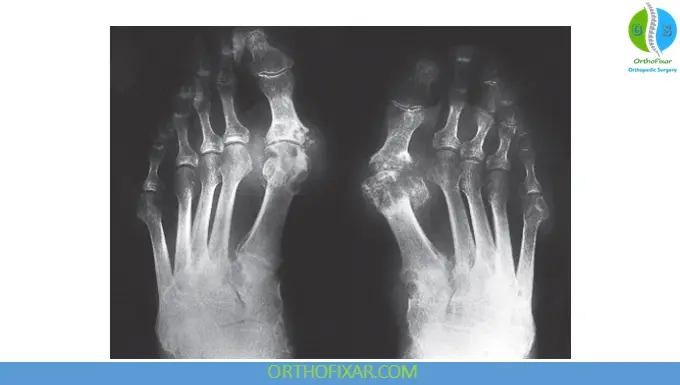
X-rays
Useful in chronic disease to detect:
- Bone erosions
- Joint damage
- Tophaceous changes
Differential Diagnosis
Conditions that may resemble gout include:
- Septic arthritis
- Calcium pyrophosphate deposition disease (pseudogout)
- Rheumatoid arthritis
- Psoriatic arthritis
- Osteoarthritis
- Cellulitis
Because septic arthritis is a medical emergency, joint aspiration is often necessary when infection cannot be excluded.
Gout Treatment
Effective gout treatment involves managing acute attacks and preventing future episodes.
Acute Gout Treatment
Nonsteroidal Anti-Inflammatory Drugs (NSAIDs)
NSAIDs are often first-line therapy for acute attacks.
Examples include:
- Naproxen
- Indomethacin
- Ibuprofen
Colchicine
Colchicine is most effective when started within the first 24–36 hours of symptom onset.
Corticosteroids
Options include:
- Oral prednisone
- Intra-articular corticosteroid injections
- Intramuscular corticosteroids
Supportive Measures
Additional supportive treatments include:
- Resting the affected joint
- Ice application
- Adequate hydration
Long-Term Gout Treatment
Urate-Lowering Therapy
The goal is to maintain serum uric acid below the saturation threshold to prevent crystal formation.
Allopurinol
Allopurinol is the preferred first-line urate-lowering medication.
Benefits include:
- Reduced uric acid production
- Prevention of future attacks
- Shrinkage of tophi
Febuxostat
Febuxostat is an alternative xanthine oxidase inhibitor for patients who cannot tolerate allopurinol.
Uricosuric Agents
These medications increase uric acid excretion through the kidneys.
Examples include:
- Probenecid
- Benzbromarone (availability varies by country)
Treatment Targets
Current guidelines generally recommend:
- Serum uric acid <6 mg/dL (<360 μmol/L)
- Serum uric acid <5 mg/dL (<300 μmol/L) for severe tophaceous disease
Lifestyle and Dietary Management
Lifestyle modifications play a critical role in gout prevention and treatment.
Recommended Dietary Changes
Increase intake of:
- Vegetables
- Whole grains
- Low-fat dairy products
- Water
Limit consumption of:
- Organ meats
- Red meat
- Shellfish
- Sugary beverages
- Alcohol
Weight Management
Weight reduction significantly decreases:
- Hyperuricemia
- Gout attacks
- Cardiovascular risk
Physical Activity
Regular exercise supports:
- Weight control
- Metabolic health
- Cardiovascular health
Prevention of Gout Attacks
Preventive strategies include:
- Maintaining target uric acid levels
- Adhering to prescribed medications
- Limiting alcohol intake
- Managing obesity
- Controlling hypertension and diabetes
- Staying well hydrated
Long-term prevention is essential because recurrent inflammation can lead to irreversible joint damage.
Prognosis
The prognosis for gout is excellent when appropriately managed. Early diagnosis, effective urate-lowering therapy, and adherence to lifestyle recommendations can:
- Eliminate recurrent attacks
- Resolve tophi
- Preserve joint function
- Improve quality of life
Untreated gout, however, may progress to chronic destructive arthritis and significant disability.
Frequently Asked Questions (FAQs)
What causes gout?
Gout is caused by the accumulation of uric acid crystals in joints due to elevated blood uric acid levels.
What are the first gout symptoms?
Early gout symptoms typically include sudden severe joint pain, redness, swelling, and warmth, often affecting the big toe.
Can gout be cured?
While gout is considered a chronic disease, effective urate-lowering therapy can eliminate crystal deposits and prevent attacks, essentially achieving disease remission.
What is the best gout treatment?
The best gout treatment combines acute attack management, long-term urate-lowering therapy, and lifestyle modifications.
How is tophi treatment performed?
Tophi treatment involves sustained uric acid reduction with medications such as allopurinol or febuxostat. Surgery may be considered for severe cases.
Conclusion
Gout is a highly treatable inflammatory arthritis caused by the deposition of uric acid crystals in joints and soft tissues. Early recognition of gout symptoms, accurate diagnosis, and timely initiation of gout treatment can prevent complications such as chronic arthritis and tophi. Modern urate-lowering therapies, combined with dietary and lifestyle interventions, offer excellent long-term outcomes for patients with gout disease.
References & More
- Menon SG, Rednam M, Gujarathi R, et al. Gout. [Updated 2026 Apr 12]. In: StatPearls [Internet]. Treasure Island (FL): StatPearls Publishing; 2026 Jan-. Available from: https://www.ncbi.nlm.nih.gov/books/NBK546606/
- McCarty KL, Gaffo AL, Diaz-Torne C. Gout therapy updated. Ther Adv Musculoskelet Dis. 2025 Oct 21;17:1759720X251384584. doi: 10.1177/1759720X251384584. PMID: 41146690; PMCID: PMC12553874. Link
- Blom, A., Warwick, D., & Whitehouse, M. R. (2018). Apley & Solomon’s system of orthopaedics and trauma (10th ed.). CRC Press