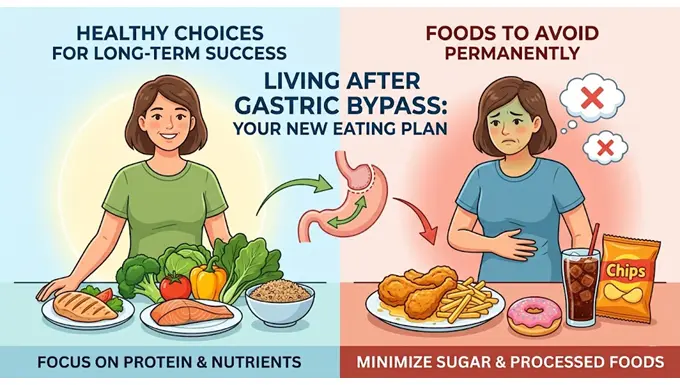
After gastric bypass surgery, some foods may become difficult to tolerate or may cause discomfort, nausea, or dumping syndrome. While every patient is different, to many people are advised to permanently limit sugary foods, fried meals, carbonated drinks, and highly processed items. A healthy eating plan helps protect your stomach pouch, supports weight loss, and improves long-term health. Working closely with a qualified bariatric surgeon los angeles patients trust can also help you understand which foods are safest during recovery and beyond.
Why Food Restrictions Matter After Gastric Bypass
Because the stomach becomes much smaller and the digestive system processes food differently. Certain foods may move too quickly through the stomach, leading to pain, bloating, vomiting, or dumping syndrome. Following proper eating habits also supports steady weight loss and prevents nutritional deficiencies.
Some key reasons these restrictions matter include:
- Reducing stomach discomfort and nausea
- Preventing dumping syndrome caused by excess sugar
- Supporting healthy digestion and nutrient absorption
- Protecting the smaller stomach pouch from stretching
- Helping patients maintain long-term weight loss success
Foods You May Need to Avoid Permanently After Gastric Bypass
Sugary Foods and Drinks: High-sugar foods may trigger dumping syndrome, causing dizziness, nausea, and diarrhea.
Fried and Greasy Foods: Greasy meals can be difficult to digest and may cause stomach discomfort.
Carbonated Drinks: Soda and sparkling beverages may create bloating, pressure, and gas.
Tough or Dry Meats: Dry meats can become hard to chew and may feel stuck after swallowing.
Bread, Pasta, and Doughy Foods: Soft doughy foods may expand in the stomach and feel uncomfortable.
Alcohol: Alcohol is absorbed faster after surgery and may increase intoxication and calorie intake.
Frequently Asked Questions
What foods can you never eat after gastric bypass?
Many patients avoid sugary, fried, carbonated, and highly processed foods long term due to discomfort or dumping syndrome.
Why can’t bariatric patients drink soda?
Carbonation may cause bloating, gas, and stomach discomfort.
Is sugar completely banned after gastric bypass?
Small amounts may be tolerated by some people, but excess sugar often triggers dumping syndrome.
Can you eat bread after gastric bypass?
Soft bread and doughy foods may feel difficult to digest for some patients.
What happens if you eat too much after gastric bypass?
Overeating may cause pain, nausea, vomiting, or stretching discomfort.
Can gastric bypass patients eat fast food?
Fast food is generally discouraged because it is high in fat, calories, and sugar.
Do food intolerances improve over time after gastric bypass?
Yes. Some people tolerate more foods as healing progresses, though sensitivities may remain.
In conclusion
gastric bypass surgery changes the way the body handles food, making some dietary adjustments necessary for long-term success. While certain foods may need to be avoided permanently, many patients can still enjoy a satisfying and balanced diet with healthier choices. Following medical guidance, practicing portion control, and focusing on nutritious meals can help patients stay comfortable, maintain weight loss, and improve overall quality of life.