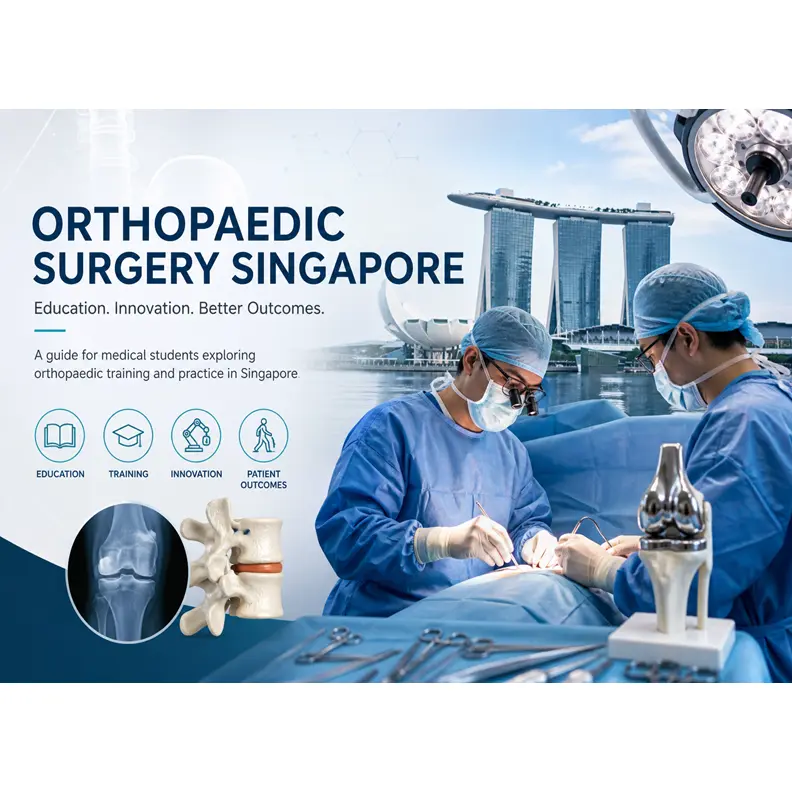
Orthopaedic surgery in Singapore is a rapidly evolving field that focuses on treating musculoskeletal conditions, including fractures, joint disorders, and congenital deformities. For medical students, understanding orthopaedic surgery in Singapore is essential for clinical exposure, career planning, and academic growth.
Overview of Orthopaedic Surgery
Orthopaedic surgeons manage a wide spectrum of conditions, from traumatic injuries such as fractures and dislocations to chronic conditions like osteoarthritis, scoliosis, and congenital deformities. Treatment approaches can be operative or non-operative, including:
- Surgical interventions: fracture fixation, joint replacement, arthroscopy, and spinal surgery
- Non-surgical management: physiotherapy, bracing, pharmacologic therapy, and lifestyle interventions
Core Areas of Orthopaedic Surgery in Singapore
Medical students should familiarize themselves with the common sub-specialties within orthopaedics, which include:
- Trauma and Fracture Surgery – Management of acute injuries and complex fractures.
- Spine Surgery – Treatment of degenerative, congenital, and traumatic spine disorders.
- Joint Replacement and Arthroplasty – Hip, knee, and shoulder replacement procedures.
- Sports Medicine and Arthroscopy – Minimally invasive management of ligament, tendon, and joint injuries.
- Pediatric Orthopaedics – Congenital deformities, developmental disorders, and growth-related issues.
- Hand and Upper Limb Surgery – Complex hand trauma, nerve injuries, and congenital anomalies.
Orthopaedic Training Pathway in Singapore
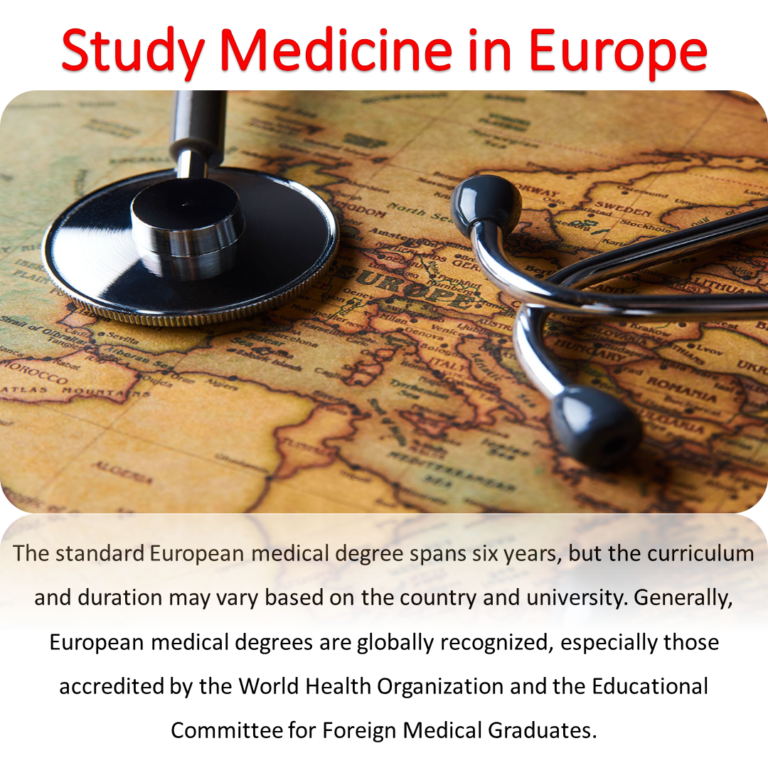
Singapore’s orthopaedic training is rigorous, structured, and internationally recognized. Key steps for aspiring medical students and junior doctors include:
- Medical School
Students should gain a strong foundation in musculoskeletal anatomy, physiology, and pathology. Clinical attachments in orthopaedic departments provide hands-on exposure to fracture management, joint examinations, and surgical procedures. - Internship and Residency
After graduation, doctors enter a two-year Housemanship program, with rotations that include orthopaedics. This phase is critical for learning basic surgical skills and patient management. - Orthopaedic Residency (Specialist Training)
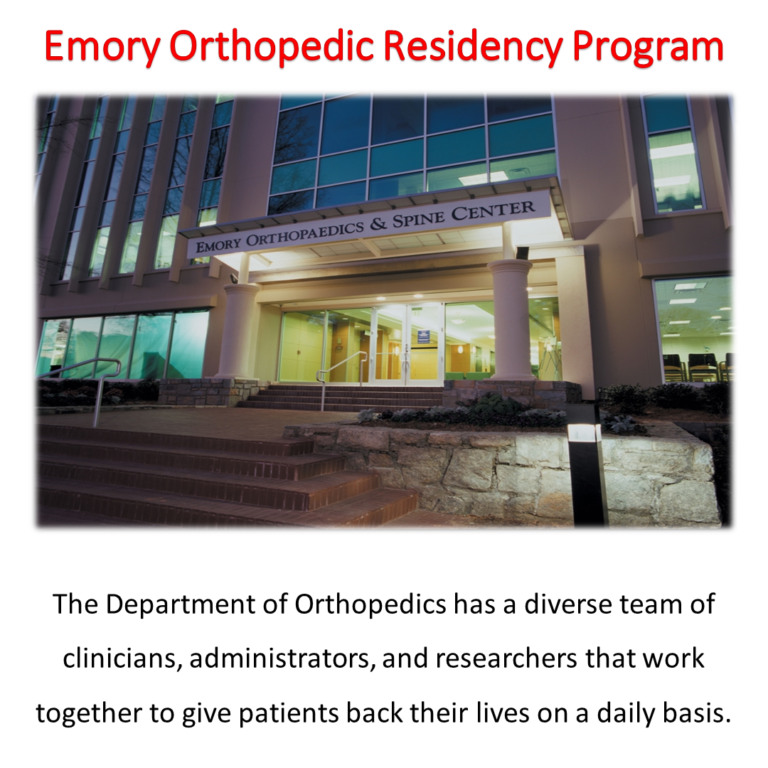
- Duration: Approximately 5–6 years
- Focus: Comprehensive training in trauma, elective surgery, and subspecialty rotations
- Outcome: Eligibility to become a Fellow of the Royal College of Surgeons (FRCS) or obtain specialist accreditation in Singapore
- Sub-specialization
After residency, surgeons can pursue fellowships in areas such as spinal surgery, sports medicine, or joint replacement, often at major hospitals like Singapore General Hospital (SGH) or Tan Tock Seng Hospital (TTSH).
Clinical Exposure and Research Opportunities
Medical students in Singapore benefit from exposure to world-class orthopaedic centers and academic research opportunities:
- Singapore General Hospital (SGH) – Known for trauma and arthroplasty expertise
- Tan Tock Seng Hospital (TTSH) – Active in spine and sports medicine
- National University Hospital (NUH) – Offers advanced subspecialty care and research programs
Research opportunities allow students to participate in studies on fracture healing, implant biomechanics, and regenerative medicine, which strengthen residency applications and foster academic development.
Tips for Medical Students Interested in Orthopaedics
- Develop Strong Anatomy Skills – Orthopaedics relies heavily on precise anatomical knowledge.
- Participate in Clinical Rotations – Seek hands-on exposure in operating theatres and clinics.
- Engage in Research – Publications or presentations in orthopaedic research enhance your CV.
- Attend Conferences and Workshops – Local events by the Singapore Orthopaedic Association (SOA) provide networking and learning opportunities.
- Seek Mentorship – Guidance from experienced surgeons is invaluable for career planning and skill development.
Conclusion
Orthopaedic surgery in Singapore offers an exciting, challenging, and rewarding pathway for medical students. With structured training, exposure to advanced surgical techniques, and abundant research opportunities, aspiring orthopaedic surgeons can build a strong foundation for a successful career in musculoskeletal medicine.
References
- Singapore Orthopaedic Association. https://www.soa.org.sg
- Singapore General Hospital – Department of Orthopaedic Surgery. https://www.sgh.com.sg
- National University Hospital – Orthopaedic Surgery. https://www.nuh.com.sg
- American Academy of Orthopaedic Surgeons. Orthopaedic Education & Training. https://www.aaos.org