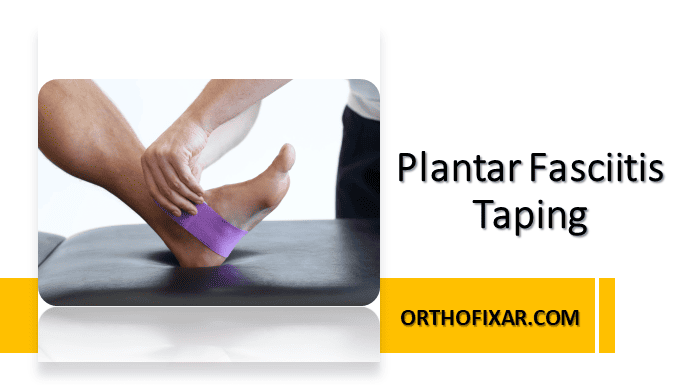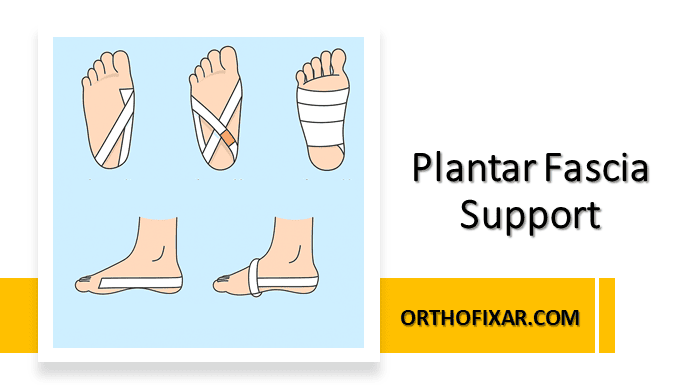
Plantar fascia support taping is a therapeutic intervention designed to address longitudinal arch strain and overpronation associated with plantar fasciitis. This technique provides mechanical support to the plantar fascia while maintaining functional mobility, making it an effective conservative treatment approach for patients experiencing heel and arch pain.
Plantar Fascia Support Taping Indication
The primary indication for plantar fascia support taping is plantar fasciitis, characterized by:
- Longitudinal arch strain
- Overpronation during gait
- Pain at the medial calcaneal tuberosity
- Morning stiffness and pain with first steps
- Activity-related heel and arch discomfort
See Also: Foot Anatomy
Therapeutic Function
The taping technique serves multiple biomechanical purposes:
- Arch support: Maintains the longitudinal arch integrity during weight-bearing activities
- Load distribution: Reduces concentrated stress on the plantar fascia insertion
- Proprioceptive feedback: Enhances awareness of foot positioning
- Pain relief: Decreases strain on inflamed plantar fascial tissues
Materials Required
- 5-cm stretch tape (elastic adhesive tape)
- 3.75-cm tape (for securing strips)
- Skin preparation materials (alcohol wipe, pre-tape spray if needed)
Patient Positioning
Position the patient lying prone with the affected foot extending beyond the end of the treatment couch. Maintain the foot in a neutral position – avoiding excessive plantarflexion or dorsiflexion to ensure optimal tape application and therapeutic effect.
Plantar Fascia Support Taping Technique
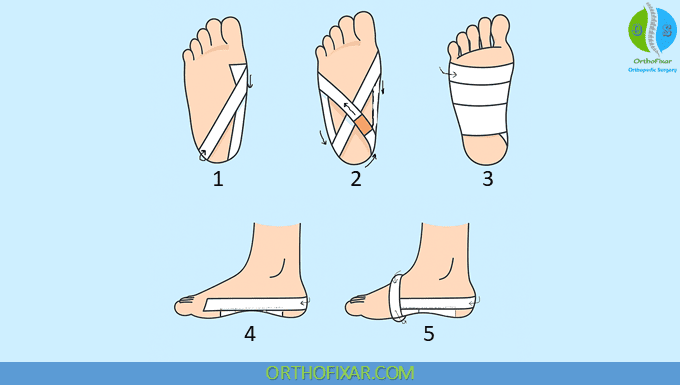
Support Strips (Foundation)
First metatarsal support: Using 5-cm stretch tape, begin at the medial aspect of the foot, proximal to the first metatarsal head. Apply the tape along the medial border, continuing around the heel and across the plantar surface, finishing at the starting point to create a complete loop.
Fifth metatarsal support: Start proximal to the fifth metatarsal head on the lateral border. Draw the tape along the lateral foot border, around the heel, and return to the starting point. Apply slight tension as the tape crosses over the plantar fascia attachment at the calcaneus.
Cover Strips (Reinforcement)
Plantar surface coverage: Fill the sole area between the support strips using additional strips of stretch tape. Begin at the metatarsal heads on the lateral side and draw each strip toward the medial side. Lift the arch slightly before securing the medial attachment to maintain arch elevation.
Lock Strips (Securing)
Heel lock: Apply a 3.75-cm strip circumferentially around the heel, starting and finishing at the first metatarsal head area to secure all tape edges.
Dorsal lock: With the patient standing, apply one final lock strip over the dorsum of the foot to secure any loose tape ends and ensure the entire application remains intact during functional activities.
Clinical Considerations
Assessment Points
- Monitor skin integrity before and after application
- Assess circulation and sensation following tape application
- Evaluate immediate pain relief and functional improvement
Patient Education
- Instruct patients on proper removal technique
- Advise on activity modification during acute phases
- Emphasize the importance of addressing underlying biomechanical factors
Treatment Integration
Plantar fascia support taping works most effectively when combined with:
- Stretching exercises for the plantar fascia and Achilles tendon
- Strengthening exercises for intrinsic foot muscles
- Footwear modifications and orthotic interventions
- Activity modification and load management
The Plantar fascia support taping technique provides immediate symptomatic relief while supporting the healing process, making it a valuable tool in the comprehensive management of plantar fasciitis.