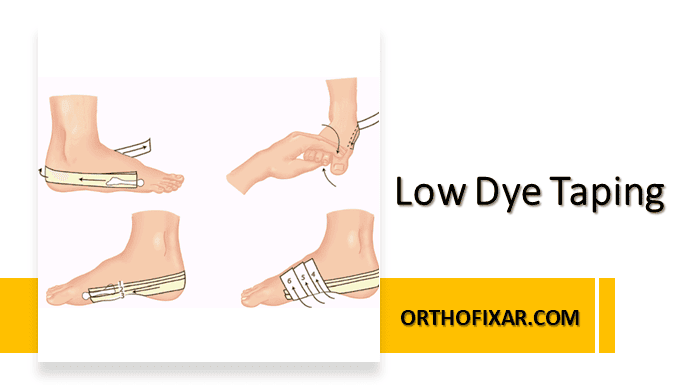
Low Dye taping is a fundamental technique in sports medicine and physical therapy, designed to provide mechanical support to the foot’s medial longitudinal arch while controlling excessive pronation. This evidence-based intervention has become a cornerstone treatment for various overuse injuries affecting the foot and lower extremity.
Low Dye Taping Indications
Low Dye taping is primarily indicated for overuse syndromes including:
- Plantar fasciitis
- Medial arch strain
- Shin splints associated with overpronation
- Other conditions related to excessive foot pronation during weight-bearing activities
Therapeutic Function
The primary objectives of Low Dye taping are to:
- Limit abnormal pronation during the stance phase of gait
- Reduce mechanical strain on the plantar fascia
- Provide temporary arch support during healing
- Allow continued activity while protecting injured structures
Materials Required
- Adhesive spray for enhanced tape adherence
- Rigid sports tape: 2.5cm or 3.8cm width (selection based on foot size)
- Pre-wrap (optional, for sensitive skin)
How to Apply Low Dye Taping?
Position the patient with the leg extended over the end of a treatment couch, ensuring the foot is relaxed and in a neutral position. This allows for proper access to all aspects of the foot during application.
Step 1: Preparation
Spray the foot area to be taped with adhesive spray to ensure optimal tape adherence throughout the treatment period.
Step 2: Lateral Anchor
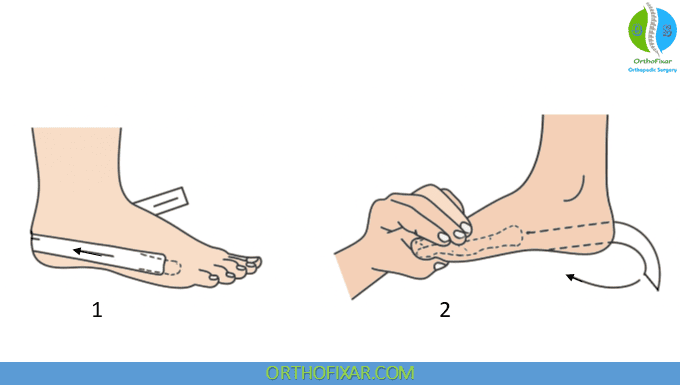
Place tape on the lateral aspect of the fifth metatarsal head, drawing the tape firmly along the lateral border of the foot and around the heel. This creates the foundational anchor for the taping system.
Step 3: First Metatarsal Support
Depress the first metatarsal head with the index finger while supporting the second through fifth metatarsal heads with the thumb. This hand position maintains the desired arch configuration during tape application.
Step 4: Medial Support Strip
Draw tape along the medial border of the foot, attaching it to the previously placed lateral anchor strip. This creates the primary supportive element of the Low Dye technique.
Step 5: Reinforcement Strips
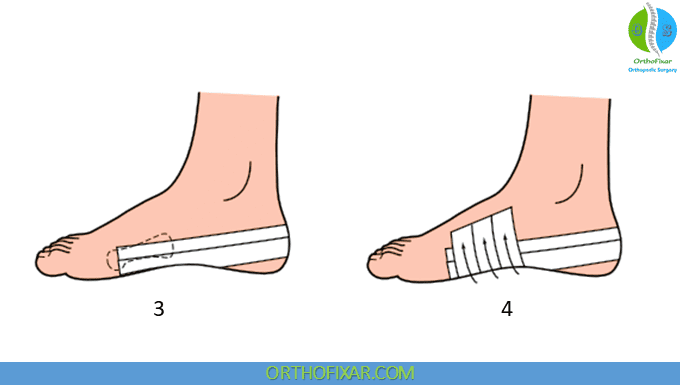
Repeat the medial support strips once or twice more, overlapping each preceding strip by one-third of its width. This provides graduated support and ensures adequate coverage.
Step 6: Closure and Support Tapes
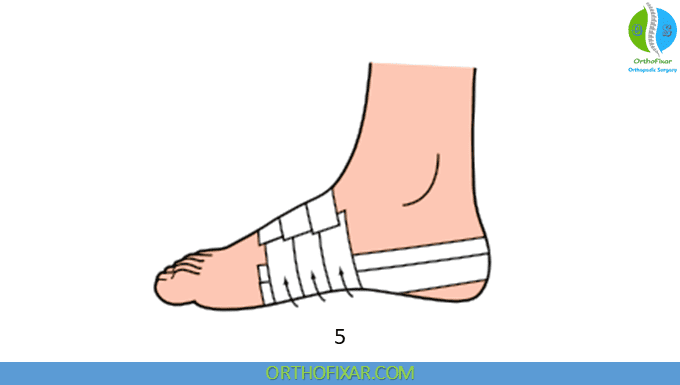
- Tape these longitudinal strips down with two to three support tapes placed under the arch, extending from lateral to medial borders
- Complete the application by standing the athlete upright and closing off the top of the foot with two to three bridging tapes for additional security
Clinical Pearls and Precautions
Important Application Tips:
- Avoid extending tapes across joint lines, as this will cause the tape to “splay” during movement, compromising both the first and fifth toes’ function
- Consider placing a heel wedge under the heel to aid supination and enhance the tape’s corrective effect
- Monitor for signs of compromised circulation or skin irritation
Functional Assessment
Following Low Dye Taping, perform a check function test by having the patient bear weight and assess whether the foot feels more comfortable during weight-bearing activities. This immediate feedback helps determine the effectiveness of the taping technique.
Clinical Considerations
Low Dye taping serves as an excellent diagnostic and therapeutic tool. If symptoms improve with taping, it may indicate that the patient would benefit from more permanent interventions such as orthotic therapy. The technique provides temporary support while allowing assessment of biomechanical contributions to the patient’s condition.
This taping method represents an essential skill for physical therapists working with athletes and active individuals, offering both immediate symptom relief and valuable clinical information for long-term treatment planning.
References & More
- Park C, Lee S, Lim DY, Yi CW, Kim JH, Jeon C. Effects of the application of Low-Dye taping on the pain and stability of patients with plantar fasciitis. J Phys Ther Sci. 2015 Aug;27(8):2491-3. doi: 10.1589/jpts.27.2491. Epub 2015 Aug 21. PMID: 26355306; PMCID: PMC4563297. PubMed