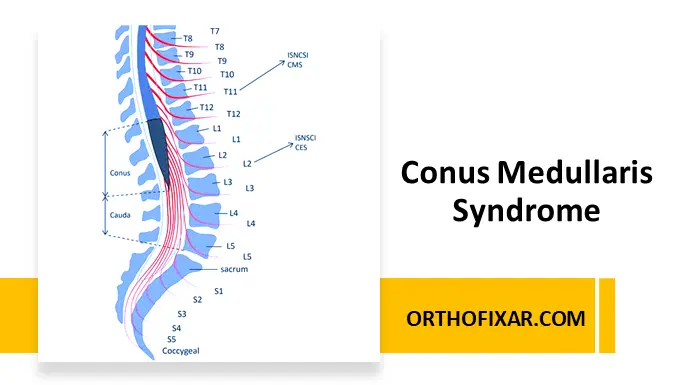
Conus Medullaris Syndrome – Clinical Overview
Conus medullaris syndrome (CMS) is a neurological condition resulting from injury to the terminal portion…
Read Full Entry →
Conus medullaris syndrome (CMS) is a neurological condition resulting from injury to the terminal portion…
Read Full Entry →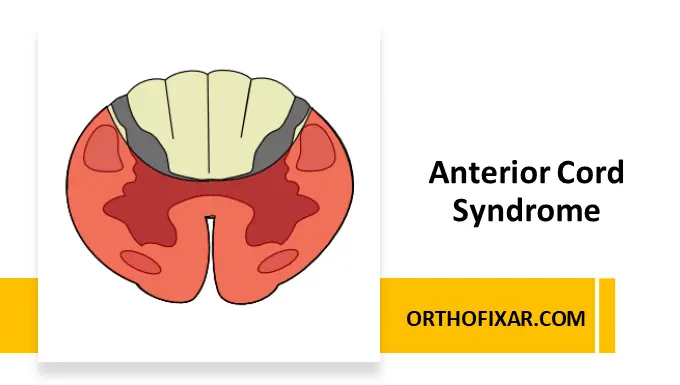
Anterior Cord Syndrome (ACS)—also known as Anterior Spinal Artery Syndrome or ventral cord syndrome—is a…
Read Full Entry →
The platysma (G. flat plate) is a broad, thin sheet of muscle in the subcutaneous…
Read Full Entry →
Duncan Ely Test or Ely test is used to assess the rectus femoris muscle tightness…
Read Full Entry →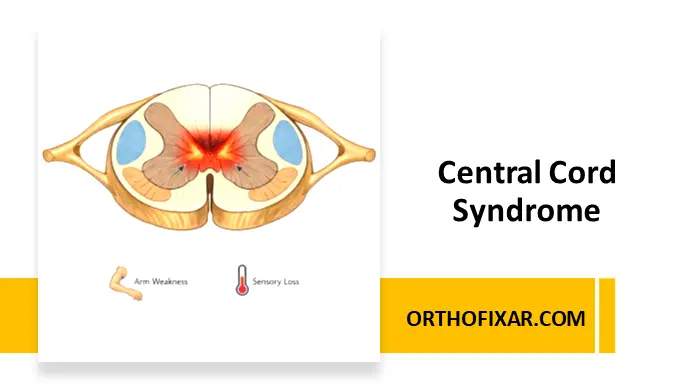
Central Cord Syndrome (CCS) is the most common form of incomplete spinal cord injury, characterized…
Read Full Entry →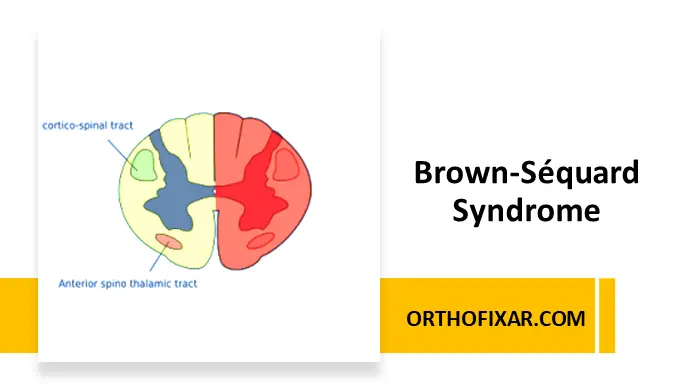
Brown-Séquard syndrome (BSS) is a rare but classic incomplete spinal cord injury caused by hemisection…
Read Full Entry →
Neurogenic shock is a life-threatening type of distributive shock characterized by loss of sympathetic vascular…
Read Full Entry →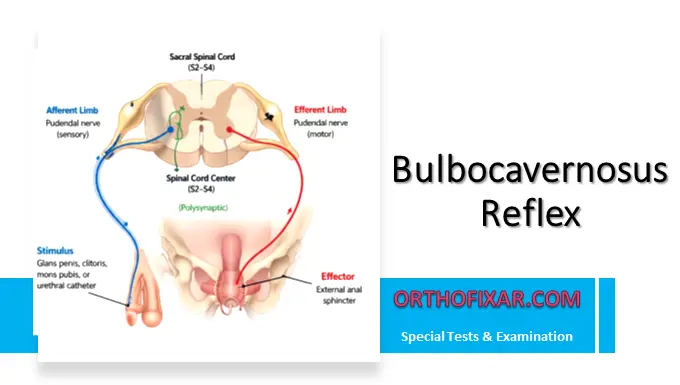
The bulbocavernosus reflex (BCR) is a key neurological reflex used in the assessment of spinal…
Read Full Entry →
Bier block anesthesia, also known as intravenous regional anesthesia (IVRA), is a simple, reliable, and…
Read Full Entry →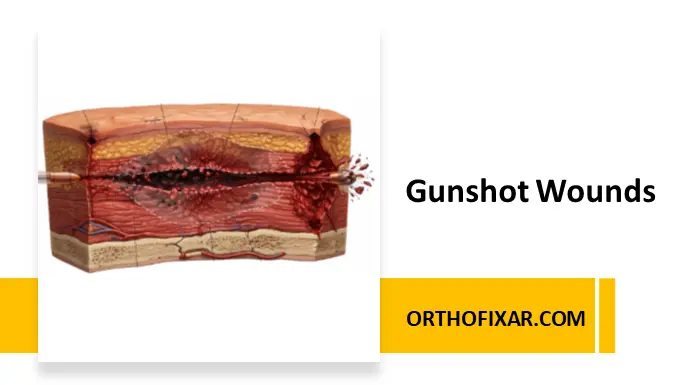
Gunshot wounds (GSWs) represent complex traumatic injuries with highly variable clinical presentations. Their severity depends…
Read Full Entry →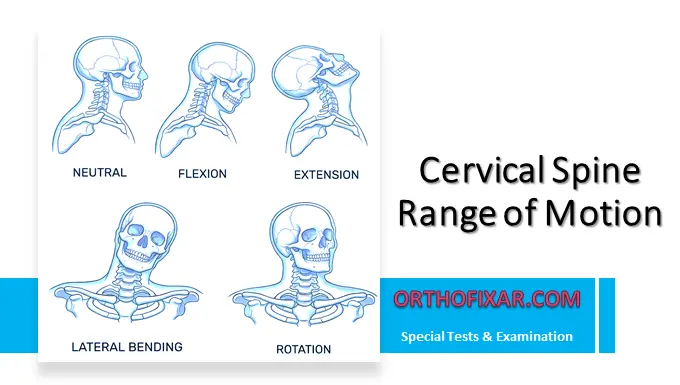
Cervical spine range of motion for flexion is 45º-80°, for extension is 50°-70°, for lateral…
Read Full Entry →
The Tscherne classification is a widely used orthopedic system for grading soft tissue injury associated…
Read Full Entry →