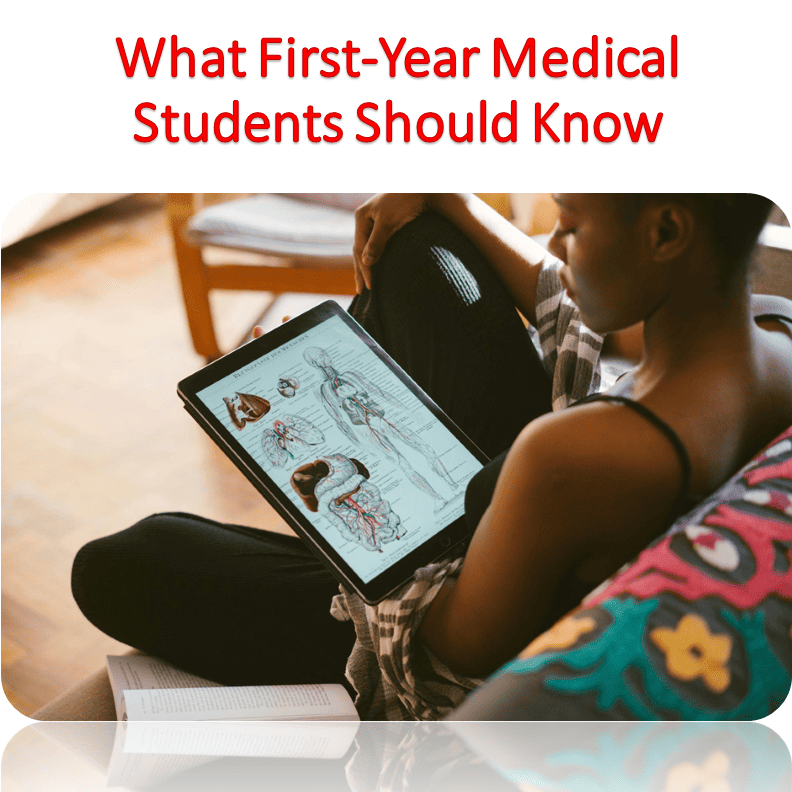
Stepping into medical school for the first time feels a bit like jumping into the deep end of the ocean. Exciting? Absolutely. But overwhelming? Oh, you bet. Whether you’re a U.S. student starting your M1 year or an international student adjusting to a new country and a demanding curriculum, one thing’s for sure – this journey is not just about mastering textbooks, it’s about mastering yourself.
So, what exactly should you know as a first-year medical student?
Let’s break it down – practically and truthfully – so you can not only survive but actually thrive in med school.
1. It’s a Marathon, Not a Sprint
You’ve probably heard this phrase a dozen times before – but in med school, it’s your new mantra.
First-Year Medical school is intense. The workload hits like a tsunami, and the pace feels relentless. Many students come in thinking they need to cram everything and stay up all night to succeed. Spoiler alert: that’s a fast track to burnout.
Know This:
- Pace yourself. You don’t have to (and shouldn’t) learn everything at once.
- Consistency beats intensity. Study in focused blocks every day instead of doing chaotic all-nighters.
- Rest is part of the process. You can’t absorb information with a fried brain.
🏃♂️ Think of med school like training for a marathon. You need stamina, strategy, and a whole lot of self-compassion.
See Also: Best Medical Schools
2. Study Smart, Not Just Hard
Sure, medical school is about studying – a lot. But how you study makes all the difference. Gone are the days of passive reading and highlighting. You’re in a whole new league now.
Use Active Learning:
- Spaced repetition (like Anki flashcards) helps lock in long-term knowledge.
- Practice questions teach you how to apply what you’ve learned – not just memorize it.
- Teach someone else. If you can explain a concept simply, you truly understand it.
Another underrated but smart strategy is learning how to delegate tasks when possible. As a medical student, your time is your most valuable resource. Sometimes, instead of spending hours on general academic assignments outside your medical coursework, you can delegate those responsibilities to reliable services. For instance, if you ever find yourself overwhelmed and thinking, “I wish someone could write an essay for me,” you’re not alone. Many learners search online for trustworthy writing services that can handle essays or reports while they focus on what truly matters – mastering anatomy, pharmacology, or clinical skills. The key is balance: you’re not avoiding responsibility; you’re managing your workload intelligently. That’s what studying smart really means.
3. Imposter Syndrome is Real – and Common
Ever walk into lecture and feel like everyone else is smarter, faster, or just more “medical” than you? Welcome to the club. That feeling? It’s called imposter syndrome, and it’s more common than you think.
But here’s the truth: You belong here. You earned your spot. And everyone around you is secretly struggling in some way, even if they seem like they have it all together.
What Helps:
- Talk about it – with peers, upperclassmen, or a counselor.
- Keep a “Wins List” – jot down small victories to remind yourself of progress.
- Remember: comparison is the thief of joy.
Don’t let self-doubt steal your confidence. Growth doesn’t always feel like winning – sometimes, it just feels like trying again.
4. Mental Health Matters – A Lot
Let’s get real for a second. Medical school has a reputation for being emotionally and mentally draining – and for good reason. Students often feel pressure to push through, sacrificing sleep, social life, and sometimes even their well-being.
But here’s the thing: Taking care of your mental health is not a luxury – it’s a necessity.
You can’t pour from an empty cup. The more you ignore stress, anxiety, or burnout, the worse it gets.
Build Your Mental Toolbox:
- Set boundaries. Say no when you need to.
- Find your support system. Whether it’s family, friends, or fellow med students, don’t isolate yourself.
- Make time for joy. Watch a show, take a walk, cook a meal – anything that reminds you that you’re a whole person, not just a student.
And if you’re struggling? Ask for help. Most med schools offer counseling services – take advantage of them without guilt.
5. You’re More Than Your Grades
Grades matter, yes. But they’re not everything.
In your First-Year Medical school, it’s easy to become hyper-focused on numbers: test scores, class ranks, GPA. But here’s the truth: Medicine is about people, not just performance. Your empathy, communication skills, and professionalism are just as important as your academic record.
Residency programs are increasingly valuing well-rounded individuals over robotic perfectionists. So while you should aim to do your best, don’t let a bad exam define you.
Develop the “Doctor Mindset”:
- Stay curious. Not just for exams – but for your future patients.
- Practice compassion. For others and yourself.
- Think long-term. Focus on becoming the kind of doctor you’d want for your loved ones.
At the end of the day, your goal isn’t to be the top student – it’s to be a competent, compassionate doctor.
Adapting to the U.S. Medical School Culture (Especially for International Students)
Studying medicine in the U.S. comes with its own unique cultural twists, especially if you’re coming from another country. From communication styles to classroom expectations, everything might feel unfamiliar at first.
What You Should Know:
- Participation matters. Professors often encourage open discussion and expect engagement.
- Clinical exposure starts early. Even in year one, you might start interacting with patients or practicing physical exam skills.
- You’re not alone. Many schools have support groups and resources specifically for international students.
Don’t hesitate to reach out. Your background brings valuable perspective to the table – it’s not a barrier, it’s a strength.

Time Management = Sanity Management
Time will feel like a luxury item in med school. With lectures, labs, clinicals, and study time stacking up, your schedule can quickly become chaos.
But you can take back control.
Use These Tools:
- Google Calendar or a planner – schedule everything, even downtime.
- The Pomodoro Technique – 25 minutes of work, 5-minute break, repeat.
- Weekly planning – spend Sunday night mapping out your week.
Remember: time management isn’t about doing more. It’s about doing what matters most, with intention.
Find Your People – Community Is Everything
Medical school can feel isolating if you let it. But it doesn’t have to be.
Forming connections – whether through study groups, interest clubs, or just casual meetups – makes all the difference. You’ll need people to celebrate wins with, cry over exams with, and just exist with when it all feels like too much.
Pro tip:
- Don’t wait for others to reach out. Be the one who starts a conversation or organizes a coffee run.
- Surround yourself with people who lift you up – not those who feed into toxic competition.
Together, you’ll make it through.
Embrace the Journey – You’re Becoming a Doctor
Here’s the thing: you won’t always feel like you know what you’re doing. And that’s okay.
Every time you choose to study instead of scrolling, every time you ask a question in class, every time you admit you don’t know something – you’re growing. You’re becoming the doctor you dreamed of being.
Some days will be tough. Others will be inspiring. But every single day is a step forward.
And isn’t that kind of amazing?
You’ve Got This – One Step at a Time
Your First-Year Medical school is a wild ride – part whirlwind, part awakening. You’ll learn more than you ever thought possible, not just about medicine, but about yourself.
So, breathe. Stay grounded. Trust the process. And remember:
- You belong here.
- You’re capable of handling this.
- And most importantly – you’re not alone.
Medicine is a calling, and you’ve already answered. Now, take that first step with courage, and keep moving forward – one lecture, one quiz, one heartbeat at a time.