Thumb CMC arthritis is one of the most common causes of hand pain in adults, especially after age 40. It affects the joint at the base of your thumb where it meets your wrist, making everyday actions like opening a jar, turning a key, or holding a cup surprisingly painful. The good news is that most people do not need surgery. With the right combination of bracing, activity changes, and targeted treatment, thumb CMC arthritis is very manageable. This guide covers symptoms, splints, exercises, medical options, and what to expect in the years ahead.
What Is Thumb CMC Arthritis?
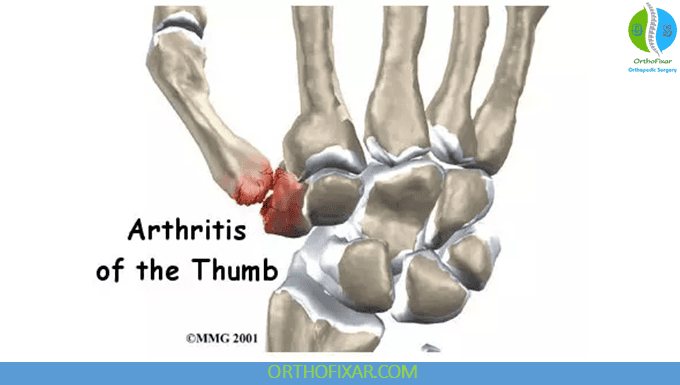
The CMC joint (carpometacarpal joint) sits at the base of the thumb and connects your thumb to the wrist. It is a saddle-shaped joint that allows your thumb to move in many directions, which is exactly why it wears down over time.
When the cartilage cushioning this joint breaks down, the bones begin to rub against each other. This leads to pain, stiffness, and a gradual loss of grip strength.
- It is often called basal thumb arthritis or trapeziometacarpal arthritis.
- It is the most common arthritis site in the hand, more common than wrist or finger arthritis.
- Women are affected far more often than men, particularly after menopause.
- It can appear in one or both thumbs, even without injury or overuse.
Symptoms to Watch For
Early signs are easy to ignore. Many people blame a “twinge” on sleeping wrong or overdoing yard work. Over time, the discomfort becomes more predictable and more limiting.
- Aching pain at the base of the thumb, especially after gripping or pinching.
- Sharp pain when opening jars, turning doorknobs, or wringing a cloth.
- A grinding or clicking sensation when moving the thumb.
- Swelling or a visible bump at the joint base.
- Weak pinch grip, making it hard to hold a pen, phone, or keys.
- Morning stiffness that loosens up during the day.
- Thumb drifting inward, changing the shape of the hand over time.
If you catch yourself using your other hand to help your thumb up off a table, that is a classic late-stage sign. That movement, called the “tabletop test,” is a useful self-check.
Many patients describe thumb CMC arthritis as a deep, bruising ache that flares after a busy day of ordinary tasks, not dramatic injury.
How Doctors Diagnose CMC Joint Arthritis
Diagnosis usually starts with a simple physical exam. Your doctor will press on the joint, move your thumb, and test your pinch strength against resistance.
- Grind test: your thumb is rotated and pressed into the palm to reproduce pain.
- Pinch strength and grip strength measurements.
- Range-of-motion checks for the thumb and the rest of the hand.
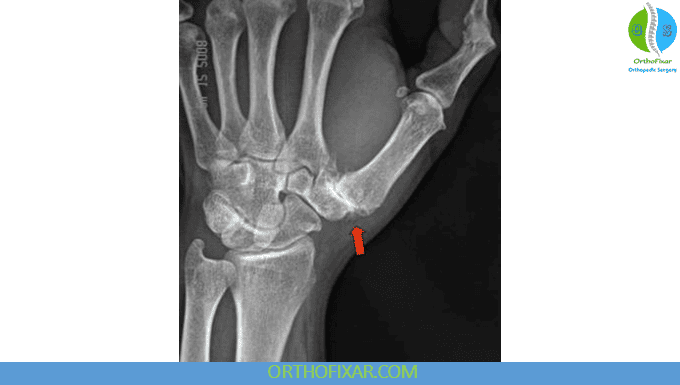
- X-rays to look at joint space narrowing, bone spurs, and cyst formation.
- Occasionally an MRI or ultrasound if the diagnosis is unclear.
X-rays are graded in stages from mild to severe, but the stage does not always match your pain level. Some people with advanced X-ray changes feel fine, and some with mild changes hurt a lot.
Treatment Options: A Step-by-Step Approach
Most clinicians follow a ladder approach, starting with the least invasive options and moving up only if needed.
Non-Surgical Treatments
- Topical NSAIDs like diclofenac gel applied directly to the joint.
- Oral anti-inflammatory medications for flare-ups.
- Heat or cold packs to ease stiffness and swelling.
- Cortisone injections into the joint for short-term pain relief.
- Pain-relieving creams containing capsaicin or lidocaine.
Injections often calm a flare for weeks to months. They do not reverse cartilage damage, but they can buy time and improve comfort.
Bracing and Splinting
Bracing is the workhorse of thumb CMC arthritis care. A well-fitted splint rests the joint, reduces painful movement, and supports the thumb during daily tasks.
- Rigid splints for severe flare-ups, often worn at night.
- Semi-rigid splints for daytime use during gripping tasks.
- Soft neoprene sleeves for mild symptoms and warmth.
- Custom-molded thermoplastic splints made by a hand therapist.
The key is fit. A splint that slips, pinches, or blocks the thumb pad is counterproductive. Hand therapists can shape a splint to your hand within a single visit.
Types of Thumb Splints at a Glance
| Splint Type | Best For | Typical Wear | Notes |
|---|---|---|---|
| Soft sleeve | Mild pain, warmth | Daytime as needed | Low support, easy to wear |
| Semi-rigid wrap | Moderate pain, gripping | Several hours daily | Balances support and mobility |
| Rigid thermoplastic | Severe pain, joint rest | Night and flare-ups | Custom fit strongly recommended |
| Post-surgical splint | After surgery | Continuous for weeks | Applied by surgeon or therapist |
Patients who wear a properly fitted splint often say the biggest gain is not just less pain, but better sleep and fewer flare-ups after busy days.
Exercises and Physical Therapy
Therapy for thumb CMC arthritis focuses on preserving motion and supporting the joint with stronger surrounding muscles. Stretching alone can worsen pain if inflammation is high, so timing matters.
- Thumb tendon glides to keep the joint moving smoothly.
- Isometric pinch holds to build strength without joint stress.
- Grip and wrist strengthening with light resistance.
- Joint protection training for daily tasks.
- Nerve gliding if tingling develops at the thumb base.
A hand therapist will usually combine splinting, exercises, and task advice in one plan. This combined approach tends to work better than any single treatment.
Daily Life and Joint Protection
Small changes can dramatically reduce pain without limiting your independence.
- Use an electric jar opener and pull-tab tools instead of twisting.
- Hold cups and mugs with both hands or use a large-handled mug.
- Switch to pens and utensils with thicker grips.
- Use a key turner to avoid heavy twisting force.
- Carry bags with a shoulder strap instead of gripping with the fingers.
- Take short breaks during repetitive tasks like knitting, typing, or gardening.
These adaptations are not giving up. They are the same strategies used by hand surgeons and therapists to keep joints calm.
When Surgery Is Considered
Surgery is usually reserved for cases where pain and weakness persist despite months of proper non-surgical care. It is not a first-line option.
- Persistent pain that interferes with work, sleep, or basic tasks.
- Severe joint damage on imaging.
- Failure of splinting, therapy, and injections.
- Thumb deformity that limits function.
Common procedures include trapeziectomy (removing the small trapezium bone), ligament reconstruction, joint fusion, and joint replacement. Recovery takes time and requires hand therapy, but most patients report meaningful pain relief and improved strength.
Conclusion
Thumb CMC arthritis is common, but it does not have to run your life. Early splinting, smart activity adjustments, targeted exercises, and timely medical care can keep pain in check for years. If symptoms are worsening or your grip is fading, see a hand specialist sooner rather than later. A clear plan beats waiting it out.
Frequently Asked Questions About Thumb CMC Arthritis
What does thumb CMC arthritis feel like?
Most people describe a deep ache at the base of the thumb, often worse after gripping or pinching. Sharp pain with jar lids, keys, or doorknobs is very typical, and many notice morning stiffness that eases with movement.
Can thumb CMC arthritis go away on its own?
Arthritis itself does not reverse, but symptoms often improve with rest, bracing, and therapy. Flare-ups can fade with a few weeks of careful management. The underlying cartilage changes remain.
Is it better to rest the thumb or keep using it?
A mix of both works best. Rest during painful flares, then gently resume light activity to keep the joint mobile. Complete inactivity causes stiffness and weakens the muscles that support the thumb.
How long should I wear a thumb splint each day?
Many people wear a semi-rigid splint for a few hours during stressful tasks and switch to a rigid splint at night. Your hand therapist will tailor hours to your symptoms and daily routine.
Do cortisone injections help thumb CMC arthritis?
They often reduce pain for several weeks or months, especially early on. Relief is temporary, and frequent injections are usually avoided. Injections work best alongside splinting and therapy.
Are exercises safe when the joint is inflamed?
Gentle motion is usually fine, but intense strengthening during a flare can make things worse. A hand therapist can adjust the plan to match your pain level and avoid irritating the joint.
Will I eventually need surgery for thumb CMC arthritis?
Most people do not. Surgery is reserved for persistent pain and weakness after non-surgical care has failed, or when imaging shows severe joint damage with poor function.
Does diet or supplements help thumb arthritis?
There is no diet proven to reverse thumb CMC arthritis. A balanced diet, healthy weight, and adequate vitamin D support general joint health. Discuss any supplement with your doctor before starting.
Can I still work with thumb CMC arthritis?
Yes, with adjustments. Ergonomic tools, bracing, and modified grip techniques let many people continue working. Jobs that require heavy pinching or repetitive thumb use may need extra protection and pacing.
When should I see a doctor about thumb pain?
See a clinician if pain lasts more than a few weeks, wakes you at night, weakens your grip, or changes the shape of your thumb. Early evaluation opens more treatment options and prevents needless suffering.