A hip flexor strain can turn simple movements like walking, sitting, or climbing stairs into painful challenges. This guide breaks down what causes this injury, how to recognize it, which treatments actually help, and how to return to activity without re-injuring yourself. You will also find a clear recovery timeline, practical prevention tips, and answers to the most common questions patients ask.
What Is a Hip Flexor Strain?
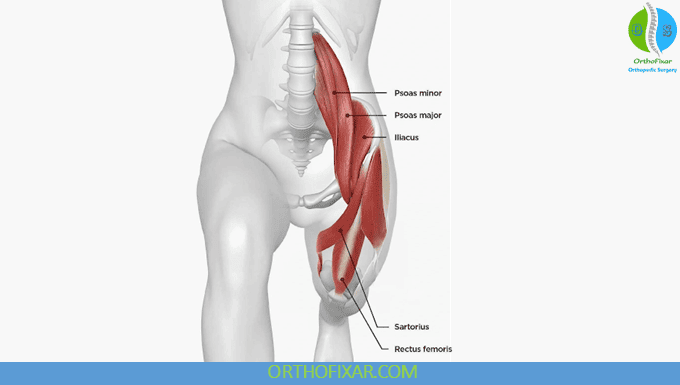
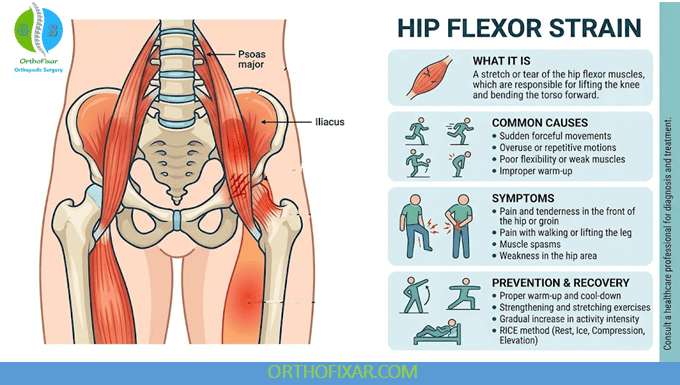
The hip flexors are a group of muscles located near the front of your hip and upper thigh. Their main job is to lift your knee toward your chest, bend your torso forward, and help control your leg during walking or running.
A strain happens when one or more of these muscles is stretched too far or torn. This often occurs during explosive movements like sprinting, kicking, or quickly changing direction. It can also develop gradually from sitting too much and then suddenly asking your hip flexors to work hard.
Hip flexor strains are graded by severity:
- Grade 1: A mild stretch or tiny microscopic tears. You can usually walk normally but feel soreness.
- Grade 2: A partial muscle tear with moderate pain, bruising, and some loss of strength.
- Grade 3: A complete tear of the muscle, often causing severe pain and difficulty walking. Surgery may be required.
For example, a runner who sharply increases sprinting intervals without proper warm-up is a typical candidate for a hip flexor strain. Similarly, a soccer player kicking a ball with poor technique may feel a sudden pull in the front of the hip.
Common Symptoms of a Hip Flexor Strain
Symptoms vary depending on the severity of the strain, but most people notice them right after the injury or within a few hours.
- Sharp or dull pain in the front of the hip or groin area.
- Pain when lifting your knee, bending forward, or straightening your leg.
- Tenderness when pressing on the hip flexor muscles.
- Swelling, bruising, or muscle stiffness in more severe cases.
- Difficulty getting out of a car, standing up from a chair, or climbing stairs.
- A feeling of tightness or a muscle spasm in the upper thigh.
You might notice the pain most when you roll over in bed, put on socks, or take the first few steps after sitting for a while. Some people describe it as a deep ache; others feel a sharper twinge with specific movements.
A hip flexor strain is not just a pain in the front of the hip. It can change the way you walk, sit, and sleep, and that is why early treatment matters.
How Is a Hip Flexor Strain Diagnosed?
In most cases, a doctor or physical therapist can diagnose a hip flexor strain through a physical exam and a conversation about your symptoms. No imaging is required for mild injuries.
- You will be asked to describe when the pain started and which movements trigger it.
- The clinician will test your range of motion by asking you to lift your knee, extend your leg, and resist gentle pressure.
- They may press on specific points along the hip flexor muscles to find the exact area of tenderness.
- Imaging such as ultrasound or MRI is usually reserved for suspected tears, persistent pain, or injuries that do not improve with home care.
If you cannot bear weight on the leg or the pain came on suddenly with a popping sound, seek medical evaluation within a day or two.
Treatment Options for Hip Flexor Strain
Treatment starts with reducing pain and protecting the injured muscle. The earlier you respond, the faster your recovery tends to be.
- Rest from painful activities but avoid complete bed rest. Light walking is usually fine if it does not hurt.
- Ice the front of the hip for 15 to 20 minutes at a time, several times a day, during the first few days.
- Use gentle compression with a wrap or elastic bandage to help control swelling.
- Pain relievers such as ibuprofen or acetaminophen can help you stay comfortable while the muscle heals.
After the acute pain settles, movement becomes your best friend. Gentle stretching, short walks, and basic strengthening exercises can begin once you can move the leg without sharp pain. A physical therapist can guide you through safe progressions and make sure you are not pushing too hard too soon.
Treatment and Recovery Stages
| Stage | Focus | Suggested Activities |
|---|---|---|
| Acute phase | Reduce pain and swelling | Ice, relative rest, gentle compression |
| Early recovery | Restore normal movement | Pain-free stretching, short walking, easy leg swings |
| Strengthening phase | Rebuild muscle capacity | Hip bridges, straight-leg raises, resisted exercises |
| Return to sport | Prepare for activity demands | Jogging, light sprints, cutting drills, sport-specific training |
Recovery Timeline and Return to Activity
Recovery time depends on the grade of the strain and how consistently you follow your rehabilitation plan. Every patient is different, but these general ranges are useful to keep in mind:
- Grade 1 strains often improve within one to two weeks.
- Grade 2 strains usually take three to six weeks of guided rehab.
- Grade 3 strains may require several months, and some cases need surgical repair.
Returning to activity should always be gradual and pain-free. Pushing yourself before the muscle is ready is the most common reason people get reinjured.
- Start with walking and swimming before attempting any running.
- Test your tolerance with single-leg squats and gentle forward lunges.
- Progress to jogging only when you can walk without a limp or discomfort.
- Add sprinting, jumping, and cutting movements last, after basic strength has returned.
- Warm up properly before each session and allow rest days so the muscle can adapt.
For example, a recreational runner with a grade 1 strain might begin with brisk walks, then alternate short jog intervals with walking breaks. Only when those feel smooth should they try continuous running and eventually speed work.
Preventing Future Hip Flexor Strains
Prevention is about building strength and movement habits that protect your hip flexors during daily life and exercise.
- Strengthen your glutes and core so the hip flexors do not have to carry all the work.
- Stretch regularly, especially after workouts when your muscles are warm.
- Avoid sudden jumps in training intensity, pace, or mileage.
- Take rest days seriously and let your muscles recover between hard sessions.
- Improve your posture if you sit at a desk all day. Getting up every hour and stretching your hips makes a real difference.
Adding simple exercises like glute bridges, planks, and clamshells to your routine can reduce the load on your hip flexors. If you already had a strain, continuing these exercises after you feel better is one of the best ways to avoid a repeat injury.
When to See a Doctor
Most hip flexor strains respond well to home care, but some situations call for professional help.
- Severe pain that prevents you from walking or bearing weight.
- A popping or tearing sensation followed by weakness or visible bruising.
- Numbness or tingling down the front of your thigh.
- No improvement after five to seven days of rest and home treatment.
- Pain that gets worse at night or does not settle even when you stay still.
Seeing a physical therapist early can also be helpful even for mild strains. They can assess your movement patterns and give you a personalized rehab plan, which often speeds up recovery and lowers the risk of re-injury.
Conclusion
A hip flexor strain can be painful and frustrating, but most people recover fully with the right approach. Listen to your body, treat the pain early, and rebuild strength gradually before returning to activity. If symptoms persist or you suspect a severe tear, seek professional advice rather than pushing through.
Frequently Asked Questions
How long does a hip flexor strain take to heal?
Mild strains often heal within one to two weeks. Partial tears usually take three to six weeks, while severe tears can require several months of rehabilitation or even surgery.
Can I walk with a hip flexor strain?
You can usually walk with a mild strain, but avoid long distances, fast walking, or inclines if they cause pain. If walking makes you limp or worsens your symptoms, rest and consult a healthcare professional.
Should I stretch a strained hip flexor?
Gentle stretching is helpful once the sharp pain has settled. Stretching a warm muscle improves mobility, but stretching through sharp pain can make the injury worse. Ease into each stretch slowly and stop if you feel intense discomfort.
What is the fastest way to recover from a hip flexor strain?
Start with ice and relative rest in the first days, then progress to pain-free movement and gradual strengthening. Working with a physical therapist gives you the most reliable route to a fast, safe recovery.
How do I know if my hip flexor strain is serious?
If you cannot bear weight, felt a popping sensation, have significant bruising, or see no improvement after a week of home care, you should see a doctor. These signs point to a partial or complete tear.
Can I sleep on my side with a hip flexor strain?
Yes, side sleeping on the unaffected side is usually fine. Place a pillow between your knees to keep your hips aligned and reduce strain on the