Preparing for hip replacement is not just about the day of surgery. It is about the weeks before, when you can build strength, arrange your home, and learn what to expect. Good preparation can make your recovery smoother, reduce the risk of complications, and help you return to everyday activities with more confidence. This guide walks you through the medical tests you may need, the exercises worth starting early, and the practical home setup that makes a real difference after surgery.
Why Preparation Matters for Hip Replacement Recovery
Hip replacement is a common and generally reliable operation, but the recovery depends heavily on what you do before and after it. Patients who go into surgery stronger and better organised often manage stairs, dressing, and walking with less difficulty.
Preparation also reduces stress. When you already know how you will get to the bathroom, where you will sleep, and who will help you in the first week, you can focus on healing instead of solving problems in a hurry.
- Better muscle strength before surgery often means easier walking afterwards.
- A prepared home lowers the risk of falls in the first weeks.
- Knowing your medications and medical history helps the surgical team plan safely.
- Realistic expectations reduce frustration during recovery.
- Early planning of transport, help, and time off work removes last-minute pressure.
Medical Tests and Appointments Before Surgery
Your hospital or clinic will usually schedule a pre-operative assessment. This is a chance to confirm you are fit for anaesthesia and surgery, and to flag anything that needs attention first.
Common Pre-Operative Tests
Not every patient needs every test, but these are typical. Your team will decide based on your age, health conditions, and the type of anaesthesia planned.
- Blood tests to check blood count, kidney function, blood sugar, and clotting.
- Urine test to rule out infection before surgery.
- Electrocardiogram (ECG) to check heart rhythm.
- Chest imaging in some patients, especially those with lung conditions.
- Imaging of the hip such as X-rays, and sometimes a CT scan for complex cases.
- MRSA screening in many hospitals, so carriers can be treated before surgery.
- Dental check if you have ongoing tooth or gum problems, since infection elsewhere can matter.
Questions to Ask Your Surgical Team
Write your questions down and bring them to the appointment. It is easy to forget them once you are in the room.
- Which type of implant and approach will be used, and why?
- Which medications should I stop, and how many days before?
- Will I have general anaesthesia, spinal anaesthesia, or a combination?
- How long is the hospital stay likely to be?
- What restrictions will I have on bending, crossing my legs, or sleeping positions?
- When can I return to driving, work, and exercise?
Patients who bring a written list of questions to their pre-op appointment often leave feeling calmer and better informed.
Prehab Exercises to Build Strength Before Surgery
Prehabilitation, often shortened to prehab, means exercising before surgery to improve your starting point. This is not intense training. It is gentle, consistent work that prepares your muscles and joints.
Always get clearance from your surgeon or physiotherapist before starting, especially if you have heart problems, balance issues, or severe pain.
Gentle Strengthening Exercises
These target the muscles around the hip, thigh, and buttocks. Stop any exercise that causes sharp pain.
- Quad sets: sit or lie with your leg straight and press the back of your knee down, tightening the thigh for five seconds.
- Gluteal sets: squeeze your buttocks together for five seconds, then relax.
- Straight leg raises: lie on your back, tighten your thigh, and lift the leg a few inches.
- Sit-to-stand: rise from a firm chair without using your arms if you can, then sit back down slowly.
- Step-ups: use a low, stable step and step up with the stronger leg leading.
Range of Motion and Balance Work
Keeping the hip moving before surgery can reduce stiffness. Balance work is equally important, because it lowers the chance of falling.
- Ankle pumps: point and flex your feet to keep circulation moving.
- Heel slides: lie on your back and slide your heel towards your buttocks within a comfortable range.
- Standing on one leg: hold a countertop for support and stand on each leg for a few seconds.
- Walking practice: short, regular walks with your usual aid, such as a cane or walker.
How Often to Practise
Little and often works better than one long session. Many physiotherapists suggest two or three short sessions a day, with rest in between. Consistency over several weeks matters more than intensity.
The goal of prehab is not to exhaust yourself. It is to arrive at surgery a little stronger and more mobile than you are today.
Home Setup: Making Your Space Recovery-Friendly
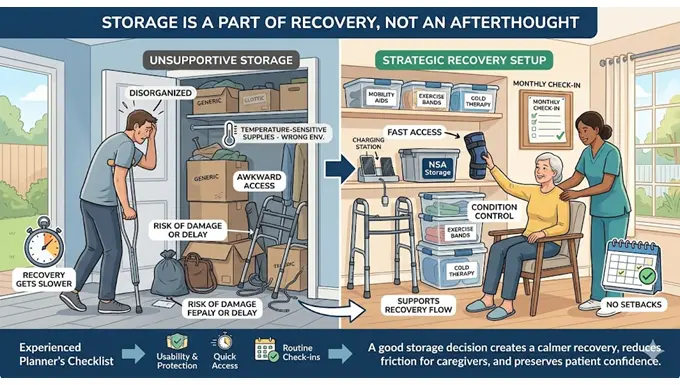
Most falls after hip replacement happen at home, often in the first two weeks. A few simple changes can reduce that risk significantly. Set up your home before you go into hospital, while you still have energy and time.
Room-by-Room Checklist
Walk through your home and imagine moving with a walker or crutches. Anything that requires a sudden turn, a low seat, or a stretch is a problem to fix now.
- Entrance: clear the doorway, remove loose mats, and add a light if the area is dim.
- Living room: raise your usual chair with a firm cushion so your knees stay lower than your hips.
- Bedroom: keep the bed at a height that lets you get in and out easily, and keep a lamp within reach.
- Bathroom: add a raised toilet seat, a shower chair, and a non-slip mat.
- Kitchen: move everyday items to waist height so you do not need to bend or reach.
- Stairs: check handrails are secure and ask about a temporary second rail if needed.
- Flooring: remove rugs and trailing cables, and tape down anything loose.
Home Setup Essentials at a Glance
The table below summarises the items that most patients find genuinely useful. You do not need all of them, so prioritise based on your home and your surgeon’s advice.
| Area | Helpful Item | Why It Helps |
|---|---|---|
| Bedroom | Firm mattress and firm pillow between knees | Keeps hips aligned and makes turning in bed easier |
| Bathroom | Raised toilet seat and shower chair | Avoids deep sitting positions that strain the new hip |
| Living room | Firm, higher chair with armrests | Makes standing up safer and less painful |
| Kitchen | Reacher or grabber tool | Lets you pick up items without bending past the safe limit |
| Walking | Walker, crutches, or cane as advised | Protects the hip and improves balance in early weeks |
| Dressing | Long-handled shoe horn and sock aid | Removes the need to bend down to the feet |
| General | Long phone charger and a small bag or trolley | Keeps essentials nearby so you move less often |
Practical Equipment and Daily Living Aids
Equipment is not a sign of weakness. It is a tool that lets you stay independent while your hip heals. Many hospitals lend or rent these items, and some are available through community services.
Ask your occupational therapist which items suit your home. An occupational therapist can also visit before surgery in some areas and give tailored advice.
- Walker or crutches for the first weeks, then a cane if needed.
- A firm cushion for chairs and car seats.
- A reacher for picking up light objects from the floor.
- Elastic laces or slip-on shoes so you avoid bending.
- A shower sponge with a long handle.
- A leg lifter strap if lifting your operated leg into bed is difficult.
Planning Your First Weeks at Home
The first two weeks are usually the hardest. Planning them in advance turns a stressful period into a manageable one.
Help and Support
You will need help with shopping, cooking, laundry, and possibly personal care for a short time. Ask family, friends, or neighbours in advance rather than waiting until you are home.
- Arrange someone to stay with you for the first few days if possible.
- Stock the freezer with easy meals before surgery.
- Set up online grocery delivery or a regular shopping helper.
- Keep a list of emergency contacts by the phone.
- Ask a neighbour if they can collect post or take out bins for a few weeks.
Medication and Pain Management
Pain control works best when you stay ahead of the pain rather than chasing it. Follow the plan your team gives you and do not stop medication suddenly.
- Use a pill organiser and set phone reminders for doses.
- Take blood thinners exactly as prescribed to reduce clot risk.
- Report heavy bleeding, calf swelling, chest pain, or shortness of breath immediately.
- Keep a note of side effects to discuss at follow-up.
- Avoid alcohol while taking strong painkillers.
Nutrition, Sleep, and Habits That Help
Healing needs fuel. A balanced diet with enough protein supports tissue repair, while good sleep helps your body recover and keeps your mood steadier.
- Include protein at each meal, such as eggs, fish, beans, yoghurt, or lean meat.
- Eat fibre-rich foods and drink enough water to prevent constipation, which is common after surgery.
- Take vitamin D and calcium if your doctor advises it for bone health.
- Stop smoking before surgery if you can, as it slows wound healing.
- Keep a regular sleep routine and nap during the day if you need to.
Conclusion
Preparing for hip replacement is a series of small, sensible steps rather than one big task. Attend your pre-operative appointments, start gentle prehab exercises once you have clearance, and set up your home before you go to hospital. Arrange help, stock your kitchen, and know exactly which medication and equipment you will need. Patients who plan ahead usually find the first weeks after surgery far easier to manage, and they often feel more in control of their recovery from the very beginning.
Frequently Asked Questions
How long before surgery should I start preparing?
Ideally, start as soon as your operation is scheduled. Even a few weeks of gentle strengthening and home adjustments can help. If you have more time, use it to build strength gradually and to arrange equipment and support.
Do I really need to do exercises before hip replacement?
Prehab is not compulsory, but it is strongly encouraged. Patients who arrive at surgery with better muscle strength often find walking, standing, and stairs easier in the early weeks. Always follow the guidance of your surgeon or physiotherapist.
Which tests are usually done before hip replacement?
Common tests include blood work, a urine test, an electrocardiogram, and hip imaging. Some patients also need chest imaging, MRSA screening, or a dental review. Your team will decide based on your medical history.
What equipment should I buy or borrow?
Most patients benefit from a raised toilet seat, a shower chair, a firm cushion, a reacher, and a walking aid. An occupational therapist can tell you exactly which items fit your home and your surgical restrictions.
Can I sleep on my side after hip replacement?
Many surgeons allow side sleeping with a pillow between your knees, but rules vary depending on the surgical approach. Ask your surgeon or physiotherapist for the specific guidance that applies to you.
Should I stop my medications before surgery?
Some medications, particularly blood thinners and certain anti-inflammatory drugs, may need to be paused. Never stop or change any medication on your own. Your surgical team will give you clear instructions with timing.
How much help will I need at home?
Most patients need help with shopping, cooking, cleaning, and sometimes washing for the first week or two. Arrange this in advance so you are not relying on last-minute favours.
When can I return to driving?
This depends on your surgery, your recovery, and the rules where you live. Many people are advised to wait until they can move comfortably, control the pedals, and stop pain medication that affects alertness. Ask your surgeon for a clear answer.
What warning signs should make me call for help?
Seek urgent medical advice for chest pain, shortness of breath, calf swelling or pain, fever, wound discharge, or bleeding that will not stop. These can indicate serious complications that need prompt assessment.
Is swelling and bruising normal after surgery?
Some swelling and bruising around the hip and thigh is common and usually settles over time. Elevating the leg, using ice as advised, and moving regularly can help. Report swelling that suddenly worsens or feels hot and painful.