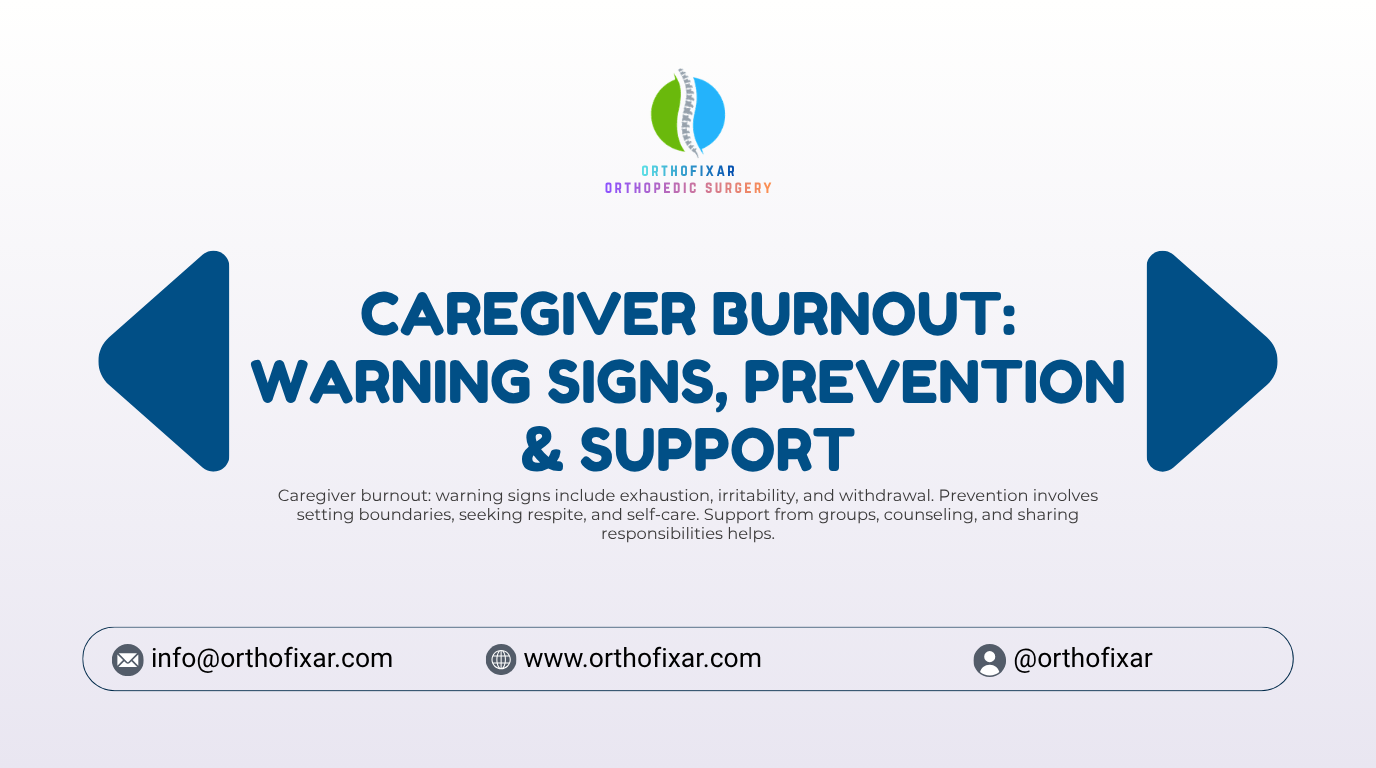
Caring for a loved one is one of the most generous things a person can do. Yet it can also drain your energy, patience, and health. Caregiver burnout is not a sign of weakness; it’s a signal that your own tank is empty. This article explains what caregiver burnout looks like, how to prevent it, and where to find support before you hit a breaking point.
What Is Caregiver Burnout?
Caregiver burnout is a state of physical, emotional, and mental exhaustion caused by prolonged caregiving. It goes beyond ordinary tiredness. It develops when the demands of caring for someone else overpower your ability to recharge.
“You cannot pour from an empty cup. Taking care of yourself is not selfish—it is part of the job.”
Burnout does not happen overnight. It is the result of weeks, months, or even years of sustained pressure without enough recovery. Understanding what burnout feels like is the first step toward changing course.
- Deep exhaustion that does not go away after a good night’s sleep
- A growing sense of resentment toward the person you care for
- Feeling trapped in your role and unsure how to change it
- Losing interest in things that once gave you joy
Warning Signs to Watch For
Burnout rarely announces itself with a loud alarm. It builds quietly, and your body and behavior send signals long before a collapse. Here are the most common warning signs.
Emotional Signs
- Feeling irritable, resentful, or angry toward the person you care for
- Feeling numb or detached from your caregiving role
- Constant worry, dread, or a sense of hopelessness
- Guilt about needing time for yourself
Physical Signs
- Chronic fatigue and trouble falling or staying asleep
- Frequent headaches, stomach problems, or muscle tension
- Getting sick more often because your immune system is weakened
- Changes in appetite or weight
Behavioral Signs
- Withdrawing from friends, family, and activities you used to enjoy
- Skipping your own meals, appointments, or medication
- Using alcohol, junk food, or endless scrolling to escape
- Postponing your own health needs until a crisis appears
Risk Factors That Increase the Odds
Some caregivers are more vulnerable than others. Knowing your risk factors helps you plan before burnout takes hold.
- Caring for someone with dementia, severe disabilities, or complex medical needs
- Providing care without reliable help from siblings, friends, or professional services
- Balancing caregiving with a job, children, or your own chronic illness
- Living far from other family members or feeling isolated in your community
- Facing financial strain because caregiving reduces your work hours
- Sleeping poorly on a regular basis and skipping your own health checkups
Prevention Strategies That Actually Work
Preventing caregiver burnout is not about doing everything perfectly. It is about building daily habits that protect your energy and identity. Small changes can make a big difference.
“Asking for help is not failure. It’s a smart way to keep this work sustainable.”
- Set realistic limits about what you can do, and communicate them clearly.
- Ask for specific help, such as “Could you pick up groceries on Tuesday?” rather than a vague request.
- Take intentional breaks, even if they are only fifteen minutes long.
- Protect at least one personal activity each week that has nothing to do with caregiving.
- Keep up with your own doctor visits, sleep, movement, and meals.
- Join a caregiver support group online or in person.
- Use respite care services to get scheduled time away.
- Write down your feelings in a journal or talk with a trusted friend.
How to Support a Burnt-Out Caregiver
If someone you love is a caregiver, your support can make a huge difference. Avoid vague offers like “tell me if you need anything.” Instead, be specific and consistent.
- Bring a pre-prepared meal and drop it off without staying to visit.
- Offer to sit with the care recipient for two hours so the caregiver can leave the house.
- Take over a recurring task, such as mowing the lawn, picking up prescriptions, or driving to appointments.
- Check in with a short text message, but do not demand a long reply.
- Listen without judging or offering unsolicited advice.
- Remind the caregiver that their feelings are valid and that asking for help is a strength.
A Quick Reference Table: Warning Signs vs. Healthy Coping
Use this table to spot where you stand and what action might help you shift toward healthier patterns.
| Warning Sign | What It May Mean | Healthy First Step |
|---|---|---|
| Feeling exhausted all the time | Your body is running on empty | Block short daily rest times for your own recovery |
| Irritability or resentfulness | You are not having enough emotional release | Talk with a counselor or trusted friend about your feelings |
| Withdrawing from friends | Isolation is increasing | Schedule one low-pressure social contact each week |
| Frequent illness | Immunity is dropping | Prioritize sleep, nutrition, and gentle movement |
| Giving up hobbies | Your identity is shrinking | Do a small enjoyable activity for fifteen minutes every day |
When to Seek Professional Help
Burnout can turn into depression, anxiety, or serious physical illness. Watch for signs that self-help is not enough. If you have persistent hopelessness, panic attacks, thoughts of hurting yourself or the person you care for, or an inability to perform basic daily tasks, contact a healthcare provider or a crisis line immediately.
Caregivers also benefit from professional counseling even before a crisis. Therapists who understand caregiver stress can give you practical coping tools and a safe space to express anger, grief, and frustration without judgment. Your doctor can also point you to local respite programs and social services.
Remember, you are not a machine. Caregiver burnout is not a personal failure; it is a sign that your support system needs strengthening. By recognizing the signs early and taking action, you protect both your loved one and yourself. You deserve care too.
Frequently Asked Questions
What is the difference between caregiver stress and caregiver burnout?
Caregiver stress is the normal physical and emotional response to a demanding situation. Burnout is what happens when that stress becomes chronic and overwhelms your ability to cope. Stress usually improves when the situation improves, while burnout lingers even after the immediate pressure changes.
How long does it take to recover from caregiver burnout?
Recovery time varies depending on how severe the burnout is and what support you have. Some caregivers notice improvement within a few weeks of adding rest and help. Others need several months or more, especially if they are also treating depression or anxiety. The key is to stop pushing yourself and start making sustainable changes.
What should I do if I feel guilty for taking a break?
Remind yourself that breaks are part of caregiving, not a betrayal. Taking time to rest helps you return with more patience and energy. Try to remember that a short break now can prevent a complete collapse later.
Can caregiver burnout affect my physical health?
Yes. Long-term stress from caregiving can raise blood pressure, weaken your immune system, and lead to sleeping problems, digestive issues, and heart disease. This is why self-care is not a luxury—it is a medical priority for caregivers.
How can I find respite care?
Start by asking your loved one’s doctor, local aging agency, or community health center about respite services. Many organizations offer in-home help, adult day centers, and short-term residential care. Even a few hours a week can give you room to breathe.
What are the best support groups for caregivers?
The best group is one that fits your schedule and style. Many national organizations offer free online caregiver support groups and telephone forums. You can also look for condition-specific groups, such as those for dementia, cancer, or Parkinson’s caregivers, because their challenges are very specific.
How do I set boundaries with family who expect me to do everything?
Use clear, specific language without a long apology. Say something like “I can take care of Mom on Monday, Wednesday, and Friday. We need to decide who covers the other days.” Then let the silence sit. Boundaries feel uncomfortable at first, but they protect you and your family relationships.
Is it okay to place my loved one in a care facility?
Yes, if home care is no longer safe for you or the person you are caring for. A care facility can provide medical supervision, social activities, and skilled support. This decision is not failure; it is a way to ensure your loved one receives the right level of care while you protect your own health.
What is caregiver guilt and how do I manage it?
Caregiver guilt is the belief that you are never doing enough or that your own needs should come last. It often shows up when you say no, take a break, or feel resentment. To manage it, name the feeling, challenge the thought, and remind yourself that excellent caregivers also take care of themselves.
What self-care routines make the biggest difference?
Sleep, nourishing meals, and regular short walks are the foundation. Pair those with one activity that is just for you, whether that is reading, calling a friend, or listening to music. Self-care does not have to be complicated. Consistency matters more than perfection.