A growth plate fracture is one of the most common bone injuries in children and teenagers, and it demands quick attention. These fractures affect the soft, developing tissue near the ends of long bones, where future growth happens. Knowing the symptoms, treatment steps, and long-term risks can help parents make informed decisions after an injury.
What Is a Growth Plate Fracture?
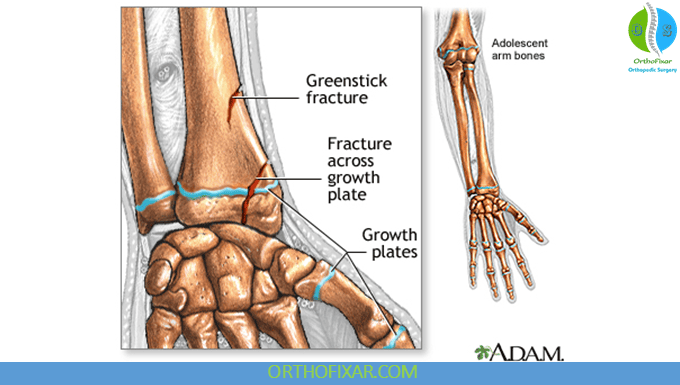
The growth plate, also called the physis, is a layer of developing cartilage located near the ends of a child’s long bones. It is the last area to harden into solid bone, which makes it more fragile than the surrounding bone tissue. Because this area is still maturing, it is especially vulnerable to injury from falls, sports impacts, and repetitive stress.
Growth plate fractures most often occur in:
- Fingers and hands
- Wrists and forearms
- Ankles and feet
- Knees and lower legs
These injuries are unique to children and adolescents. Once a child reaches skeletal maturity, the growth plate closes and is replaced by solid bone, so the risk disappears entirely.
Common Symptoms of a Growth Plate Fracture
Recognizing a growth plate fracture can be challenging because the signs overlap with sprains and other soft-tissue injuries. Pain, swelling, and tenderness are the most frequent symptoms, but some fractures are subtle and easy to overlook.
Watch for the following signs:
- Persistent pain near a joint or at the end of a bone
- Swelling that appears shortly after the injury
- Difficulty moving the affected limb or bearing weight
- Warmth or redness around the injured area
- A visible deformity in severe or displaced fractures
- Ongoing limp or favoring of one limb during daily activities
Example: A young gymnast who lands awkwardly from a vault may feel wrist discomfort that lingers for days. If the pain worsens when pressing on the wrist or twisting the hand, a growth plate fracture should be suspected even if an X-ray looks normal at first.
“A child’s fracture is not simply a smaller version of an adult fracture. The growth plate adds a layer of complexity that changes how the injury is evaluated and treated.”
How Are Growth Plate Fractures Diagnosed?
Doctors begin with a physical examination and a careful review of how the injury happened. They check for tenderness directly over the growth plate, visible swelling, bruising, and limited range of motion. The child’s age and the specific location of pain help narrow down the diagnosis.
Imaging tests are essential to confirm the injury:
- X-rays are the first step and detect most growth plate fractures
- MRI or CT scans may be ordered when the X-ray is inconclusive
- Comparison X-rays of the uninjured limb are sometimes used in younger children
The Salter-Harris classification system is the standard method doctors use to categorize these fractures. It ranges from Type I, a straight break through the growth plate, to Type V, a crushing injury. This classification guides treatment decisions and helps predict the risk of long-term complications.
Treatment Options for Growth Plate Fractures
Treatment depends on the fracture type, its location, the child’s age, and how much the bone fragments have shifted. The main goal is to keep the growth plate aligned so the bone heals correctly and continues to grow normally.
Common treatment approaches include:
- Casting or splinting for stable, non-displaced fractures
- Closed reduction, where the doctor aligns the bone without surgery
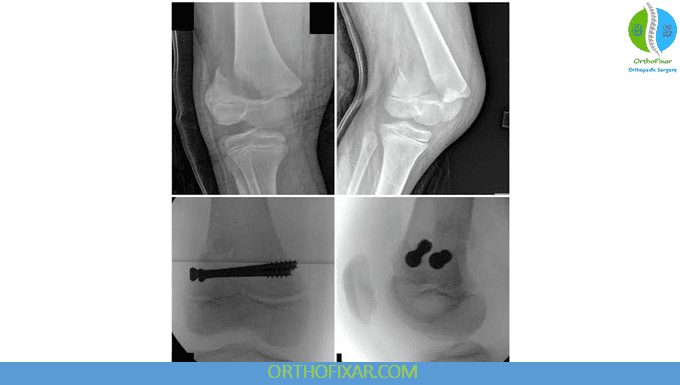
- Surgery with pins, screws, or plates for displaced or unstable fractures
- Follow-up imaging and activity restrictions to monitor healing
| Salter-Harris Type | Description | Typical Treatment |
|---|---|---|
| Type I | Straight fracture through the growth plate | Cast or splint |
| Type II | Fracture through the growth plate and part of the bone shaft | Closed reduction and casting |
| Type III | Fracture through the growth plate and into the joint | Surgery is often required |
| Type IV | Fracture through the growth plate, bone shaft, and joint | Surgery with internal fixation |
| Type V | Crush injury to the growth plate | Surgery, high risk of growth disturbance |
Recovery Timeline and What to Expect
Most growth plate fractures heal within four to six weeks, but the exact timeline depends on the severity and location of the injury. Simpler fractures in younger children often heal faster than complex injuries in teenagers.
Typical recovery milestones include:
- The first one to two weeks focus on pain control and keeping the limb immobilized
- Cast removal occurs after follow-up X-rays confirm good bone healing
- Physical therapy helps restore strength, range of motion, and confidence
- A full return to sports may take three to six months
Example: A basketball player with a Type II ankle fracture might spend six weeks in a cast, followed by four weeks of physical therapy, before gradually returning to practice.
Long-Term Risks and Complications
The most serious concern with a growth plate fracture is premature closure of the growth plate. If the plate closes too early, the affected bone may stop growing while the opposite limb continues normally. This can lead to a limb length discrepancy or angular deformity that becomes more noticeable over time.
Long-term risks to keep in mind:
- Shortening of the affected arm or leg
- Bowing or angulation of the bone
- Joint stiffness and recurring pain that limits activity
- Early-onset arthritis in the injured joint
- Differences in finger or toe alignment after hand or foot injuries
Children who experience growth plate fractures need regular monitoring. Follow-up visits may continue for months or even years after the injury to ensure the bone is growing as expected.
“The final outcome of a growth plate fracture is often determined months or years later, not just at the time of the injury.”
When to See a Doctor Immediately
Some injuries clearly require urgent medical care. Do not wait if a child experiences any of the following after a fall, impact, or sports accident.
Seek immediate medical help for:
- Severe pain that does not improve with rest or over-the-counter pain relievers
- An obvious deformity or abnormal angle in the limb
- Numbness, tingling, or pale skin below the injury site
- An inability to move the affected joint or put any weight on the limb
- Open wounds near the injured area
Prompt treatment is the best way to prevent long-term complications and preserve normal bone growth.
Prevention Tips for Parents and Young Athletes
Not every growth plate fracture can be prevented, but many sports-related injuries are avoidable with the right precautions. Parents, coaches, and young athletes all play a role in reducing risk.
Effective prevention strategies include:
- Using proper safety gear such as wrist guards, knee pads, and sport-appropriate footwear
- Encouraging age-appropriate training that avoids excessive repetitive stress
- Teaching correct landing and falling techniques in sports like gymnastics, skating, and biking
- Allowing adequate rest between practices and games
- Maintaining a diet rich in calcium and vitamin D for strong bone health
- Addressing pain early instead of letting a child play through discomfort
Children who specialize in one sport year-round have higher injury rates than those who try varied activities. Cross-training and regular breaks protect growing bones from overuse injuries and help young athletes stay healthy.
Conclusion
Growth plate fractures are common but highly treatable when addressed early. Parents should take any persistent bone or joint pain in a child seriously and seek professional evaluation without delay. With proper treatment, regular follow-up, and patience during recovery, most children heal fully and return to normal activities without lasting issues.
Frequently Asked Questions
How do I know if my child has a growth plate fracture?
If your child has persistent pain, swelling, or difficulty using a limb after a fall or impact, a doctor should evaluate the injury. X-rays are usually needed to confirm the diagnosis and rule out other injuries.
Can a growth plate fracture heal on its own?
No. Some very mild fractures may seem to improve without treatment, but improper healing can lead to bone deformity, stiffness, and long-term growth problems. Medical evaluation is always recommended.
How long does a growth plate fracture take to heal?
Most growth plate fractures heal in four to six weeks. Complex fractures or those requiring surgery may take longer, and the return to full sports activity often takes several months.
Is surgery always required for a growth plate fracture?
No. Many growth plate fractures are treated with casting or splinting alone. Surgery is only necessary when the bone fragments are displaced or unstable and cannot stay aligned without pins, screws, or plates.
Are growth plate fractures more common in boys than girls?
Yes. Boys experience growth plate fractures more often than girls, partly because they tend to participate in higher-impact sports and because their growth plates close later in adolescence.
Can a growth plate fracture affect a child’s height?
It can, especially if the injury occurs in a leg bone or another area that contributes heavily to overall height. If the growth plate closes prematurely, that limb may stop growing while the opposite side continues.
What is the most common location for a growth plate fracture?
The wrist is the most common location, followed by the ankle and the knee. Falls onto an outstretched hand are the usual cause of wrist growth plate fractures.
Can my child play sports after a growth plate fracture?
Only after a doctor confirms the bone has healed properly. Returning to sports too early can cause re-injury or interfere with healing. Most children are cleared within three to six months.
What is a Salter-Harris fracture?
The Salter-Harris classification is a system that describes five types of growth plate fractures. Types I and II are usually less severe, while Types III, IV, and V carry a higher risk of complications