Understanding Greater Trochanteric Pain Syndrome
Greater trochanteric pain syndrome (GTPS) is one of the most common reasons adults develop pain on the outside of the hip. The condition arises when the soft tissues surrounding the greater trochanter—the bony prominence you can feel on the upper outer thigh, just below the hip—become irritated or damaged. While the discomfort can be persistent and disruptive, the majority of people improve with non-surgical care. Getting an accurate diagnosis matters, because several other hip and spine conditions produce pain in a similar location.
This guide covers what causes GTPS, how clinicians diagnose it, which treatments have the strongest support, and how to approach exercise and self-care. It also addresses the questions patients ask most often, so you can make informed decisions with your healthcare provider.
What Is Greater Trochanteric Pain Syndrome?
GTPS is defined by pain and tenderness around the greater trochanter. The term “syndrome” is deliberate: more than one structure in the region can generate symptoms, and the precise source varies from person to person.
For many years, the condition was labeled trochanteric bursitis, based on the assumption that inflammation of the bursa—a small fluid-filled sac that reduces friction around the tendon—was the primary problem. Modern imaging and surgical findings have changed that view. In most cases, the gluteal tendons are the main source of pain, with bursal inflammation often present as a secondary finding rather than the root cause.
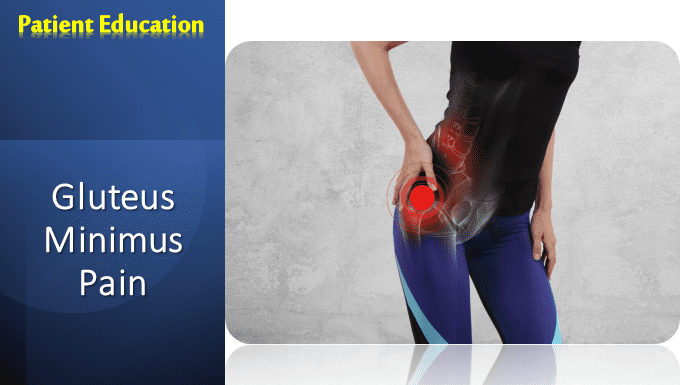
The gluteal tendons connect the gluteus medius and gluteus minimus muscles to the greater trochanter. These muscles stabilize the pelvis during standing, walking, and stair climbing. When they are weak, overloaded, or both, the tendons develop irritation, degeneration, or small tears. The pain that follows is felt at the outer hip rather than deep in the joint.
Why the Terminology Changed
Older terms focused narrowly on bursal inflammation. Imaging studies now show that tendon pathology—tendinopathy or partial tears—is frequently the dominant issue. Using the broader term “greater trochanteric pain syndrome” is more accurate because it describes a regional pain problem with several possible contributors. It also encourages clinicians to evaluate the tendons, bursa, hip joint, and spine rather than assuming a single cause.
Who Develops GTPS?
GTPS is a leading cause of lateral hip pain in adults. It affects women more often than men, particularly in midlife and beyond, though it can occur at any age and in people of all activity levels. Runners, walkers, and individuals who stand or sit for prolonged periods are all represented among those affected.
Many patients have coexisting conditions such as low back pain, knee osteoarthritis, or foot problems. These issues can alter gait mechanics and increase load on the outer hip, contributing to symptom development. Weight gain also raises the mechanical demand on the gluteal tendons and bursa.
What Causes Greater Trochanteric Pain Syndrome?
The condition typically develops from cumulative stress on the gluteal tendons and surrounding bursa. When the hip abductor muscles are weak or the load placed on them exceeds their capacity, the tendons near the greater trochanter become irritated. Over time, this can progress to tendon degeneration and bursal inflammation.
Common Contributing Factors
- Weak hip abductor muscles, particularly the gluteus medius and minimus
- Rapid increases in walking, running, or stair climbing
- Prolonged standing with weight shifted onto one leg
- Frequent sleeping on the affected side
- Wide pelvic anatomy or a prominent greater trochanter
- Previous hip surgery or trauma to the outer hip
- Low back pain or lumbar spine conditions
- Knee or foot problems that alter walking mechanics
- Weight gain that increases load through the hip
- Medications such as corticosteroids that can weaken tendons
Activities That Can Trigger Symptoms
Certain activities place extra demand on the outer hip. Being aware of them can help you avoid flare-ups while you recover.
- Running on cambered roads or uneven terrain
- Repeated stair climbing or hill hiking
- Cycling with a poorly fitted bicycle
- Standing on ladders or working at height
- Lifting heavy objects with poor body mechanics
- Starting a new exercise program too aggressively
Symptoms of Greater Trochanteric Pain Syndrome
The hallmark symptom is pain on the outer side of the hip. It often begins gradually as a dull ache and becomes sharper with specific movements or positions. Many people notice it most when lying on the affected side at night, standing up from a chair, or climbing stairs.
Typical Symptoms
- Pain and tenderness directly over the greater trochanter
- Aching that radiates down the outer thigh
- Pain when lying on the affected side
- Discomfort with prolonged standing or walking
- Pain when climbing stairs or getting out of a car
- A sense of weakness or instability in the hip
- Pain that eases with rest but returns with activity
What GTPS Usually Does Not Cause
GTPS rarely produces pain deep in the groin or true locking of the hip. It also does not typically cause numbness or tingling down the leg. When those symptoms are present, another condition—such as hip joint arthritis or a lumbar spine problem—may be responsible. This is one reason a thorough assessment is important before starting treatment.
How Is GTPS Diagnosed?
Diagnosis begins with a clinical history and physical examination. Your clinician will ask where the pain is located, what aggravates it, and how it affects daily activities. During the exam, the doctor palpates the outer hip and tests the gluteal muscles. Reproduction of pain with direct pressure over the greater trochanter is a key finding.
Physical Tests Your Doctor May Use
- Direct tenderness over the greater trochanter
- Single-leg stance test to assess hip stability and pelvic control
- Resisted hip abduction to load the gluteal tendons
- FABER test to screen the hip joint
- Gait observation for a Trendelenburg pattern (pelvic drop on the unsupported side)
Imaging and Other Tests
Imaging is not always necessary. Many cases can be diagnosed confidently from history and examination alone. When symptoms are severe, atypical, or not improving, your doctor may order an ultrasound or MRI. These can reveal tendon thickening, degeneration, partial tears, or bursal fluid.
X-rays are sometimes used to rule out hip joint arthritis or other bony problems. Blood tests may be checked if an inflammatory or systemic condition is suspected.
Conditions That Can Mimic GTPS
Several other problems can produce similar pain. Distinguishing them helps guide appropriate treatment.
- Hip joint osteoarthritis
- Lumbar spine disorders, including nerve root irritation
- Gluteal tendon tears
- Femoral neck stress fracture
- Avascular necrosis of the hip
- Sciatica or piriformis-related pain
- Referred pain from the sacroiliac joint
GTPS Compared With Other Hip Conditions
Understanding how common hip conditions differ can help you recognize your symptoms and communicate more effectively with your clinician.
| Condition | Main Pain Location | Typical Pattern | Key Clue |
|---|---|---|---|
| Greater trochanteric pain syndrome | Outer hip | Worse with lying on side, stairs, standing | Tenderness over the greater trochanter |
| Hip osteoarthritis | Groin, sometimes buttock | Worse with walking, morning stiffness | Limited hip rotation |
| Lumbar radiculopathy | Buttock and leg, often below the knee | Shooting pain, numbness, tingling | Neurological signs on exam |
| Gluteal tendon tear | Outer hip | Weakness with standing and walking | Positive single-leg stance, MRI findings |
| Femoral neck stress fracture | Groin or anterior thigh | Pain with weight bearing, worsening over time | History of overuse, imaging needed |
Treatment Options for Greater Trochanteric Pain Syndrome
Most people improve with conservative care. Treatment aims to reduce pain, strengthen the hip muscles, and address the movement patterns that contributed to the problem. Recovery often takes weeks to months, and consistency matters more than speed.
Self-Care and Activity Modification
Small changes can reduce irritation while tissues heal. The goal is to remain active without provoking pain.
- Avoid sleeping on the painful side, or place a pillow between your knees
- Reduce stair climbing and hill walking temporarily
- Take breaks from prolonged standing
- Use a cushion when sitting to reduce pressure on the outer hip
- Apply ice for 10 to 15 minutes after activity
- Maintain a healthy weight to reduce load through the hip
Physical Therapy
Physical therapy is the cornerstone of treatment. A therapist will assess your strength, movement quality, and walking pattern. Treatment typically focuses on strengthening the gluteal muscles and improving hip control, while also addressing the lower back, pelvis, and legs.
- Gluteus medius and minimus strengthening
- Core and pelvic stability exercises
- Hip abductor and external rotator training
- Gait retraining to reduce pelvic drop
- Stretching of tight hip and thigh muscles
- Gradual return to sport and daily activities
Pain Relief Options
Medications and injections can help control pain so you can participate in rehabilitation. They are not a cure on their own. Over-the-counter pain relievers may be used short term, and topical gels help some people.
Corticosteroid injections into the bursa or tendon area can reduce pain quickly. However, repeated injections may weaken tendons, so they are used judiciously and typically combined with physical therapy.
When Injections Are Considered
Injections are often used when pain is severe or when therapy is limited by pain. They can provide a window of relief that allows rehabilitation to progress. Your doctor will discuss the benefits and risks, including the small chance of infection or tendon damage.
Shockwave Therapy and Other Options
Extracorporeal shockwave therapy is sometimes used for chronic tendon problems. Evidence for its benefit is mixed, but it may help some patients. Platelet-rich plasma injections are also used in certain settings, though more research is needed to confirm their effectiveness for this condition.
Surgery
Surgery is rarely needed. It may be considered when symptoms persist despite months of well-conducted conservative care. Procedures can include bursectomy, tendon repair, or release of tight tissue, depending on the specific problem identified on imaging. Recovery after surgery takes time and usually includes physical therapy.
Exercises for Greater Trochanteric Pain Syndrome
These exercises are commonly used to strengthen the hip. Start gently and stop if pain increases. A physical therapist can tailor a program to your specific needs; the list below is a general guide, not a substitute for professional advice.
Beginner Exercises
- Clamshells: lie on your side with knees bent and lift the top knee
- Side-lying leg lifts: keep the leg straight and lift slowly
- Bridging: lie on your back and lift the hips while squeezing the glutes
- Standing hip abduction: hold a chair and lift the leg out to the side
Intermediate Exercises
- Single-leg stance: stand on one leg near a support
- Step-downs: slowly lower one foot off a low step
- Resistance band walks: side-step with a band around the knees
- Wall sits: hold a seated position against a wall
Advanced Exercises
- Single-leg squats with support
- Lateral lunges
- Hip hikes on a step
- Running drills with attention to pelvic control
Tips for Exercising Safely
Start with a small number of repetitions and increase gradually. Mild discomfort during exercise is common, but sharp pain is a sign to stop. Warm up before exercising and cool down afterward, and give your muscles time to recover between sessions.
How Long Does Recovery Take?
Recovery varies from person to person. Many people notice improvement within a few weeks of starting treatment, while full recovery can take several months, especially when tendon changes are long-standing. Patience and consistency are key. Some people experience mild symptoms that come and go; continuing your exercises helps prevent flare-ups.
Preventing Greater Trochanteric Pain Syndrome
Prevention focuses on keeping the hip muscles strong and managing load. These habits can reduce the risk of recurrence.
- Strengthen the gluteal muscles regularly
- Increase activity levels gradually
- Wear supportive footwear
- Maintain a healthy body weight
- Take breaks from prolonged standing
- Address low back and knee problems early
- Use good posture when sitting and lifting
When to See a Doctor
See a healthcare provider if pain does not improve with rest and self-care, or if it interferes with sleep or daily activities. Seek urgent medical attention if you have severe pain, cannot bear weight, or notice sudden weakness. These may signal a more serious problem. Early assessment can help you get the right treatment and avoid long-term issues.
Living With Greater Trochanteric Pain Syndrome
Day-to-day adjustments can make a meaningful difference. Planning activities and pacing yourself helps control symptoms. Many people find that a combination of exercise, activity modification, and occasional pain relief keeps them comfortable. Support from a physical therapist can help you stay on track. Setting realistic goals is also important: progress may be slow, but most people do improve over time.
Conclusion
Greater trochanteric pain syndrome is a treatable cause of outer hip pain. It usually involves the gluteal tendons and bursa rather than the hip joint itself. Most people recover with activity modification, physical therapy, and a gradual strengthening program. Injections and surgery are reserved for cases that do not respond to conservative care. If you have persistent outer hip pain, see a healthcare professional for an accurate diagnosis. With the right plan, you can return to the activities you enjoy.
Frequently Asked Questions
Is greater trochanteric pain syndrome the same as trochanteric bursitis?
They are related but not identical. Trochanteric bursitis refers specifically to inflammation of the bursa, while greater trochanteric pain syndrome is a broader term that includes bursal inflammation as well as gluteal tendon problems, which are often the main source of pain.
Can greater trochanteric pain syndrome go away on its own?
Mild cases may improve with rest and activity changes. However, symptoms often return without strengthening the hip muscles. A structured program gives the best chance of lasting relief.
Should I rest completely or keep moving?
Complete rest is usually not recommended. Gentle activity helps maintain strength and circulation. The goal is to modify activities that cause pain while staying as active as possible.
Is walking good or bad for this condition?
Walking can be helpful if it does not increase your pain. Short, frequent walks on flat ground are often better than long walks on hills. If pain worsens, reduce the distance and build up slowly.
How long do corticosteroid injections last?
Relief from an injection can last from a few weeks to several months, and the effect varies between people. Injections are usually combined with physical therapy for the best results.
Can I sleep on the painful side?
Sleeping on the affected side often makes pain worse. Try sleeping on your back or the other side. If you do sleep on the painful side, place a pillow between your knees to reduce pressure.
What exercises are best for this condition?
Strengthening the gluteal muscles is the main focus. Clamshells, side-lying leg lifts, bridges, and single-leg stance exercises are common starting points. A physical therapist can tailor a program for you.
Do I need an MRI or ultrasound?
Not always. Many cases are diagnosed by history and physical exam. Imaging may be ordered if symptoms are severe, not improving, or if a tendon tear is suspected.
Can I continue running with greater trochanteric pain syndrome?
It depends on your pain level. Some people can continue with reduced mileage and pace. Others need to pause running while they strengthen the hip. Discuss this with your healthcare provider.
When is surgery needed?
Surgery is rarely needed. It may be considered if symptoms persist after several months of conservative treatment. Procedures may include bursectomy or tendon repair, followed by rehabilitation.