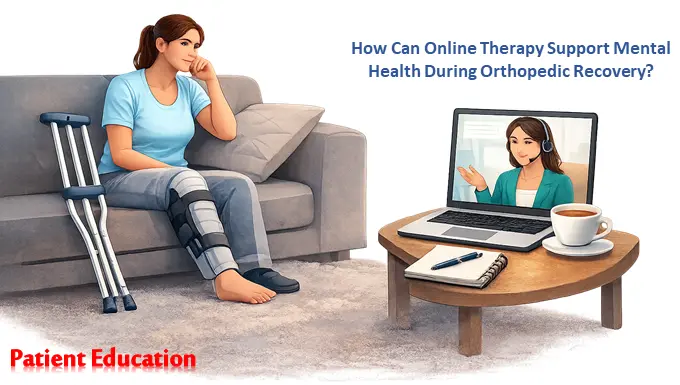
Rehabilitation of orthopedic recovery is usually accompanied by emotional tension as well as physical restrictions. Slow movement may have an impact on mood, attention, patience, and sleeping habits. This phase can make many individuals worry, become frustrated, or lose control. The emotions are taken care of when the body is getting stronger. Guidance in conversations will assist individuals to cope with thoughts, feelings, and reactions when mobility is limited. Mental balance enhances confidence that promotes consistent recovery. Through effective counseling, individuals are able to feel listened to, understood, and encouraged as they learn to adjust to new schedules and daily restrictions.
Emotional Stability Support
After orthopedic recovery, emotional shifts may appear without warning. Reduced independence can create stress, sadness, or self-doubt. Structured mental support helps individuals express concerns without pressure. Therapy sessions guide reflection, encourage calm thinking, and improve coping habits. During this stage therapy online offers flexible emotional guidance that aligns with physical limitations. Sessions fit recovery schedules without adding strain. This approach supports steady emotional balance through consistent communication.
Stress Management Tools
Simple techniques help reduce tension during limited movement periods.
- Guided breathing methods lower stress reactions during long rest hours.
- Thought awareness practices reduce worry linked to slow physical improvement.
- Calm focus exercises help manage restlessness during extended recovery phases.
Coping Skill Development
Learning coping skills strengthens mental control during recovery challenges. Structured discussions teach how to reframe negative thoughts, build patience, and accept progress pace. Individuals gain awareness of emotional triggers related to pain limits or delays. These skills reduce emotional setbacks and support positive daily habits. Over time, confidence improves, leading to better cooperation with recovery routines and personal goals.
Motivation Maintenance Methods
Maintaining drive during recovery requires gentle encouragement:
- Goal-setting guidance helps track small wins without pressure.
- Positive self-talk methods build inner strength during slow progress days.
- Routine planning support maintains structure despite limited physical activity.
Sleep Pattern Support
Sleep issues often appear due to discomfort, anxiety, or routine changes. Therapy guidance addresses thoughts that interrupt rest. Relaxation strategies calm the mind before bedtime. Behavioral guidance improves bedtime habits and mental readiness. Better sleep supports healing energy, emotional balance, and daily motivation during recovery periods.
Confidence Building Steps
Rebuilding self-trust is essential during the healing stages:
- Encouraging dialogue helps restore belief in personal recovery ability.
- Emotional reinforcement reduces fear linked to physical limitations.
- Self-awareness practices support acceptance of a gradual improvement pace.
Personalized Progress Guidance
Every recovery process is different in speed and reaction. Individualized mental sessions are flexible to personal emotions, aspirations, and struggles. Support is based on the existing emotional needs without being judgmental. This personalized strategy enhances resilience, fosters realistic expectations, and facilitates the gradual mental development. Emotional preparedness enhances involvement in everyday activities as well as observing physical limits.
Steady Healing Path
Mental patience, strength, and clarity of emotions are required in the orthopedic recovery. Guided support that provides an opportunity to cope with the stress, sleep better, boost confidence, and alleviate isolation. Emotional care, coupled with physical healing, offers both balanced and sustainable results. Online therapy offers flexible services that are respectful of the pace and enhance mental robustness. Through a constant reminder, people become calm, more motivated, and focused, which results in a healthier recovery process and development of self-trust.
FAQs
How does online therapy help emotional balance during recovery?
It supports stress control, mood stability, and confidence while adapting to physical limits.
Can therapy sessions fit limited mobility schedules?
Yes, sessions adjust timing and format to suit recovery routines.
Is emotional support important for physical healing
Mental clarity improves motivation, sleep quality, and cooperation with recovery efforts.