If you are dealing with elbow pain and have heard the term “UCL,” you likely want clear answers. The ulnar collateral ligament (UCL) is a strong band of tissue on the inner side of the elbow that stabilizes the joint during throwing and overhead movements. This guide explains what a UCL injury of the elbow feels like, how doctors diagnose it, and what treatment and recovery really look like for a patient.
What Is the UCL and Why Does It Matter?
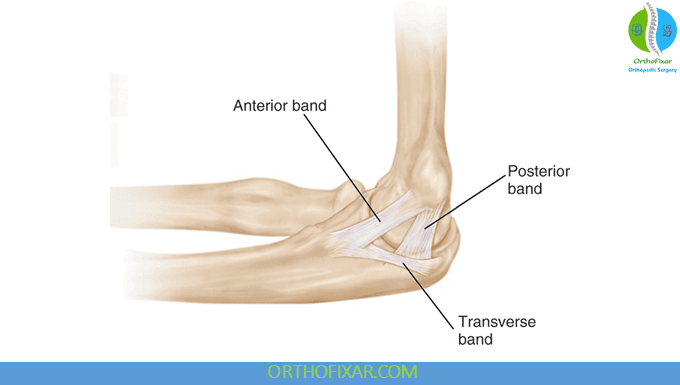
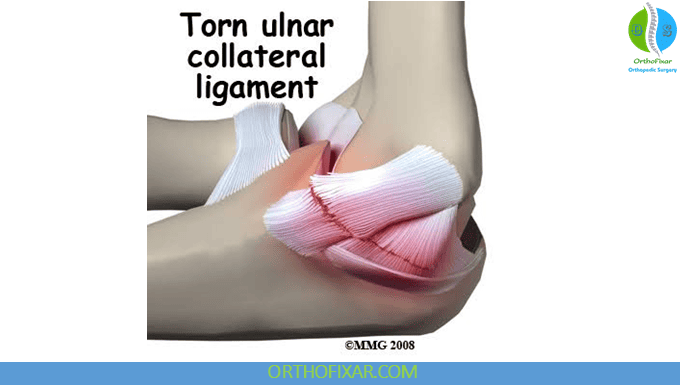
The UCL connects the humerus in the upper arm to the ulna in the forearm. It works like a hinge stabilizer, especially when the elbow bends and twists under stress. Athletes who throw repetitively, such as baseball pitchers, javelin throwers, and tennis players, rely on the UCL every time they accelerate their arm.
- It prevents the elbow from shifting too far inward during overhead motion.
- It supports the elbow during high-speed release actions like throwing a baseball or serving a tennis ball.
- It becomes more vulnerable after repeated stress, poor throwing mechanics, or sudden trauma.
Common Causes and Risk Factors
A UCL injury of the elbow usually develops gradually from repetitive strain, but it can also happen suddenly after a single forceful movement. The most common cause is repeated overhead throwing, especially at high speeds or with poor technique.
- Sports like baseball, softball, football, javelin, and tennis.
- Frequent throwing with insufficient rest between sessions.
- Weak shoulder, core, or leg strength that forces the elbow to absorb too much load.
- A direct blow to the bent elbow, such as a fall or collision.
Symptoms of a UCL Injury
Symptoms may appear suddenly after a pop or gradually as a dull ache. Pain is usually felt on the inner side of the elbow, and it often worsens when you throw or lift something.
- Pain and tenderness along the inside of the elbow.
- Swelling or a feeling of tightness at the joint.
- A popping or tearing sensation during an acute injury.
- Numbness or tingling in the ring and little fingers if the nearby ulnar nerve is irritated.
- Loss of pitching speed or trouble with throwing accuracy.
- Stiffness in the elbow after rest or throwing.
Some patients feel fine during daily tasks but notice pain only when they throw hard or perform repetitive elbow motions.
How Is a UCL Injury Diagnosed?
Your doctor will start by asking about your activity level and exactly when the pain began. A physical exam often includes applying pressure to the inner elbow and moving the joint into positions that stress the ligament. If the elbow feels unstable or uncomfortable, a UCL injury is likely.
Imaging tests are commonly used to confirm the diagnosis and assess the severity:
- X-ray: Helps rule out bone fractures or arthritis.
- MRI: Shows the ligament fibers and can grade the injury as a sprain or tear.
- Ultrasound: Can provide dynamic imaging while the elbow moves.
An MRI is often the most useful test because it reveals the exact location of the damage, whether it is partial or complete, and whether the ulnar nerve is involved.
“I remember the exact pitch that caused a pop. At first I thought it was just arm fatigue, but the MRI showed a partial UCL tear. Getting an early diagnosis saved my season.”
Treatment Options: Nonsurgical vs. Surgical
Your treatment plan depends on the severity of the injury, your activity level, and your goals. Many partial tears can heal without surgery if you follow a structured program. Complete tears, especially in high-level throwing athletes, often require surgery.
Nonsurgical Treatment
For mild sprains and partial tears, nonsurgical treatment is usually the first choice. This approach focuses on reducing pain, restoring motion, and gradually rebuilding strength.
- Rest: Stop throwing for a set period so the ligament can settle down.
- Ice and anti-inflammatory medication: Help reduce swelling and pain after activity.
- Physical therapy: Focuses on shoulder mobility, core stability, and forearm strength to take pressure off the elbow.
- Gradual return: A step-by-step throwing program begins only when pain-free.
Surgical Treatment (Tommy John Surgery)
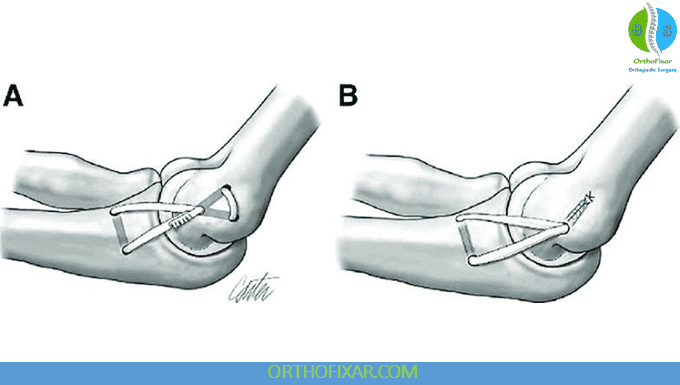
Surgery is considered when the ligament is completely torn, when nonsurgical treatment fails, or when a patient needs to return to high-level throwing. Tommy John surgery, also called UCL reconstruction, uses a tendon graft to rebuild the ligament.
That being said, not everyone who has a full tear needs surgery. A non-athlete or someone who does not perform repetitive overhead motions may manage fine with conservative care.
“Recovery isn’t just about the ligament. Your whole throwing chain has to be rebuilt from the ground up.”
Recovery Timeline and Rehabilitation
Recovery after a UCL injury is often longer than patients expect. Nonsurgical recovery can take several weeks to months, while surgical recovery typically spans many months. The exact timeline depends on your starting point and the severity of the tear.
| Phase | Main Focus | Typical Activities |
|---|---|---|
| Early protection | Protect the ligament and reduce pain | Rest, ice, gentle range-of-motion exercises |
| Restoration of strength | Rebuild elbow and shoulder strength | Isometric exercises, light resistance training |
| Sport-specific training | Prepare for throwing or overhead motion | Throwing progression, plyometrics, sport drills |
| Return to full activity | Maintain conditioning and prevent reinjury | Competitive throwing, full training load |
Keep in mind that these phases are general guidelines. Your therapist will adjust the plan based on how your elbow responds. Pushing too hard too early is the most common cause of setbacks.
Practical Tips for Daily Life and Returning to Activity
During recovery, even simple tasks like carrying groceries or opening a door may cause discomfort. Use your unaffected arm when possible, and avoid sudden twisting movements with the injured elbow.
- Use a pillow or armrest to keep the elbow comfortable at night.
- Ask your therapist about supportive tape or a brace for specific activities.
- Focus on hip and shoulder exercises so your arm does not have to do all the work.
- Pay attention to early warning signs like sharp pain or lingering soreness after activity.
- Return to throwing only after you have completed a structured, pain-free progression.
For example, a baseball pitcher returning from a UCL injury may start with short, low-effort throws and gradually increase distance and intensity over several weeks. A patient who does not participate in sports may simply progress from daily activities to light fitness routines.
When to See a Doctor
You should see a doctor if you felt a pop near the elbow, have persistent inner elbow pain that does not improve with rest, or cannot straighten your arm fully. Early assessment matters because a delay in treatment can turn a mild sprain into a more complex injury.
If you have numbness or tingling in your hand, or if the elbow joint looks deformed, seek medical attention as soon as possible.
Conclusion
A UCL injury of the elbow can be frustrating, especially if you are active in sports or physical work. The good news is that most injuries respond well to a structured plan, whether that involves nonsurgical rehabilitation or surgery. The best approach is to get a proper diagnosis, follow your therapist’s guidance, and avoid rushing back to full activity before the ligament is ready.
Frequently Asked Questions
Can a UCL injury heal without surgery?
Yes, many partial UCL injuries can heal without surgery. Mild sprains and small tears often respond to rest, physical therapy, and a gradual return to activity. Complete tears in non-athletes may also heal with conservative care if the elbow is stable enough for daily life.
How long does it take for a UCL injury to heal?
A minor UCL sprain can take a few weeks to improve, while a partial tear may require several months of rehabilitation. Surgical recovery customarily takes longer, often requiring a structured plan before a full return to throwing. The final timeline varies from person to person.
What does a UCL tear feel like?
A UCL tear often feels like a sudden sharp pain or a popping sensation on the inside of the elbow. You may lose the ability to throw at full force, and the elbow may feel unstable or sore when you move it.
Do I need an MRI to diagnose a UCL injury?
An MRI is the most detailed imaging test for the UCL and is very helpful when the diagnosis is unclear or when surgery is being considered. However, your doctor may start with an X-ray and a physical exam before ordering an MRI.
What is Tommy John surgery?
Tommy John surgery is a procedure to reconstruct the UCL using a donor tendon from another part of the body. It is named after the former baseball pitcher who was the first to undergo the operation. This surgery is typically reserved for those who need to return to high-demand throwing or when the ligament cannot be repaired.
Can I still lift weights with a UCL injury?
Some lifting exercises may be safe, but you should avoid heavy pulling or pressing movements that stress the inner elbow. Before lifting weights, talk to your doctor or physical therapist about which exercises are appropriate for your specific stage of recovery.
When can I throw again after a UCL injury?
You can start a throwing progression only after you have full range of motion, no pain during daily activities, and adequate strength in your shoulder and forearm. The progression usually starts with easy short-distance throws and increases gradually over many weeks.
What is the difference between a UCL sprain and a UCL tear?
A sprain means the ligament is stretched or partially damaged. A tear, especially a complete tear, means the ligament is separated and may cause joint instability. Both can cause pain, but a tear typically requires a longer recovery and possibly surgical repair.
Are there braces for UCL injuries?
There are hemiepiphyseal braces and hinged elbow sleeves, but they are not a cure. A brace can support the joint during specific activities or protect it after surgery, but it does not replace strengthening exercises or good throwing mechanics. Ask your clinician if a brace is useful for your situation.
What happens if I ignore a UCL injury?
Ignoring a UCL injury usually leads to worsening pain, more ligament damage, and loss of throwing function. Chronic instability can also make the elbow more prone to arthritis and nerve irritation over time. Early treatment gives you the best chance of a full recovery.