Prepatellar bursitis is a common knee condition that occurs when the small fluid-filled sac (bursa) in front of your kneecap becomes inflamed. This article explains the causes, symptoms, treatment options, and prevention strategies for prepatellar bursitis, helping you understand how to manage this painful condition and when to seek medical care.
What Is Prepatellar Bursitis?
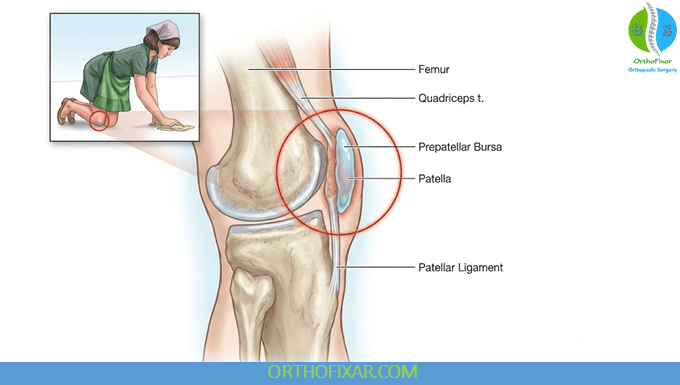
Prepatellar bursitis is the inflammation of the bursa located between the skin and the patella (kneecap). This bursa acts as a cushion to reduce friction between the bone and the skin during movement.
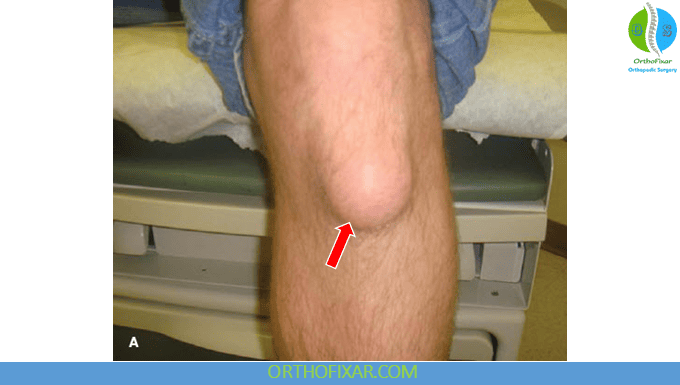
When the bursa becomes irritated, it swells and fills with excess fluid, causing a visible bump on the front of the knee. The condition is sometimes called “housemaid’s knee” or “carpet layer’s knee” because it often affects people who kneel for long periods.
Common Causes
Repetitive pressure or direct trauma to the front of the knee are the main triggers. Several activities and situations increase your risk.
- Prolonged kneeling – Jobs like flooring, roofing, gardening, or house cleaning put constant pressure on the bursa.
- Direct blow to the knee – Falls, sports impacts, or hitting the knee against a hard surface can cause acute inflammation.
- Infection – Bacteria may enter through a small cut or scrape over the kneecap, leading to septic bursitis.
- Underlying medical conditions – Gout, rheumatoid arthritis, or pseudogout can trigger bursitis without direct pressure.
- Overuse from sports – Wrestlers, volleyball players, and gymnasts frequently develop this condition.
“I used to kneel for hours while tiling floors. One day my knee became hot, swollen, and tender. My doctor diagnosed prepatellar bursitis and explained that changing my work position was the only way to prevent it from coming back.” – A patient experience shared on a health forum.
Recognizing the Symptoms
The most obvious sign is a soft, fluid-filled swelling on the front of your kneecap. Symptoms may develop gradually or appear suddenly after injury.
- Swelling directly over the kneecap that looks like a small dome.
- Pain when bending or straightening the knee, especially during kneeling or squatting.
- Tenderness to the touch over the swollen area.
- Redness and warmth around the knee, which may indicate infection.
- Limited range of motion due to discomfort or tightness.
- Fever or chills (seek emergency care if these occur, as they suggest septic bursitis).
How Is Prepatellar Bursitis Diagnosed?
A healthcare provider can usually diagnose prepatellar bursitis based on your history and a physical exam. They will look for swelling, tenderness, and warmth over the kneecap.
To confirm the cause, the doctor may order additional tests:
| Test | Purpose |
|---|---|
| Clinical examination | Identify swelling, pain pattern, and range of motion |
| Bursa fluid aspiration | Remove fluid to check for infection or crystals (gout) |
| X-ray | Rule out fractures or bone spurs |
| Ultrasound or MRI | Assess bursa thickness and rule out other knee problems |
“Your doctor may aspirate the bursa fluid both to relieve pressure and to send it for analysis. This is the most reliable way to tell if the bursitis is septic (infected) or non-septic.” – Orthopedic surgery guideline summary.
Treatment Options
Treatment depends on whether the bursitis is sterile or infected. Most cases improve with conservative care, while septic bursitis requires antibiotics and drainage.
Conservative (Non-Surgical) Treatment
- Rest and activity modification – Avoid kneeling, squatting, or direct pressure on the knee for at least 1–2 weeks.
- Ice packs – Apply ice wrapped in a cloth for 15–20 minutes several times a day to reduce swelling.
- Compression – Use an elastic knee sleeve or wrap to limit fluid buildup.
- Elevation – Keep the leg elevated when sitting or lying down to help fluid drain.
- Anti-inflammatory medications – Over-the-counter NSAIDs like ibuprofen or naproxen can relieve pain and swelling.
- Bursa aspiration – Removing fluid with a needle provides immediate relief and can be combined with a corticosteroid injection to reduce inflammation.
Treatment for Septic (Infected) Bursitis
- Oral or intravenous antibiotics directed at the specific bacteria identified in the fluid culture.
- Repeated aspiration or surgical drainage if the infection does not clear.
- Hospitalization may be necessary for severe cases with high fever or spreading redness.
Surgery
In rare cases where the bursitis does not resolve after several months of conservative treatment, a surgeon may remove the entire bursa (bursectomy). This is an outpatient procedure with a relatively quick recovery.
Prevention Strategies
You can significantly lower your risk of developing prepatellar bursitis by making small changes to how you work, exercise, and care for your knees.
- Use knee pads – Wear cushioned knee pads or use a kneeling pad whenever you kneel at work or in the garden.
- Take regular breaks – Avoid kneeling for more than 20 minutes without standing and walking around.
- Alternate positions – Switch between kneeling, squatting, and sitting to distribute pressure.
- Protect your knees – If you play contact sports, wear knee braces or padding.
- Keep skin intact – Clean any cuts or scrapes on your knee immediately with soap and water to prevent bacteria from entering the bursa.
- Manage underlying conditions – If you have gout or rheumatoid arthritis, keep them well-controlled with medication and lifestyle measures.
When to See a Doctor
Most cases of prepatellar bursitis can be managed at home, but you should see a healthcare provider if:
- The swelling is very large or rapidly increasing.
- You have a fever, chills, or red streaks spreading from your knee.
- The knee is warm to the touch and painful even when resting.
- You have a cut or scrape over the swollen bursa.
- Home care does not improve symptoms after a week.
If you suspect infection, seek medical attention right away. Septic bursitis can spread to the joint or bloodstream if not treated promptly.
Recovery and Outlook
With proper treatment, most people recover fully within 2 to 6 weeks. Non-infected prepatellar bursitis often resolves with rest and ice alone. If you need aspiration, the fluid may reaccumulate, but that does not mean treatment failed.
Preventing recurrence is the key. Once the bursa has been inflamed, it is more prone to future episodes if you return to the same kneeling activities without protection. Using knee pads consistently and taking breaks can keep your knees healthy for years.
For those who develop chronic or recurrent bursitis, surgical removal of the bursa offers a permanent solution. After a bursectomy, the knee functions normally without the bursa because the body adapts.
Conclusion
Prepatellar bursitis is a painful but treatable condition. Understanding the causes—especially prolonged kneeling and direct blows—helps you take proactive steps to prevent it. If you notice swelling over your kneecap, start with rest, ice, and over-the-counter anti-inflammatories. Seek medical advice if signs of infection appear or if symptoms persist. With the right care, you can return to your daily activities without knee pain.
Frequently Asked Questions
What is the fastest way to get rid of prepatellar bursitis?
Resting the knee and applying ice several times a day is the fastest home approach. If the swelling is significant, your doctor can aspirate the fluid, which often provides immediate relief. Combining aspiration with a corticosteroid injection can speed recovery further.
Can prepatellar bursitis go away on its own?
Yes, mild cases of non-infected prepatellar bursitis often resolve within a few weeks with rest, ice, and avoidance of kneeling. However, if the swelling persists or worsens, treatment may be needed.
How can I tell if my prepatellar bursitis is infected?
Signs of infection include redness, warmth spreading beyond the kneecap, fever, chills, or pain that increases even when you are not moving. A foul-smelling or cloudy fluid from aspiration also indicates infection. Always consult a doctor if you suspect infection.
Is it safe to drain prepatellar bursitis at home?
No. Never attempt to drain the bursa yourself. You risk introducing bacteria, causing severe infection, or damaging surrounding structures. Only a healthcare professional should perform aspiration under sterile conditions.
Can I still walk with prepatellar bursitis?
Yes, walking is usually possible and may even help maintain joint mobility. Avoid activities that require bending the knee deeply or putting direct pressure on the kneecap. If walking hurts, use crutches temporarily.
Should I wear a knee brace for prepatellar bursitis?
A compressive knee sleeve can help reduce swelling and provide support. Avoid rigid braces that press directly on the front of the knee. A patellar strap or soft sleeve with a pad is a good choice.
How long does it take to recover from prepatellar bursitis surgery?
After a bursectomy, most people return to normal activities within 3 to 6 weeks. You may need to avoid heavy kneeling for about 4 weeks. Your surgeon will give specific instructions for protection and rehabilitation.
What activities should I avoid with prepatellar bursitis?
Avoid kneeling, squatting, lunges, deep knee bends, and any activity that places direct pressure on the front of your kneecap. Also avoid contact sports until the swelling subsides.
Can prepatellar bursitis be a sign of something more serious?
Usually not, but it can be associated with systemic conditions like gout, rheumatoid arthritis, or pseudogout. If you have recurrent bursitis without obvious cause, your doctor may test for these underlying issues.
Will prepatellar bursitis come back after treatment?
Yes, recurrence is common if you return to the same kneeling routines without using knee pads or taking breaks. Preventing recurrence relies on lifestyle changes. Surgical removal of the bursa permanently resolves the problem.