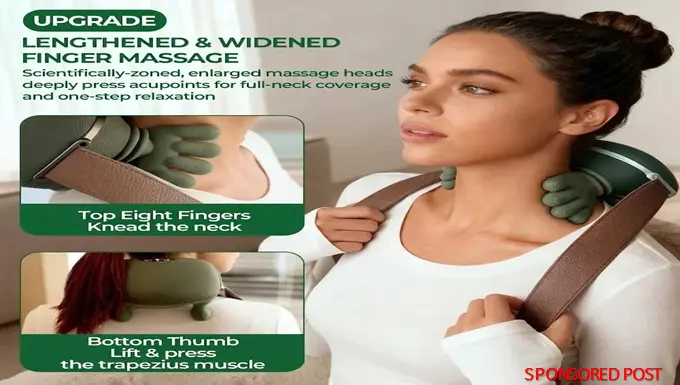
Bionic Finger massager devices are often discussed in relation to muscle comfort and relaxation support. People experiencing myofascial pain relief needs, neck muscle tension, and trigger point discomfort sometimes explore such tools for non-medical support. A Hand Simulated Neck shoulder massager is also commonly used for general relaxation of stiff neck and shoulder muscles. These tools are design to provide comfort not clinical treatment.
In many cases myofascial tension relief is needed when soft tissue becomes tight. This is due to posture issues, stress or repetitive strain. Symptoms may include trigger points, muscle stiffness and reduce movement. The Neck and Shoulder Massager category is often use for easing mild discomfort and support daily relaxation routines.
This article explains how Bionic finger massager concepts relate to muscle tension, trigger points and soft tissue discomfort. It also covers causes and management strategies. Especially when professional care is needed for trigger point pain and muscle tightness relief.
What Is Myofascial Pain?
Myofascial pain is condition that affects muscles and fascia together. It is strongly linked with muscle trigger points which feel like small knots inside tight muscles. These knots can cause local or referred pain. Fascia pain syndrome is often related to muscle knot pain and chronic discomfort. It commonly affect neck, shoulders and upper back and pain may worsen with movement or pressure.
Chronic muscle pain develop when trigger points stay active for a long time. This reduces normal muscle function and comfort. It may also limit movement in the neck region. In many cases, myofascial pain relief strategies are needed to improve daily comfort and reduce sensitivity in soft tissues. The use of Bionic Finger Neck and shoulder massager or a Bionic finger massager is sometimes considered for relaxation support, along with a Neck and Shoulder Massager for mild stiffness relief.
Common Triggers of Myofascial Tension
Lifestyle strain and posture-related stress
Myofascial tension often develops from daily habits. Poor posture pain is one of the main causes. Long sitting hours increase stress on neck muscles and upper back.
Desk job strain and repetitive strain injury are also common contributors. These factors slowly increase neck strain causes and muscle overload.
The use of Bionic Finger massager is sometimes explored for comfort, but lifestyle correction remains more important.
Stress and repetitive overload factors
Stress muscle tension is another major trigger. Emotional stress keeps muscles semi-contracted for long period and leads to stiffness and discomfort.
Common triggers include:
- Poor posture pain
- Stress muscle tension
- Desk job strain
- Repetitive strain injury
- Neck strain causes
- Lack of movement breaks
These triggers increase soft tissue stress and worsen discomfort over time. Some users may combine relaxation routines with a Bionic finger massager or Neck and Shoulder Massager for temporary relief support.
Massage and Soft Tissue Relaxation
Deep tissue and trigger point relaxation support
Massage is widely used for soft tissue pain and muscle tightness. Deep tissue massage helps reach deeper muscle layers and release stiffness. Trigger point massage focuses on tight knots in muscles. It may help reduce localized discomfort and improve flexibility. The idea behind Bionic Finger Neck and shoulder massager tools is to simulate finger-like pressure for relaxation.
Muscle relaxation therapy and circulation support
Soft tissue release techniques help reduce pressure in tight areas. Muscle relaxation therapy supports better blood flow and comfort. A Neck and Shoulder Massager is often used at home for relaxation routines. It is important to understand that these tools are for comfort only, not medical treatment.
Supporting Recovery Through Movement
Mobility and stretching-based recovery
Movement is important for muscle recovery. Neck mobility exercises help improve flexibility and reduce stiffness. Stretching therapy also supports better muscle function. Without movement, muscles may stay tight for longer periods. This can slow recovery and increase discomfort.
Posture correction and physical activity
Posture correction reduces strain on neck and shoulders. Poor posture is one of the main causes of repeated tension. Physical therapy movement improves muscle strength and coordination. It supports long-term recovery and reduces reliance on external tools like Bionic finger massager devices.
Preventing Recurring Discomfort
Daily habits and ergonomic correction
Preventing myofascial pain requires consistent care. Pain prevention care focuses on reducing muscle overload. Ergonomic lifestyle habits help protect the neck and shoulders. A Bionic Finger Neck and shoulder massager may support relaxation, but prevention is always more important than symptom relief.
Stretching and muscle maintenance routine
Daily stretching routine helps maintain flexibility. It reduces stiffness and trigger point formation.
| Prevention Area | Daily Action |
| Posture control | Sit upright during work |
| Stretching | Daily neck stretches |
| Movement | Regular breaks |
| Stress control | Relaxation techniques |
These habits support long-term myofascial tension relief and reduce dependence on devices.
Professional Treatment Options
Physiotherapy and clinical therapy support
Physiotherapy treatment is commonly used for chronic muscle pain. It helps improve movement and reduce stiffness.Clinical massage therapy and manual therapy options target deeper muscle layers for rehabilitation support.
Pain management and medical care
Pain management therapy helps reduce long term discomfort. Rehabilitation treatment supports gradual recovery of muscle function.
Professional care may include:
- Physiotherapy treatment
- Clinical massage therapy
- Manual therapy options
- Pain management therapy
- Rehabilitation treatment
A healthcare provider may guide whether supportive tools like a Bionic Finger Neck and shoulder massager are appropriate as part of self-care.
Conclusion
Bionic Finger massager concepts are often associated with relaxation support for myofascial pain relief, neck muscle tension and trigger point discomfort. Tools like Neck and Shoulder Massager, Bionic finger massager and Hand Simulated Neck shoulder massager may help with temporary muscle tightness relief. But they do not treat the underlying condition. Long term myofascial tension relief depends on posture correction, movement, stress control and proper medical evaluation when need. While Bionic Finger Neck and shoulder massager devices may support comfort, sustainable recovery requires balanced clinical and lifestyle approach for better muscle health and function.