Elbow replacement is a major but highly effective surgery that removes damaged joint surfaces and replaces them with artificial components to stop pain and restore arm function. This guide explains who should consider the procedure, how the surgery is performed, what recovery really looks like, and which risks you need to understand before making a decision.
What Is Elbow Replacement?
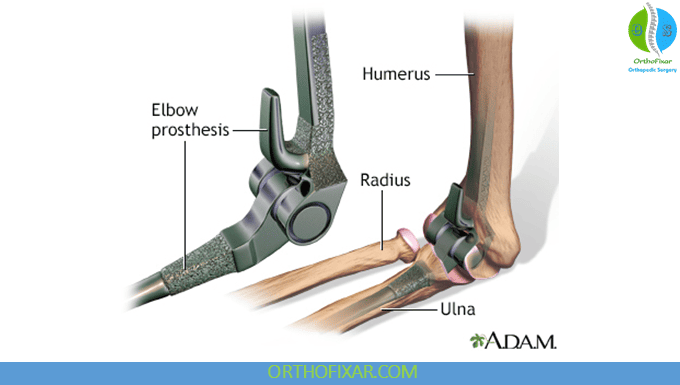
Elbow replacement, also called total elbow arthroplasty, is a procedure in which the surgeon removes worn-out bone and cartilage from the elbow joint and replaces them with metal and plastic parts. The goal is straightforward: eliminate arthritic pain and help you move your arm again with greater ease.
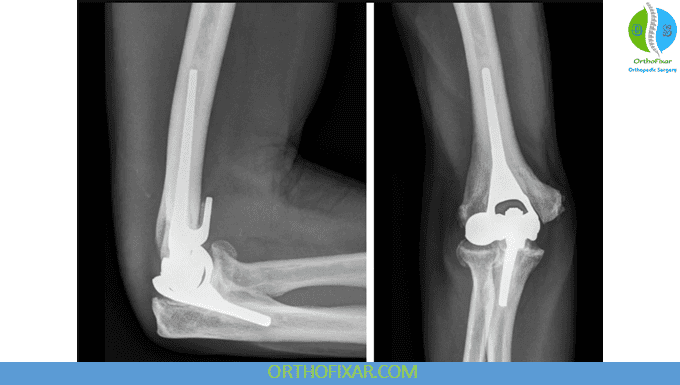
The implant typically consists of two stems that fit into the humerus in the upper arm and the ulna in the forearm. The stems are connected by a hinge that allows smooth bending and straightening. Some newer designs also permit a small amount of natural rotation, which makes the joint feel closer to your original elbow.
- Replaces damaged joint surfaces with durable artificial parts
- Designed to mimic the natural hinge-like movement of the elbow
- Generally considered only after nonsurgical treatments have failed
Who Is a Good Candidate for Elbow Replacement?
Not everyone with elbow pain needs surgery. Most people try physical therapy, anti-inflammatory medications, and steroid injections first. Only when these options stop controlling the pain does elbow replacement become a realistic choice.
Typical candidates include:
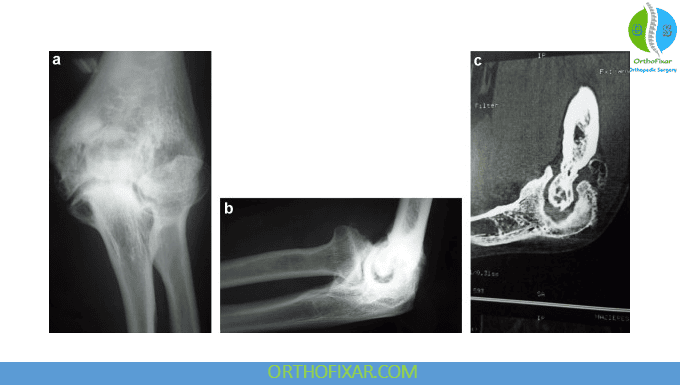
- People with advanced rheumatoid arthritis that has destroyed the elbow joint
- Patients with severe osteoarthritis and a grating bone-on-bone sensation
- Individuals with a complex elbow fracture that cannot be repaired with plates and screws
- Anyone whose elbow pain limits basic daily tasks like dressing, bathing, or cooking
For example, a woman in her late sixties with rheumatoid arthritis who cannot straighten her arm, sleep through the night, or lift a coffee pot may be an ideal candidate. In contrast, a younger and very active patient with mild arthritis would likely be advised to postpone surgery because the implant could loosen under heavy demand.
“The best candidates for elbow replacement have realistic expectations and understand that the surgery trades chronic pain for lifelong lifting restrictions.” — Orthopedic surgery team
How the Procedure Works
Elbow replacement is performed under general anesthesia or a regional nerve block that numbs the entire arm. The surgeon makes an incision along the back of the elbow, carefully moves the ulnar nerve out of the way, and removes the damaged bone ends. The remaining bone is then shaped to fit the implant.
The operation usually takes one to two hours. Most patients stay in the hospital for one to three days, depending on their overall health and how quickly they regain basic mobility.
- The incision runs along the back of the arm to protect major nerves
- Damaged bone and cartilage are removed with precision instruments
- The implant is fixed in place with surgical cement for immediate stability
- The ulnar nerve is monitored and protected throughout the entire procedure
Types of Implants
There are two main types of elbow replacement implants, and the choice depends on your bone quality, ligament condition, and activity level.
- Linked implants — the two parts are connected by a hinge, which offers greater stability and is often used when ligaments are weak or the bone is fractured.
- Unlinked implants — the parts remain separate but fit together naturally, which preserves more rotational movement but requires healthy ligaments and good bone stock.
| Implant Type | Stability | Rotation | Best For |
|---|---|---|---|
| Linked | Higher | Limited | Weak ligaments, complex fractures |
| Unlinked | Moderate | More natural | Healthy ligaments, minimal bone loss |
Recovery and Rehabilitation
Recovery from elbow replacement requires patience and consistency. Your arm will be placed in a splint or a hinged brace for the first few weeks to protect the new joint while the soft tissues heal. Swelling, stiffness, and some bruising are completely normal during this period.
- Keep the arm elevated above heart level to reduce swelling
- Apply ice packs around the elbow for 15 to 20 minutes several times a day
- Begin gentle motion exercises with a physical therapist within the first week
- Avoid lifting anything heavier than a cup of coffee for the first six weeks
Most people return to light daily activities within two to three months. Driving, cooking simple meals, and desk work usually come first. Heavier tasks such as lifting more than five kilograms or carrying a heavy suitcase are often permanently restricted to protect the implant.
Here is a typical example: a retired teacher can expect to dress herself, write by hand, and use a computer within six weeks. But she may never be able to lift a loaded grocery bag with the operated arm again, which is why learning one-arm techniques during therapy is so important.
“Successful recovery depends more on consistent therapy than on the surgery itself.” — Lead physical therapist
Risks and Complications
Elbow replacement carries a higher complication rate than hip or knee replacement. That sounds concerning, but with careful patient selection and proper surgical technique, most problems are treatable and rare.
- Infection — the most serious risk, which may require antibiotics or additional surgery
- Nerve injury — the ulnar nerve sits very close to the joint and can become irritated or damaged
- Implant loosening — more common over time, especially in younger and more active patients
- Fracture — the bone around the implant can crack during or after surgery
- Stiffness — some loss of the very last degrees of motion is expected even with excellent therapy
The risk of loosening increases with heavy lifting and high-impact activities. That is why surgeons typically delay elbow replacement until symptoms are truly severe and conservative care has been exhausted.
Tips for Long-Term Success
Your new elbow can last many years with the right care. The most important factor is avoiding heavy mechanical loads on the joint over time.
- Follow your surgeon’s lifting restrictions permanently, not just for the first year
- Perform gentle range-of-motion exercises regularly to prevent stiffness
- Maintain a healthy body weight to reduce stress on all joints
- Tell your dentist about your elbow implant before any dental procedure to help prevent bacterial spread
- Watch for warning signs such as warmth, redness, increasing pain, or a feeling that the elbow is unstable
Small daily choices make a meaningful difference. Use your non-operated arm to carry heavy bags, avoid contact sports, and steer clear of repetitive heavy arm work like hammering or pitching. A little caution now can save you from a complex revision surgery later.
Elbow replacement is a proven treatment for advanced joint damage, but it is not an easy decision. If your pain is severe, your sleep is disrupted, and everyday activities feel impossible, speak with an orthopedic surgeon about whether this procedure fits your situation. A well-performed elbow replacement can bring genuine relief and restore your independence — but only when you fully understand the procedure, commit to recovery, and respect the long-term precautions.
Frequently Asked Questions
How long does an elbow replacement last?
Most elbow replacements last ten to fifteen years or more. The actual lifespan depends on your age, activity level, and how carefully you follow lifting restrictions. Modern implant designs and improved surgical techniques continue to push these numbers higher.
Is elbow replacement surgery painful?
The surgery itself is painless because of anesthesia. After the procedure, you will experience significant pain for the first few days, but it is well controlled with prescribed medication. Most patients report that the chronic arthritis pain they had before surgery is gone once the initial surgical pain settles.
How long will I stay in the hospital?
Most patients stay one to three days