You finish brushing before bed, spit into the sink, and notice a faint pink streak swirling toward the drain. Most people rinse it away and forget about it by morning. That small moment, though, is often the first visible sign of a problem that touches up to 50% of the world’s population at some point in life. The frustrating part is that gum disease is, for the most part, preventable.
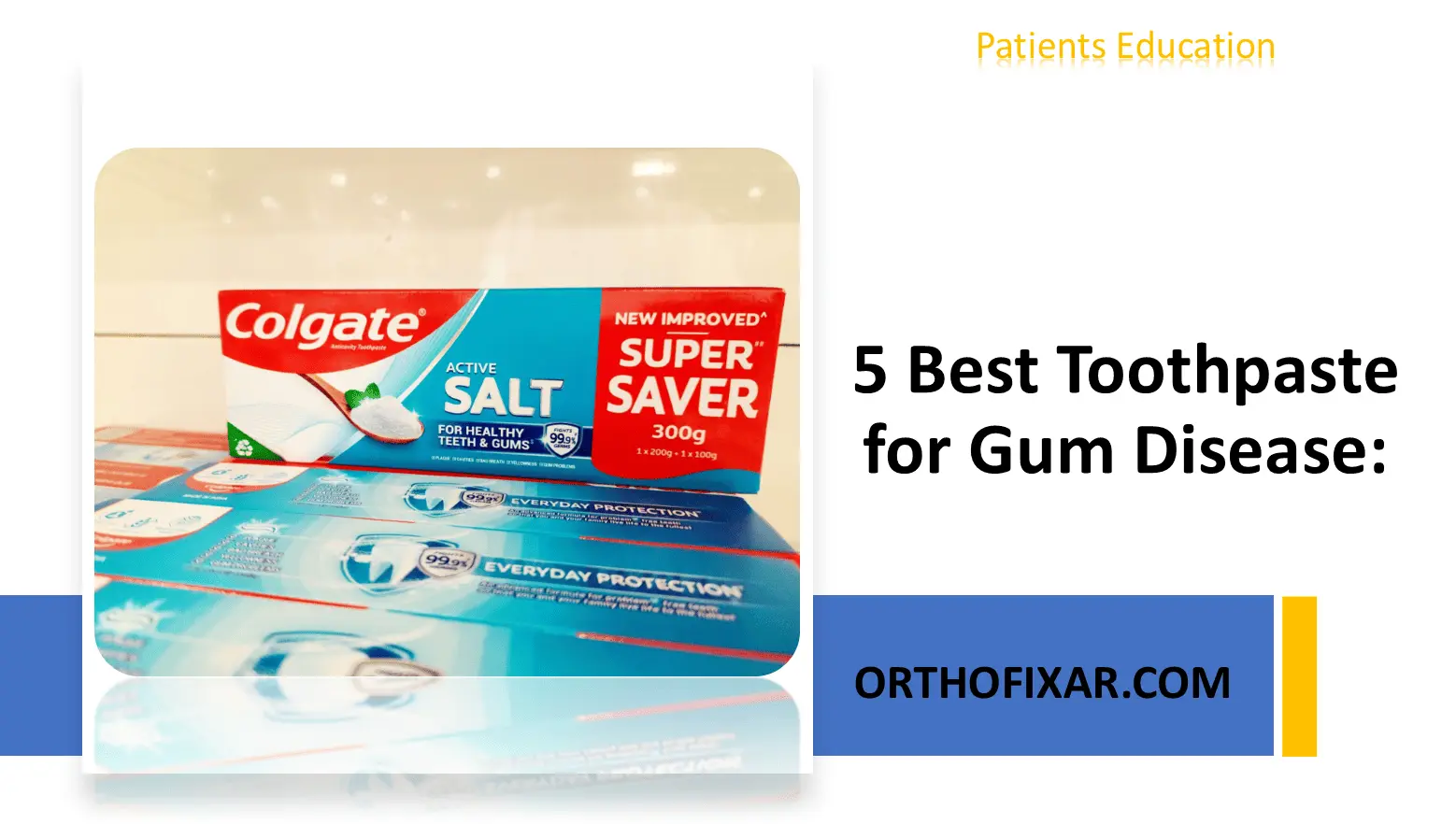
Your best protection is a reliable oral hygiene routine built around a toothpaste suited to the job. To help you find the best toothpaste for gum disease, this guide puts the leading options next to each other so you can compare what each one offers.
Key Takeaways
- Target plaque, the root cause: Because plaque drives gum disease, the toothpastes worth buying are those designed to combat it. Proven ingredients such as stannous fluoride or zinc citrate are a good sign, and the back of the tube will tell you whether irritants like SLS or harsh abrasives are in the mix.
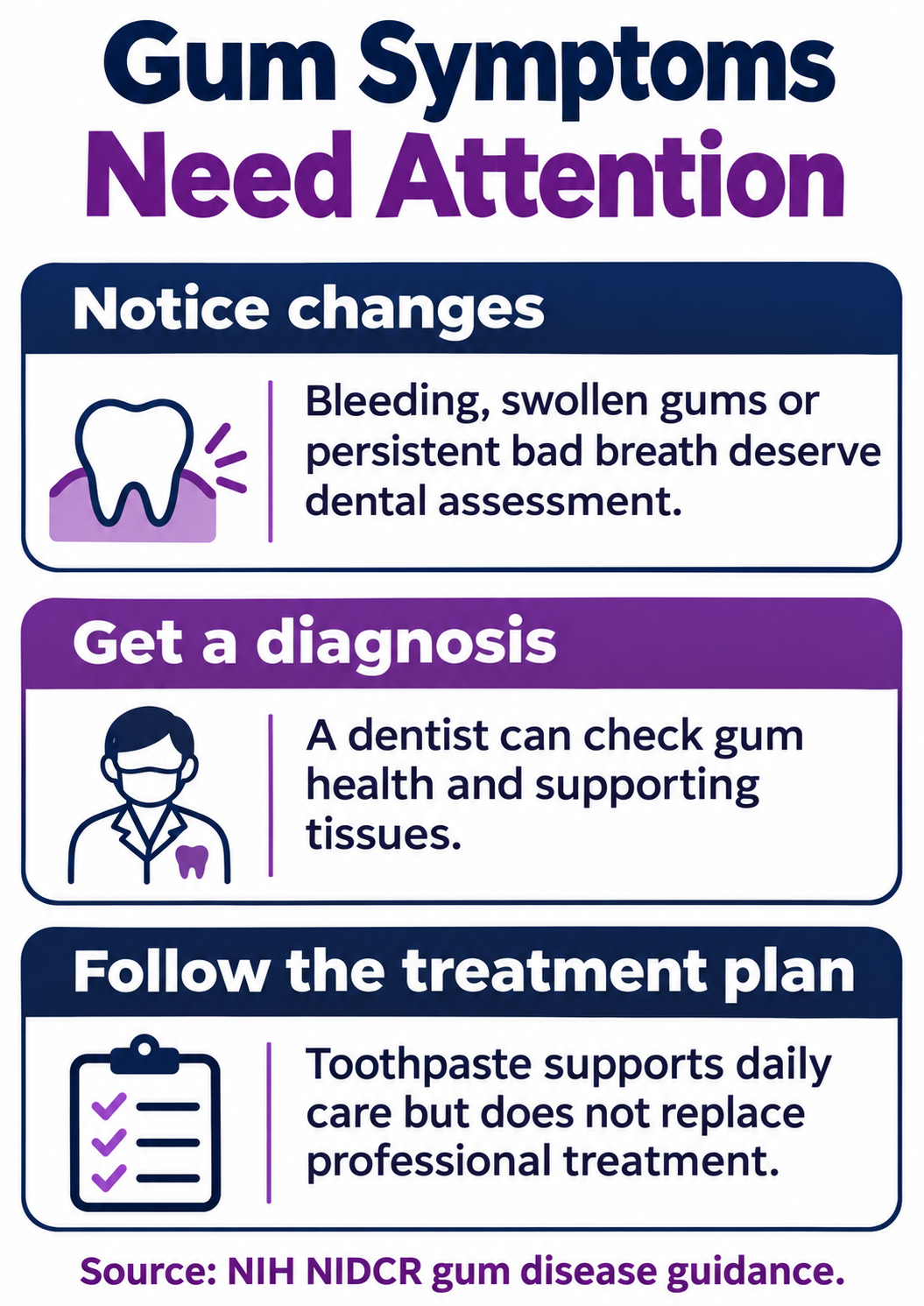
- Catch it early: Gum disease rarely announces itself loudly, even in its first stage, gingivitis, when it is often still reversible. Keep an eye out for red or puffy gums, bleeding when you brush or floss, and bad breath that lingers no matter what you try.
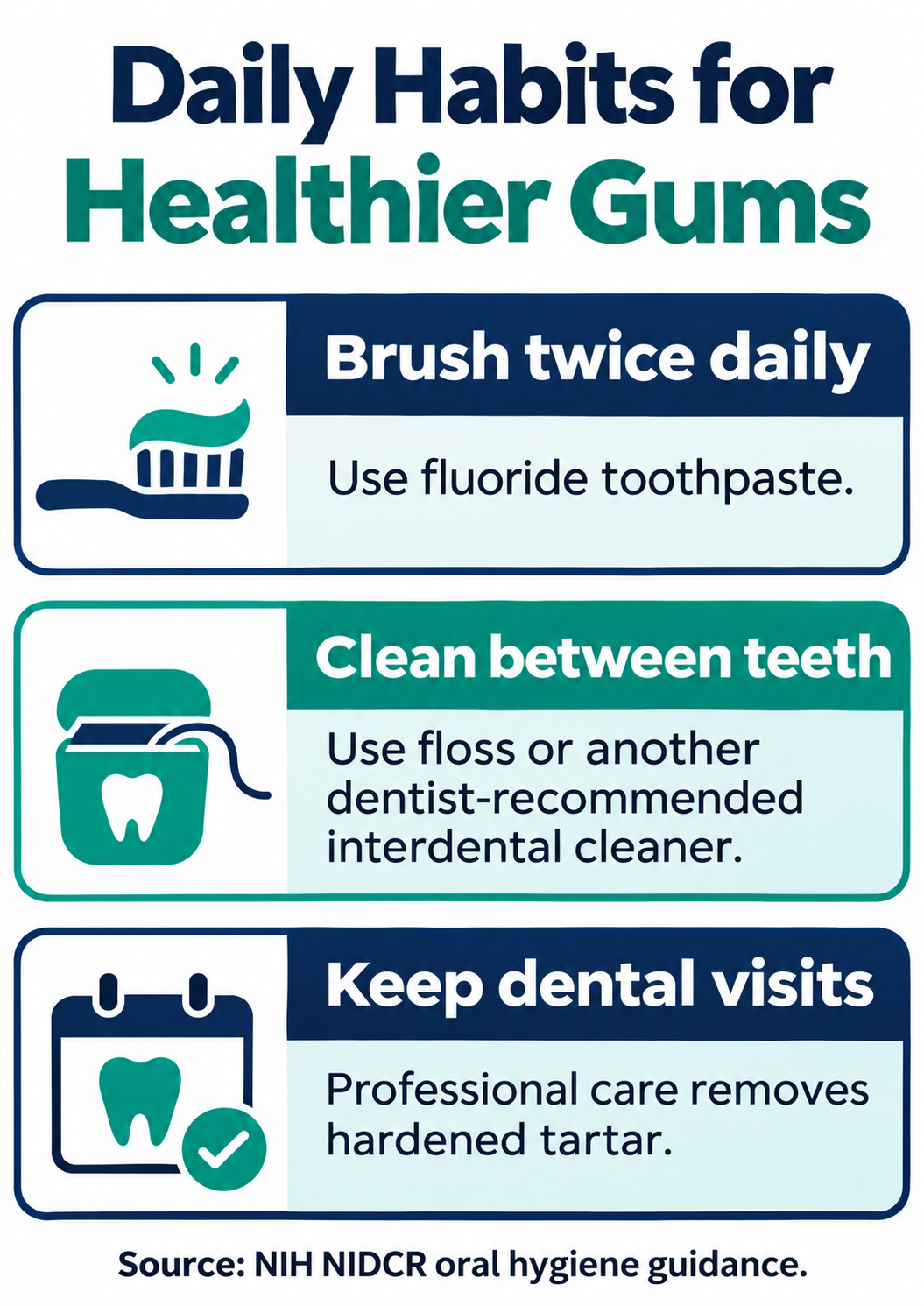
- Treat toothpaste as your frontline defense, not the full strategy: No paste can do every job on its own. Flossing daily, brushing gently with a soft-bristled brush, and seeing your dentist for regular checkups fill in the gaps, because once tartar has hardened, only a professional cleaning can get rid of it.
Comparing products makes more sense once you know what you’re up against, so let’s start with the condition itself and what toothpaste can reasonably accomplish.
What is Gum Disease?
Gum disease is a progressive infection, and plenty of people have it without knowing. It tends to develop silently at first, then can accelerate quickly when nobody intervenes.
The opening stage is gingivitis, marked by gum tissue that is inflamed and irritated. Without treatment, it moves on to periodontitis, in which the infection reaches deeper structures and begins to damage the bone and connective tissue holding your teeth in place.
That stealth is what makes it dangerous. A cavity usually gets noticed and fixed without much trouble, while gum problems can stay hidden until real harm has been done. Recognizing the early clues is your best advantage.
Signs and Symptoms
Because the earliest signs are so subtle, many people dismiss them:
- Bleeding when you brush or floss
- Gums that are red, puffy, or sore
- Persistent bad breath
- Teeth that still feel coated with a fuzzy film after you brush
Once the disease progresses further, more serious changes set in: gums can pull back from the teeth, teeth may become loose, and your bite might start to shift. At that stage, undoing the damage gets much harder, and you will likely require professional treatment, which often comes at a high cost.
Common Causes
Plaque, a sticky film of bacteria, is the chief culprit. If brushing twice a day doesn’t remove it, the plaque turns into hard tartar, and your body responds by becoming inflamed.
Certain habits make things worse, such as careless brushing, infrequent flossing, and delaying dental visits. Smoking, dry mouth, and hormonal changes also raise the risk, as do some health conditions like diabetes.
There is good news here: gum disease is both preventable and manageable, and when it is detected early enough, it can frequently be reversed. Choosing the right toothpaste is a sensible place to start, and that leads straight to an obvious question: how does a paste really help?
How the Best Gum Disease Toothpaste Can Help
No toothpaste formula, however good, will cure gum disease. Still, the paste you pick can make a noticeable difference in the way your gums react to the care you give them each day.
It all traces back to plaque. This layer of bacteria triggers inflammation, producing the bleeding, swelling, and slow tissue damage that so many people know well. A well-designed toothpaste can interrupt that chain.
Different formulas pursue the same goal in different ways. Some products use active ingredients to break up plaque chemically, making it easier to remove and harder to rebuild. Another approach centers on antibacterial action or on soothing tissue that’s already irritated. Whatever the method, the aim is to prevent buildup and keep gums healthy.
If you have gingivitis, choosing the right paste may reduce bleeding and, over time, bring your gums back to better condition. When the disease is more advanced, it acts as backup for the care your dentist provides. So what features set a strong gum disease toothpaste apart from the rest?
Key Ingredients in the Best Toothpaste for Gum Disease
The ingredient list matters far more than the marketing. Nearly every “gum health” toothpaste presents itself as the top choice, yet many only cover up symptoms. What you want is a formula that addresses the conditions causing gum damage to begin with.
Knowing which ingredients genuinely contribute will help you shortlist candidates quickly. The most relevant ones are below.
Activated Edathamil
Only LIVFRESH offers Activated Edathamil, a patented ingredient. It is designed to weaken the attachment between plaque and tooth enamel. The brand’s clinical research indicates that it makes plaque less likely to reattach, which should mean less inflammation and bleeding as time goes on.
Stannous Fluoride
Unlike ordinary fluoride, stannous fluoride also provides antibacterial activity, which helps keep plaque down and slows the progression of gum disease. Many drugstore toothpastes contain it. The main downside lies in what it’s paired with, because it often appears alongside ingredients that irritate sensitive mouths.
Zinc Citrate
Zinc citrate has been shown to reduce plaque buildup and support the healing of gums. It acts as a gentle antimicrobial, helping to keep oral bacteria under control.
Baking Soda (Sodium Bicarbonate)
You’ll find baking soda in natural pastes as well as in well-known brands. Its light abrasion scrubs away plaque while it neutralizes acids. It’s effective, but in large amounts or combined with other abrasives it can feel gritty, and those with sensitive mouths occasionally find it irritating.
Essential Oils (Menthol, Eucalyptol, Thymol, etc.)
Essential oils are more typical in therapeutic mouthwashes, though a few toothpastes include small amounts for their light antibacterial action. They may bring oral bacteria levels down a little, but they can’t substitute for ingredients that actively break up plaque.
Ingredients to Watch Out For
Some ingredients can actually set your gums back, so avoiding them matters as much as finding the helpful ones. Many show up regularly in major-brand formulas:
- SLS (Sodium Lauryl Sulfate): Soft tissues in the mouth may become irritated by this foaming agent, especially if they’re already inflamed or sensitive.
- Triclosan: Safety concerns have led to this antibacterial being phased out, even though it was once a staple in gum-focused pastes.
- Harsh Abrasives: They offer no benefit to your gums and may irritate them further.
A label that says “gum health” tells you very little. Before buying, turn the tube around and read through the ingredient list.
What is the Best Toothpaste for Gum Disease?
With the ingredients covered, here’s how five popular options stack up. We’ve ranked them from our top recommendation down so you can compare them directly.
1. LIVFRESH Gel Toothpaste
This gel earns first place because its patented formula is built on Activated Edathamil. The company states that it improves gum health by 190% and removes 250% more plaque compared with a leading ADA-accepted toothpaste.
Its approach differs from most standard pastes. Instead of scrubbing plaque away through abrasion, the active ingredient works to separate plaque from the tooth surface.
Although the formula is strong against plaque, it stays gentle enough to feel comfortable on sensitive teeth and gums. It contains no SLS, abrasives, triclosan, or artificial preservatives, and the brand says every ingredient is edible.
Rather than relying on foaming agents or numbing ingredients that merely produce a clean sensation, it targets the root causes of gum disease: plaque, tartar, and whatever triggers inflammation.
The brand reports that 26 peer-reviewed studies and over 40 patents back the formula. If your gums bleed, swell, or feel tender, it’s the most compelling choice in this comparison.
2. Parodontax Complete Protection Toothpaste
Many people with bleeding gums, a classic symptom of gum disease, turn to Parodontax as a familiar option. The brand claims that using it twice a day helps bring bleeding down within 12 weeks.
Stannous fluoride serves as its primary active ingredient and targets bacteria, while sodium bicarbonate adds a gentle scrubbing effect to loosen plaque on the surface. That abrasion cuts both ways, however, since some users find it aggravates their gums.
The formula further includes SLS, PEG compounds, and artificial flavorings, none of which is a good choice for gum tissue that’s already inflamed.
It’s a sensible drugstore option for controlling bleeding and plaque, but anyone with sensitivity should review the label before committing.
3. Colgate Total Plaque Pro Release Whitening Toothpaste
Colgate pairs stannous fluoride with its SmartFoam Technology in Total Plaque Pro Release, aiming to reach beneath the gumline and clear out plaque bacteria hiding there.
As an all-around toothpaste, it performs well, with genuine antibacterial benefits and clinical evidence showing reduced plaque between dental appointments. Still, it’s marketed for everyday use rather than as a dedicated treatment for people already fighting gum disease.
Sensitive users may not tolerate the SLS, artificial dyes, PEG-6, and other synthetic components found in the ingredient list. For gums that are already damaged or receding, the whitening agents and foaming additives could make the discomfort worse.
4. Sensodyne Complete Protection Sensitive Toothpaste
Although Sensodyne is famous mainly for relieving sensitivity, the brand also keeps plaque under control fairly well, which can help with preventing or managing gum disease.
Stannous fluoride is what its Complete Protection formula depends on to support the gums as well as the enamel. Beyond guarding sensitive areas, this version keeps breath fresh and provides mild protection against cavities. Still, since gum disease is not what the product mainly targets, its advantages there are fairly limited.
The formula wasn’t designed to dismantle biofilm or promote deeper gum healing. It also contains SLS, titanium dioxide, PEG-8, and artificial flavoring, ingredients some people with sensitive mouths would rather skip.
5. Oral-B Pro-Expert Clinic Line Gum Protection
Oral-B’s gum protection paste is another stannous fluoride formula, and it’s intended to cut down the plaque and tartar responsible for gum trouble.
According to the company, clinical evidence shows healthier gums within about 4 weeks, which is an encouraging timeline. Like most mainstream products, though, it follows a one-size-fits-all approach, so the results you see will hinge on how advanced your gum issues have become.
Among its ingredients are SLS, synthetic flavoring, and stabilizers that may feel harsh on actively inflamed gums. Publicly available information about the studies supporting the 4-week claim is also thin.
Overall, it is a reasonable option for slowing gum issues in their early stages, particularly if you are already a loyal Oral-B user.
More Tips on Dealing With Gum Disease
Toothpaste is just a single piece of the puzzle. Because several factors contribute to gum disease, handling it effectively means paying attention on multiple fronts. Between appointments, the following habits will help keep your gums protected:
- Keep flossing every day, even when it causes some bleeding. Floss reaches the plaque your brush can’t.
- Use a toothbrush with soft bristles, and don’t rush. Harder scrubbing will not leave your teeth any cleaner, though it will irritate your gums.
- If traditional floss is hard to stick with, try a water flosser or interdental brushes instead.
- Sugary and starchy snacks feed the bacteria that drive inflammation, so try to eat fewer of them.
- Keep your dental check-ups, particularly after a diagnosis of early gum disease. Professional cleanings clear tartar that brushing can’t reach.
- Stay away from tobacco, which restricts blood flow to the gums and slows healing.
- Review your medications, because some of them can dry out your mouth or worsen existing gum problems. Tell your dentist about any new symptoms you notice.
The paste you brush with acts as your first layer of protection, yet every other step in your routine matters every bit as much.
Closing Thoughts on the Best Gum Disease Toothpaste
Your comfort, confidence, and long-term health can all be worn down by gum disease. Choosing the right toothpaste can help soothe inflammation, keep plaque in check, and aid recovery, though only certain formulas offer more than surface-level relief.
Each product in this comparison has a place in a gum care routine. LIVFRESH earns our top recommendation thanks to its plaque-dissolving method and clean ingredient list, while the stannous fluoride pastes from Parodontax, Colgate, Sensodyne, and Oral-B remain easy-to-find alternatives.
Whatever you settle on, combine it with daily flossing and regular dental visits. If bleeding, swelling, or gum recession persists, bring it up with your dentist.