Front hip pain can turn simple movements into daily struggles. If you feel a deep ache in your groin or the front of your hip, iliopsoas bursitis might be the reason. This article explains what this condition is, why it happens, and which treatments can help you get back to moving comfortably.
What Is Iliopsoas Bursitis?
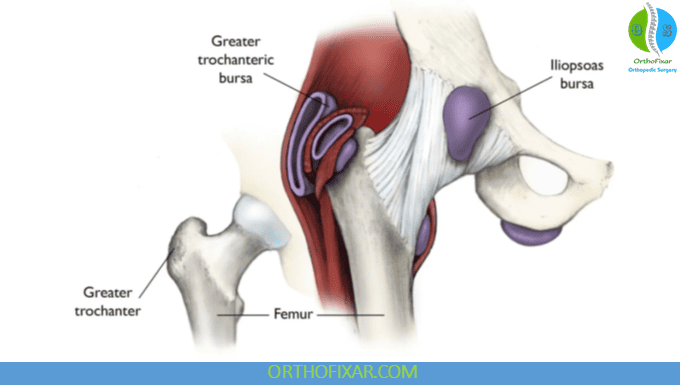
Iliopsoas bursitis is the inflammation of a small fluid-filled sac called the iliopsoas bursa. This bursa sits between the iliopsoas muscle and the front of your hip joint, and its job is to reduce friction when you move your leg.
When that sac becomes irritated, it fills with extra fluid and swells. This swelling causes pain in the front of the hip and groin, and sometimes a clicking or snapping sensation when you lift your knee or walk.
Key facts to know:
- The bursa acts as a cushion between tendon and bone
- Inflammation creates pain, swelling, and stiffness
- It is often confused with hip flexor strain because the symptoms overlap
Understanding the source of your hip pain is the first step toward lasting relief.
Common Causes of Front Hip Pain
Repeated motion is the most frequent cause of iliopsoas bursitis. Athletes and highly active people are especially at risk because their hips go through constant bending, extending, and rotating movements.
Runners, dancers, cyclists, and soccer players often develop this condition. But you do not need to be an athlete to get it.
Other common causes include:
- Sudden increases in training intensity or duration
- Prolonged sitting with tight hip flexors
- Direct injury or trauma to the hip area
- Leg length differences that change how you walk
- Arthritis or inflammatory conditions such as rheumatoid arthritis
- Prior hip surgery or joint replacement
Poor posture and weak gluteal muscles can also add strain to the front of the hip. Over time, this extra stress makes the bursa more likely to become inflamed.
Recognizing the Symptoms
Iliopsoas bursitis symptoms often begin gradually. You might notice a dull ache in the front of your hip after a long walk or a tough workout. This discomfort can grow worse over time if the irritation continues.
Common symptoms include:
- Deep pain in the front of the hip or groin
- Stiffness after sitting for a while
- Snapping, clicking, or popping sensation when moving
- Pain when rising from a chair or getting out of a car
- Tenderness when pressing on the hip area
- Weakness or limited range of motion in the affected leg
In some cases, the pain may radiate down the front of the thigh toward the knee. The exact location and intensity can vary from person to person, but the pattern is usually consistent for each individual.
How Is Iliopsoas Bursitis Diagnosed?
A healthcare provider will begin by reviewing your symptoms, activity level, and medical history. They will also perform a physical exam that includes moving your leg into different positions to reproduce the pain.
Imaging tests can help confirm the diagnosis and rule out other issues:
- Ultrasound: Shows fluid buildup and inflammation in the bursa
- MRI: Provides detailed images of soft tissues and can detect deeper inflammation
- X-ray: Helps rule out bone problems, arthritis, or fractures
Sometimes a doctor will compare both hips to check for alignment issues, such as a leg length difference. This extra step can uncover the root cause of the problem rather than just treating the symptom.
Treatment Options for Iliopsoas Bursitis
Most people recover with conservative treatment. The earlier you begin, the sooner you can expect relief. Treatment usually focuses on reducing inflammation, restoring mobility, and strengthening the muscles around the hip.
| Treatment | Goal | Typical Timeline |
|---|---|---|
| Rest and activity modification | Reduce irritation on the bursa | 1 to 2 weeks |
| Ice therapy | Decrease inflammation and numb pain | 15 minutes, several times daily |
| NSAIDs such as ibuprofen or naproxen | Relieve pain and control swelling | As directed by your doctor |
| Physical therapy | Strengthen hip and core muscles | 4 to 6 weeks |
| Corticosteroid injection | Calm severe inflammation quickly | 1 to 2 sessions if needed |
| Surgery | Remove or repair the inflamed bursa | Only if other treatments fail |
Recovery time depends on how consistent you are with your treatment plan. People who follow their program closely usually see better results in less time.
A structured approach to treatment beats a quick fix every time.
Stretches and Exercises for Recovery
Physical therapy is one of the most effective ways to treat iliopsoas bursitis. Targeted exercises stretch the hip flexors and strengthen the surrounding muscles, which removes pressure from the bursa so it can heal.
Helpful exercises to try:
- Knee-to-chest stretch for gentle hip flexor release
- Half-kneeling hip flexor stretch
- Bird dog exercise for core and hip stability
- Glute bridges to activate the posterior chain
- Clamshells with a resistance band
- Standing hip extensions
Start slowly and stop any movement that causes sharp pain. Mild discomfort during stretching is normal, but sharp pain is a sign to back off. Consistency matters more than intensity.
When to See a Doctor
Mild hip pain can often be managed at home with rest, ice, and over-the-counter pain relief. However, some symptoms require professional evaluation.
See a doctor if you experience:
- Pain that does not improve after two weeks of home care
- Sudden sharp pain or difficulty bearing weight on the leg
- Swelling, redness, or warmth around the hip joint
- Fever, which could indicate an infection
- Pain that wakes you up at night
Getting an early diagnosis makes treatment easier and reduces the risk of long-term complications. Ignoring persistent pain usually makes recovery take longer.
Preventing Iliopsoas Bursitis
Prevention is about keeping your hip flexors flexible and the muscles around your hips strong. Simple daily habits can go a long way.
Prevention tips:
- Warm up with dynamic movements before exercise
- Increase training distance and intensity gradually
- Take regular breaks if you sit for long periods
- Use proper form during exercise and lifting
- Include hip and glute strengthening exercises in your routine
- Talk to your doctor or physical therapist about any leg length differences
Learning to listen to your body is also important. If you feel a twinge in your hip during an activity, adjust or stop before the problem becomes worse.
Final Thoughts
Iliopsoas bursitis can be painful, but it is highly treatable. Understanding the causes and following a structured recovery plan will help you return to your normal activities with confidence. If your pain does not improve, consult a healthcare professional who can guide you toward the right treatment approach.
Iliopsoas Bursitis FAQ
How long does iliopsoas bursitis take to heal?
With rest and proper treatment, most people notice improvement within 2 to 4 weeks. More severe cases may take several months, especially if physical therapy is required to correct muscle imbalances.
Can iliopsoas bursitis go away on its own?
Mild cases can resolve on their own if you reduce the activities that caused the inflammation. However, if the underlying cause such as tight hip flexors or muscle weakness is not addressed, the condition is likely to return.
Is walking bad for iliopsoas bursitis?
Walking is not usually harmful, but walking long distances or on uneven surfaces can make pain worse. Pay attention to your symptoms and shorten your walks or slow your pace until the inflammation calms down.
What does iliopsoas bursitis feel like?
Most people describe it as a deep ache in the front of the hip or groin. Some also feel a snapping sensation when they raise their knee or rotate their leg, and the pain often worsens after sitting for a long time.
Are there long-term complications?
If left untreated, iliopsoas bursitis can lead to chronic pain, reduced mobility, or weakness in the hip flexor muscles. Early treatment helps prevent the condition from becoming a long-term issue.
Can I run with iliopsoas bursitis?
It is best to stop running temporarily while the bursa is inflamed. Once pain subsides, you can gradually return to running, but start with shorter distances and keep a proper warm-up routine.
What sleeping position is best for hip bursitis?
Sleeping on your back with a pillow under your knees can reduce pressure on the hip. If you sleep on your side, placing a pillow between your knees helps keep the hip aligned and decreases strain on the bursa.
Do corticosteroid injections help?
Corticosteroid injections can provide significant short-term relief by reducing inflammation directly at the site. They are most effective when combined with physical therapy and long-term lifestyle adjustments.
Can bursitis turn into arthritis?
No. Bursitis is inflammation of the bursa, not the joint itself. However, having arthritis in the hip can increase your risk of developing bursitis because the joint mechanics may place extra pressure on nearby structures.
How can I reduce my risk of recurrence?
Keep your hip flexors flexible, strengthen your hip and gluteal muscles, warm up properly before activity, and avoid sudden jumps in exercise intensity. These habits significantly reduce your chance of developing the condition again.