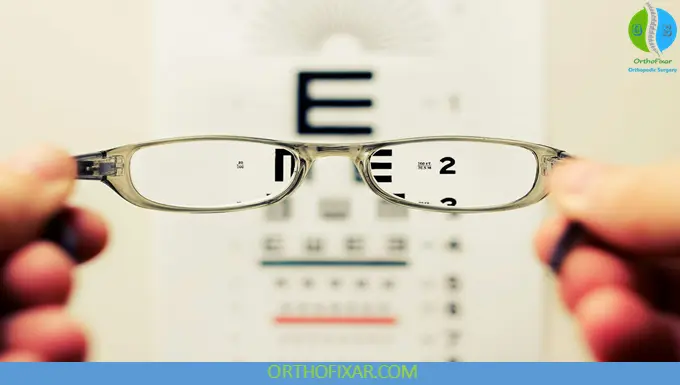
It’s not uncommon for a patient to stop suddenly while doing a shoulder screen or checking their gait, saying the walls seem to be blurring around the edges or that something on the chart seems fuzzy. Sometimes the issue appears mid-exercise, immediately after getting off a table for treatment, or halfway into a long session. This comment may go by unnoticed. However, based upon clinical judgment, it warrants a second glance.
refers to decreased acuity and/or distorted visual appearance and represents a symptom, not a diagnosis. Therefore, symptoms can result from either the eyes themselves or as secondary effects from numerous systemic (circulatory) problems, medications, fatigue states, and acute surges in physical and emotional arousal. While MSK/rehabilitation providers are infrequently responsible for diagnosing ocular pathology, they are uniquely positioned to recognize the patient’s complaint, ask some grounding questions regarding the condition, and assess if the complaint necessitates referral to another provider.
Identifying Signs Indicative of Neurological vs. Non-Neurological Factors Contributing to Symptoms
There are many times when the clinician recognizes clear signs indicating the reported symptoms were produced by a neurological event. Sudden loss of vision in one eye, new double vision, facial droop, slurred speech, or any combination of visual disturbances along with limb weakness would indicate possible stroke or TIA and should be referred to immediate emergency care.
Any previous history of migraine aura, trauma to the brain, and/or damage to the optic tracts could also potentially produce visual changes. After sustaining a head injury, patients frequently report multiple layers of impairments in attention, processing speed, and visual acuity simultaneously. As such, post-concussive complaints have been found to be most effectively assessed via structured follow-up appointments rather than simply providing reassurance.
Loss of peripheral fields of vision requires careful consideration. Many individuals who have experienced such losses will describe experiencing “blurriness,” although in fact the individual experiences actual impairment in performing activities requiring gross motor coordination, i.e., maintaining balance and accomplishing basic daily routines. When the patient uses general terms related to visual difficulties, it is helpful to clarify their intent.
Not All Reports Point Toward Neurologic/Ocular Pathways
Many times, increased arousal due to pain, intense exercise, and/or stressful clinic visits can temporarily increase respiration rate, blood pressure, and attentional resources, resulting in temporary decreases in perceived visual acuity. When a patient reports sudden blurry vision and dizziness mid-session, the clinician faces a layered decision that warrants a brief screen before assuming a benign cause. It is also within this context that patients will ask: does anxiety cause blurry vision? That question deserves a thoughtful response, not a dismissal.
It is reasonable to consider that there exists some evidence linking worry/concern about vision and reported visual dysfunction with each other. Anxiety regarding vision can create greater focus on the symptom, leading to further exacerbation of the anxiety. Naming the cycle of mutual influence typically helps reduce rather than enhance the symptom.
Frequent Contributors to Non-Neurological Impairment of Acuity
Each day presents various reasons why an individual’s vision may appear blurry in situations that are generally not hazardous. Commonly encountered sources of uncorrected refractive errors and dry eye contribute significantly to decreased acuity, particularly following prolonged use of screens. Floaters drifting across a person’s field of view and pulling focus are also common.
Decreases in blood pressure on rising quickly from a low plinth can temporarily decrease acuity for several seconds. Blood glucose fluctuations, dehydration, and initiation of certain medications can also impact visual acuity.
Additionally, specific positions and efforts during rehabilitation sessions can lead to transient blurring of vision. These types of causes are relatively common and generally self-limiting; however, they remain worth evaluating briefly prior to making assumptions.
Questions for Decision-Making Regarding Evaluation of the Complaint
Typically, asking a series of questions in a structured manner is sufficient to determine what steps need to be taken next. Some useful questions to ask include:
- How did your visual acuity change?
- Was the visual acuity change unilateral or bilateral?
- Is your visual acuity currently improving or worsening?
- What was happening at the exact same time as your visual acuity changed?
- Have you had any headaches?
- Are you experiencing any weakness?
- Do you feel any numbness?
- Are you having any trouble speaking?
- Do you have any chest pain?
- Do you feel dizzy?
- Has there been any head injury recently?
- Do you know of any existing eye conditions?
Documenting these observations will assist with determining whether further action is required.
Do Not Attempt to Diagnose Eye Disease
This process is designed to differentiate between situations that require immediate evaluation by specialists (e.g., ophthalmologists) and those that represent minor complaints that do not require intervention beyond documentation.
Indications for Referral/Evaluation
There are certain findings that would prompt referral/evaluation within hours. For example, sudden loss of visual acuity, painful vision, diplopia, and/or weakness or other neurological deficits with accompanying symptoms would all suggest emergent neurological consultation.
Similarly, any new-onset, persistent, or progressive blurring without an identifiable cause should prompt recommendation for an eye examination or PCP follow-up instead of watchful waiting.
Risk of Falls, Safety, and Functional Considerations
In addition to the medical implications of blurred vision, safety concerns during the session must also be considered. Individuals with impaired vision have a heightened risk of falls as well as an elevated level of fear regarding potential falls and reduced confidence in the performance of locomotor and mobility tasks.
If an individual reports blurred vision during attempts at balance training or stair climbing during a session, it would be reasonable to stop the activity, secure the area being used, and resume only when the visual disturbance resolves. Dismissing the possibility of an underlying medical cause while reassuring the patient may place them at undue risk for injury during the tasks being evaluated.
Balancing Two Possibilities
One of the most difficult situations occurs when there are plausible explanations for both sides. Increased levels of arousal and worry can genuinely shape an individual’s subjective experience of their vision, and there are legitimate medical reasons that can produce similar experiences.
Online forums abound with queries about anxiety and blurred vision, and there is valid reason to acknowledge this relationship while avoiding overemphasis on its role. Labeling a complaint as merely “nerves” creates a high degree of risk, as it can obscure a treatable ocular pathology and/or an early indication of a neurological disorder. Additionally, labeling a complaint as merely “nerves” may leave an anxious patient with unresolved concern.
An alternative approach considers multiple avenues simultaneously. Validate that stress and arousal can affect perceptual processes. However, continue screening for indicators suggesting medical conditions requiring evaluation and refer when applicable. Visual acuity affects mood, independence, and functional abilities for many individuals; therefore, treating each complaint about transient visual disturbances seriously is seldom unnecessary, regardless of the final determination being benign.
For Clinicians Outside the Fields of Ophthalmology and Neurology
The goal is not definitive diagnosis. Safe triage is paramount. Identify the complaint, gather additional information through questioning that may clarify the next step, provide support throughout the session to prevent injury or harm, and facilitate connection to follow-up care when necessary.
This sequence acknowledges both the medical possibilities presented by the complaint and the individual presenting it, helping ensure that a casual observation about “the chart being fuzzy” does not become a missed opportunity for appropriate evaluation.
Safety Disclaimer
If you or someone you love is in crisis, call 911 or go to the nearest emergency room. You can also call or text 988, or chat via 988lifeline.org to reach the Suicide & Crisis Lifeline. Support is free, confidential, and available 24/7.
References & More
- Jennie Ponsford. (2023). INCOG 2.0 Guidelines for Cognitive Rehabilitation Following Traumatic Brain Injury, Part II: Attention and Information Processing Speed. The Journal of head trauma rehabilitation. https://doi.org/10.1097/HTR.0000000000000839
- Lilia T Popova. (2023). Positive feedback loop between vision-related anxiety and self-reported visual difficulty. Ophthalmic genetics. https://doi.org/10.1080/13816810.2023.2208211
- Avital Lily Okrent Smolar. (2023). Peripheral visual field loss and activities of daily living. Current opinion in neurology. https://doi.org/10.1097/WCO.0000000000001125
- Ursula E White. (2015). Fear of falling in vision impairment. Optometry and vision science : official publication of the American Academy of Optometry. https://doi.org/10.1097/OPX.0000000000000596