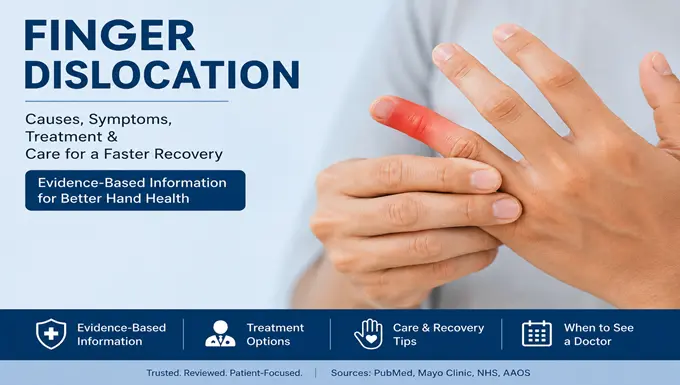
A finger dislocation occurs when the bones in a finger are forced out of their normal position, often due to trauma or sudden impact. Fingers are highly susceptible because they are small and frequently used in everyday activities. Among the fingers, the little finger and thumb are particularly prone to dislocations.
Common Causes
- Sports injuries (basketball, football, or volleyball)
- Falls or accidents
- Direct trauma to the hand
Symptoms of a Dislocated Finger
- Visible deformity or misalignment
- Severe pain at the joint
- Swelling and bruising
- Difficulty moving the finger
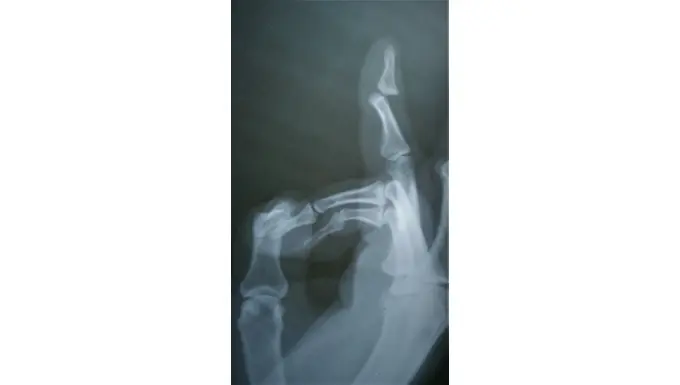
Dislocated Little Finger
A dislocated little finger often happens when the finger is bent backward or jammed. It may appear crooked or out of place. Prompt evaluation is crucial to prevent long-term joint issues or stiffness.
Treatment:
- Immediate Care: Apply ice and elevate the hand to reduce swelling.
- Medical Attention: Avoid trying to relocate the finger yourself. A healthcare professional will perform a controlled reduction (realignment of the joint).
- Immobilization: A splint or buddy tape may be used for several weeks to stabilize the finger.
- Follow-Up: Physical therapy exercises can help restore range of motion and strength.
Dislocated Thumb Treatment
The thumb is vital for hand function. Dislocations often involve the metacarpophalangeal (MCP) joint, and treatment focuses on restoring proper alignment while maintaining mobility.
Steps for Dislocated Thumb Treatment:
- Prompt medical assessment and X-ray confirmation
- Controlled reduction under local anesthesia if necessary
- Splinting or immobilization for 2–4 weeks
- Gradual exercises to regain motion and grip strength
Care for a Dislocated Finger
Proper care is essential to ensure full recovery and prevent complications such as chronic pain or reduced mobility.
Key Care Tips:
- Follow your healthcare provider’s instructions on splinting and immobilization
- Apply ice intermittently for the first 24–48 hours to control swelling
- Elevate the hand to reduce pain and inflammation
- Avoid heavy lifting or strenuous activity until cleared by your doctor
- Perform gentle rehabilitation exercises once the splint is removed
When to Seek Immediate Medical Help
Seek urgent care if you notice:
- Severe deformity or bone protrusion
- Numbness or tingling in the finger
- Persistent swelling or inability to move the finger
Conclusion
A finger dislocation is a common but treatable injury. Whether it’s a dislocated little finger or a thumb, early treatment, proper care, and rehabilitation are essential for full recovery. If you suspect a finger dislocation, avoid self-treatment and consult a healthcare professional promptly.
References & More
- Beutel BG, Wang J, Taqi M. Finger Dislocation. [Updated 2025 Jun 2]. In: StatPearls [Internet]. Treasure Island (FL): StatPearls Publishing; 2026 Jan-. Available from: https://www.ncbi.nlm.nih.gov/books/NBK551508/