The Supination Lift Test is a special test designed to evaluate the integrity of the triangular fibrocartilage complex (TFCC), also known as the triangular cartilaginous disc. This test serves as a valuable diagnostic tool for identifying dorsal TFCC tears, which are common causes of ulnar-sided wrist pain.
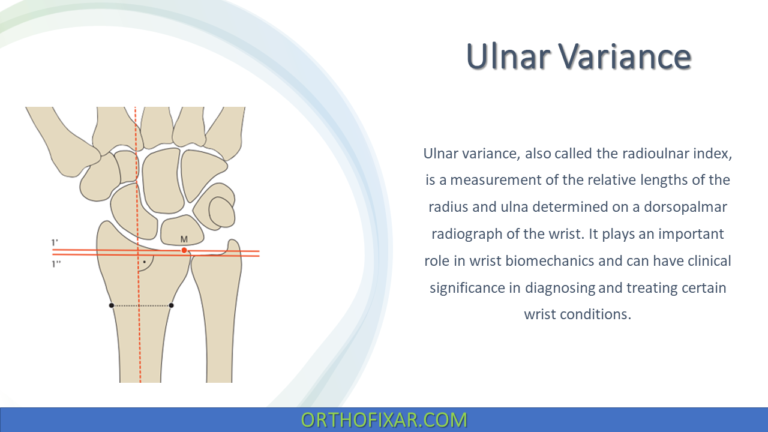
The TFCC is a crucial structure located on the ulnar aspect of the wrist, consisting of fibrocartilaginous tissue that stabilizes the distal radioulnar joint and provides load transmission from the carpus to the ulna. Tears in this complex can result from acute trauma or degenerative changes, leading to significant functional impairment and pain.
See Also: Wrist Pain Causes
How to Perform the Supination Lift Test?
With the patient seated comfortably, the elbows are flexed to 90 degrees and forearms are positioned in full supination. Palms are placed flat against the underside of a heavy table or against the examiner’s hands.
The patient is instructed to attempt to lift the table upward or push against the examiner’s downward resistance. The clinician observes for pain localization and assesses the patient’s ability to generate force during this maneuver.

What does a Positive Supination Lift Test?
A positive Supination Lift Test is characterized by:
Primary Signs:
- Localized pain on the ulnar side of the wrist during force application
- Difficulty or inability to apply lifting force effectively
- Pain reproduction that matches the patient’s presenting complaint
Associated Findings:
- Pain with forced ulnar deviation, which creates ulnar impaction
- Symptoms consistent with TFCC pathology
See Also: Triangular Fibrocartilage Complex Tear
Clinical Significance
The Supination Lift Test diagnostic value lies in its ability to stress the TFCC specifically through the combination of supination and axial loading. When the TFCC is torn, particularly on the dorsal aspect, this positioning and loading pattern reproduces the patient’s symptoms by placing mechanical stress on the damaged tissue.
Clinicians should consider that ulnar-sided wrist pain can have multiple etiologies. The Supination Lift Test should be interpreted in conjunction with other clinical findings, patient history, and additional diagnostic tests. The presence of pain with ulnar deviation causing ulnar impaction further supports the diagnosis of TFCC pathology.
Clinical Applications
The Supination Lift Test test is particularly useful in:
- Evaluating athletes with ulnar-sided wrist pain
- Assessing patients with suspected TFCC tears following trauma
- Monitoring treatment response in known TFCC pathology
- Differentiating TFCC tears from other causes of ulnar wrist pain
References & More
- Buterbaugh GA, Brown TR, Horn PC. Ulnar-sided wrist pain in athletes. Clin Sports Med. 1998;17:567–583. PubMed
- Orthopedic Physical Assessment by David J. Magee, 7th Edition.