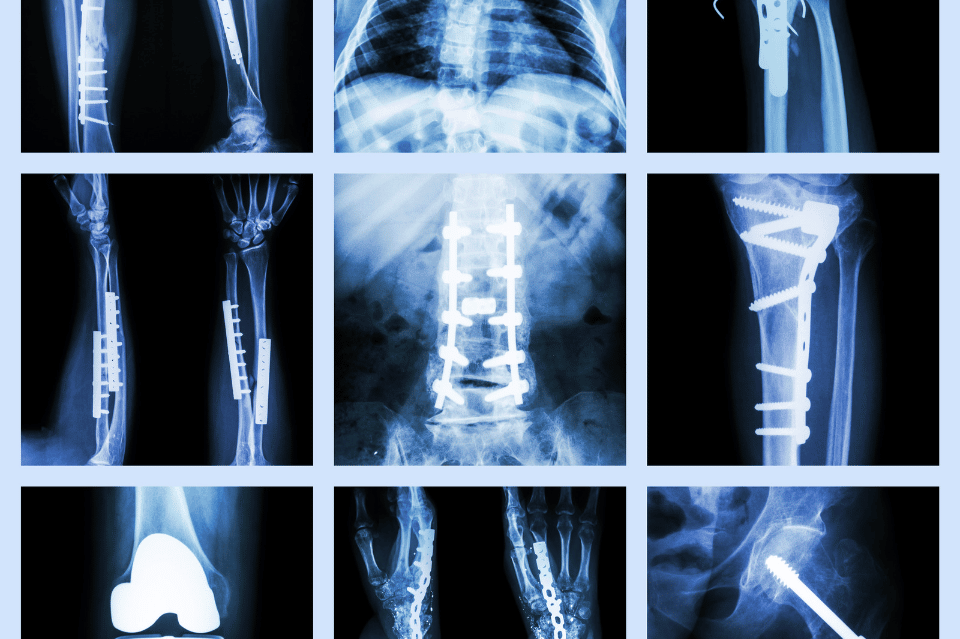
Orthopedic surgery is the branch of medicine concerned with diagnosing, treating, and rehabilitating conditions of the musculoskeletal system, including bones, joints, ligaments, tendons, muscles, and nerves. For physical therapy students, orthopedic surgery is not optional background knowledge. Surgical details directly shape how you assess, treat, and communicate about post-surgical patients, and that understanding begins with the procedures themselves.
Why Orthopedic Surgery Matters to Physical Therapy Students
Post-operative patients appear on nearly every clinical rotation. Whether you are managing a total knee replacement in acute care or an ACL reconstruction in an outpatient sports clinic, the surgical details change the plan of care.
Knowing the procedure tells you which tissues were cut, which structures were repaired, and which healing constraints apply. That knowledge keeps you from progressing a patient too aggressively or holding them back unnecessarily.
Surgeons and physical therapists are partners in recovery. When you understand surgical approaches, you can anticipate post-operative precautions, recognize complications early, and communicate with the surgical team using shared language.
- Identify healing timelines for specific tissues: bone, tendon, ligament, and capsule.
- Apply surgeon-specific protocols accurately rather than guessing.
- Recognize red flags such as infection, deep vein thrombosis, or hardware failure.
- Document and report findings that influence surgical decision-making.
Common Orthopedic Surgeries You Will Encounter
Orthopedic procedures range from minimally invasive arthroscopy to complex joint replacement. The table below summarizes the most common surgeries and their typical rehabilitation focus.
| Surgery | Typical Indication | Key Rehab Focus |
|---|---|---|
| Total knee arthroplasty (TKA) | End-stage osteoarthritis, severe joint deformity | Range of motion, quadriceps activation, gait retraining |
| Total hip arthroplasty (THA) | Osteoarthritis, femoral neck fracture | Hip precautions, abductor strengthening, functional mobility |
| ACL reconstruction | Anterior cruciate ligament tear | Progressive loading, neuromuscular control, return-to-sport testing |
| Rotator cuff repair | Full-thickness tendon tear | Protected passive motion, gradual active and strengthening phases |
| Lumbar discectomy or fusion | Herniated disc, instability, stenosis | Core stabilization, lifting mechanics, activity progression |
| ORIF (open reduction internal fixation) | Fractures of long bones or joints | Weight-bearing progression, edema control, joint mobility |
How Surgical Approach Influences Rehabilitation
Two patients with the same diagnosis can follow entirely different rehabilitation trajectories because of surgical technique. A minimally invasive approach may allow faster mobilization, while an open procedure may require longer tissue protection.
Consider total hip arthroplasty. A posterior approach typically involves posterior hip precautions to reduce dislocation risk, whereas an anterior approach may not. Your protocol must match the surgeon’s actual technique, not a generic handout.
Questions to Ask Before Designing a Plan of Care
- What surgical approach was used, and which structures were cut or repaired?
- Are there weight-bearing restrictions, and for how long?
- What range-of-motion limits apply, and in which directions?
- What is the expected timeline for each rehabilitation phase?
- Are there specific precautions related to hardware, grafts, or bone quality?
Rehabilitation Phases After Orthopedic Surgery
Most orthopedic rehabilitation follows predictable phases, though timelines vary by procedure, patient, and surgeon preference. Understanding these phases helps you sequence interventions safely.
Protective Phase
The early phase prioritizes tissue protection, edema control, and safe mobility. Focus on wound care awareness, positioning, and gentle range of motion within surgical limits.
Pain and swelling management matter here. Cryotherapy, elevation, and appropriate compression support tissue healing, and early mobilization reduces the risk of complications such as deep vein thrombosis.
Controlled Motion and Early Strengthening
As healing progresses, introduce active motion and submaximal strengthening. The goal is to restore mobility without overloading healing tissue.
After a rotator cuff repair, this might mean progressing from passive to active-assisted motion while avoiding resisted loading. After a total knee replacement, it means pursuing functional range of motion while building quadriceps control.
Progressive Loading and Functional Training
Once tissue tolerance allows, increase load, add functional activities, and address movement quality. Patients often feel the most progress in this phase, but it is also where overconfidence can lead to setbacks.
- Progress resistance gradually based on tissue response.
- Introduce sport- or job-specific movements when appropriate.
- Monitor for increased swelling, pain, or loss of motion after sessions.
- Use objective measures to guide progression rather than time alone.
Post-Operative Precautions and Red Flags
Every orthopedic surgery carries specific precautions, and missing them can cause serious harm. Posterior hip precautions, weight-bearing limits after fracture fixation, and graft protection after ligament reconstruction are common examples.
Red flags require immediate communication with the surgical team. These include signs of infection, sudden swelling, calf pain, unexplained fever, wound drainage, or a sudden loss of function.
Clinical experience teaches that the most dangerous moments are often when patients feel best and push too hard. Vigilance during the “feels great” phase protects the surgical result.
- Signs of infection: redness, warmth, drainage, fever.
- Signs of DVT: unilateral calf swelling, tenderness, warmth.
- Signs of hardware issues: sudden pain, instability, deformity.
- Signs of nerve compromise: numbness, tingling, weakness.
Outcome Measures and Clinical Reasoning
Objective data drives good decisions. Standardized outcome measures help you track progress, justify interventions, and communicate with surgeons.
Common tools include the Knee Injury and Osteoarthritis Outcome Score (KOOS), the Disabilities of the Arm, Shoulder and Hand (DASH) questionnaire, and the Lower Extremity Functional Scale (LEFS). Goniometry, manual muscle testing, and gait analysis round out the assessment.
Using Data to Guide Progression
- Compare current measures to baseline and to expected norms.
- Use functional tests such as the single-leg hop or timed up-and-go when appropriate.
- Document trends, not just single data points.
- Adjust load and activity based on objective response.
Communicating with Surgeons and the Care Team
Effective communication multiplies your clinical impact. Surgeons rely on therapists to report functional progress, complications, and barriers to recovery.
Be specific in your reports. Instead of saying “patient is doing well,” state “knee flexion improved from 90 to 115 degrees, quadriceps strength 4/5, ambulating without an assistive device, mild swelling after sessions.”
- Report objective changes clearly and concisely.
- Flag concerns early rather than waiting for scheduled follow-ups.
- Ask about protocol updates when uncertain.
- Confirm weight-bearing and range-of-motion orders in writing when possible.
Educational Resources and Professional Standards
Staying current is part of professional responsibility. The American Physical Therapy Association provides clinical practice guidelines, and the American Academy of Orthopaedic Surgeons publishes procedure-specific information that helps you understand the surgical side.
Academic institutions also offer structured learning. If you are exploring formal education pathways, review the APTA membership and student resources to understand professional development options.
Practical Tips for Students Entering Clinical Rotations
A first orthopedic rotation can feel overwhelming. Preparation makes the difference between surviving and thriving.
- Read the surgical protocol before meeting each post-operative patient.
- Carry a small reference card for common precautions.
- Ask your clinical instructor to explain unfamiliar procedures.
- Observe wound care and dressing changes when permitted.
- Keep a log of surgeries you encounter and their rehab implications.
Conclusion
Orthopedic surgery and physical therapy are deeply connected. Understanding procedures, precautions, healing timelines, and communication pathways makes you a safer and more effective clinician from day one. Match your interventions to the specific surgical approach, track objective outcomes, and flag concerns early. That combination of knowledge and vigilance separates good rehabilitation from great rehabilitation.
Frequently Asked Questions
Do physical therapy students need to know surgical details?
Yes. Surgical details determine precautions, weight-bearing status, and progression timelines. Without that knowledge, you risk harming patients or delaying their recovery.
How soon does physical therapy start after orthopedic surgery?
Timing varies by procedure and setting. Many joint replacement patients begin mobilization within a day, while ligament repairs may start with protected motion soon after surgery. Always follow the surgeon’s protocol.
What is the difference between a protocol and clinical judgment?
A protocol provides a framework based on expected healing and surgeon preference. Clinical judgment adapts that framework to the individual patient’s response, goals, and circumstances.
Can physical therapists change weight-bearing orders?
No. Weight-bearing status is a medical order set by the surgeon. If you believe it should change, communicate with the surgical team rather than adjusting it yourself.
What outcome measures are most useful after joint replacement?
Tools such as the KOOS for knees and the Harris Hip Score for hips are commonly used. Range of motion, strength, and functional mobility tests provide complementary data.
How do I recognize a post-operative complication?
Watch for signs of infection, deep vein thrombosis, nerve compromise, or hardware failure. Compare the affected side to the uninvolved side and report changes promptly.
Are all orthopedic surgeries followed by formal physical therapy?
Most are, but not all. Some minor procedures may require only a home exercise program. The surgeon’s referral and the patient’s needs determine the level of therapy required.
What should students do if they are unsure about a protocol?
Ask. Clarify with your clinical instructor or the surgical team. Guessing is never acceptable when patient safety is involved.
How long does rehabilitation typically last after major orthopedic surgery?
It depends on the procedure and the patient. Minor arthroscopic procedures may need weeks, while joint replacements and ligament reconstructions often require months of progressive rehabilitation.
Where can students find reliable orthopedic surgery information?
Use official professional organizations such as the American Academy of Orthopaedic Surgeons and the American Physical Therapy Association for evidence-based resources and clinical guidelines.